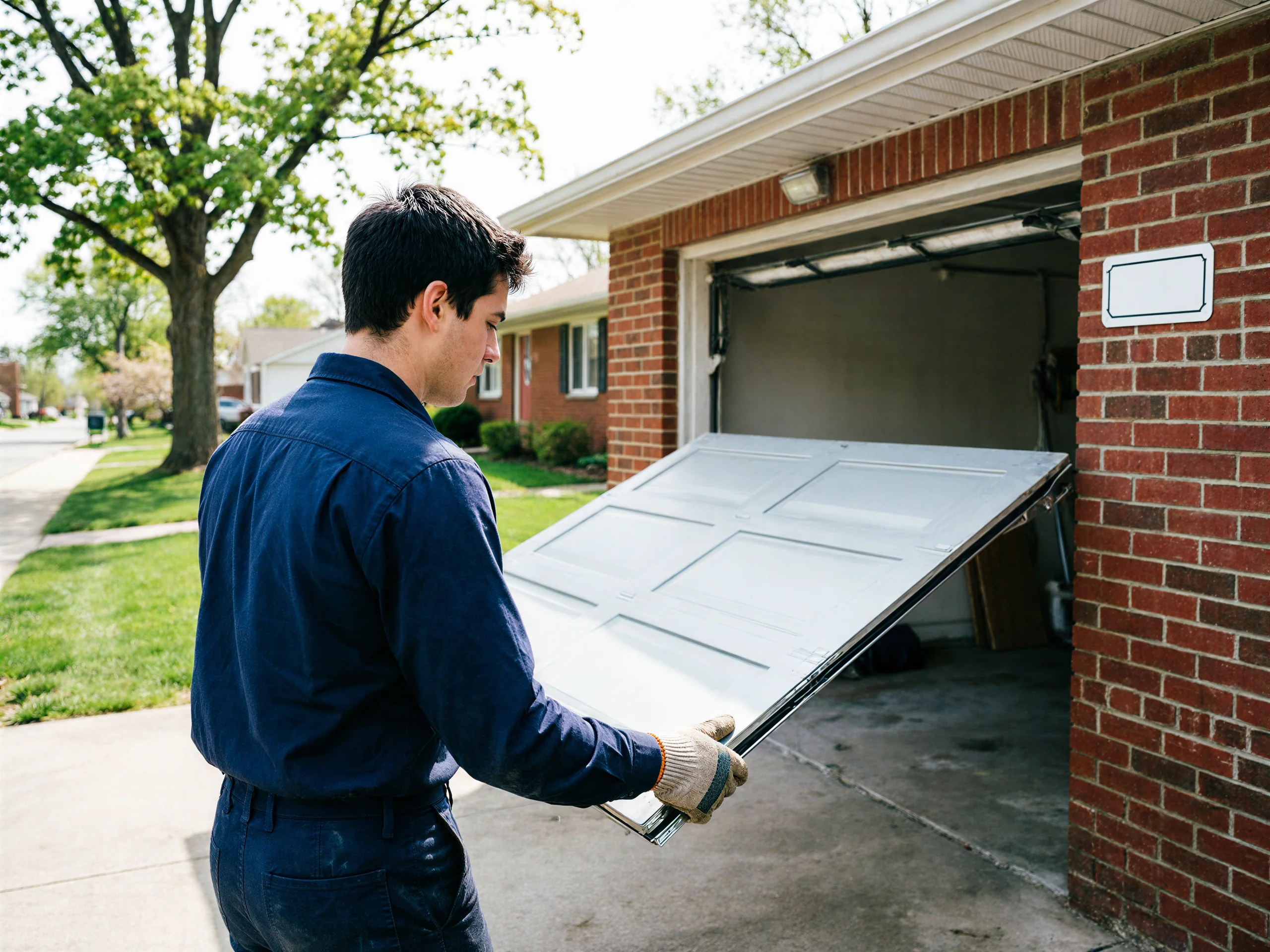
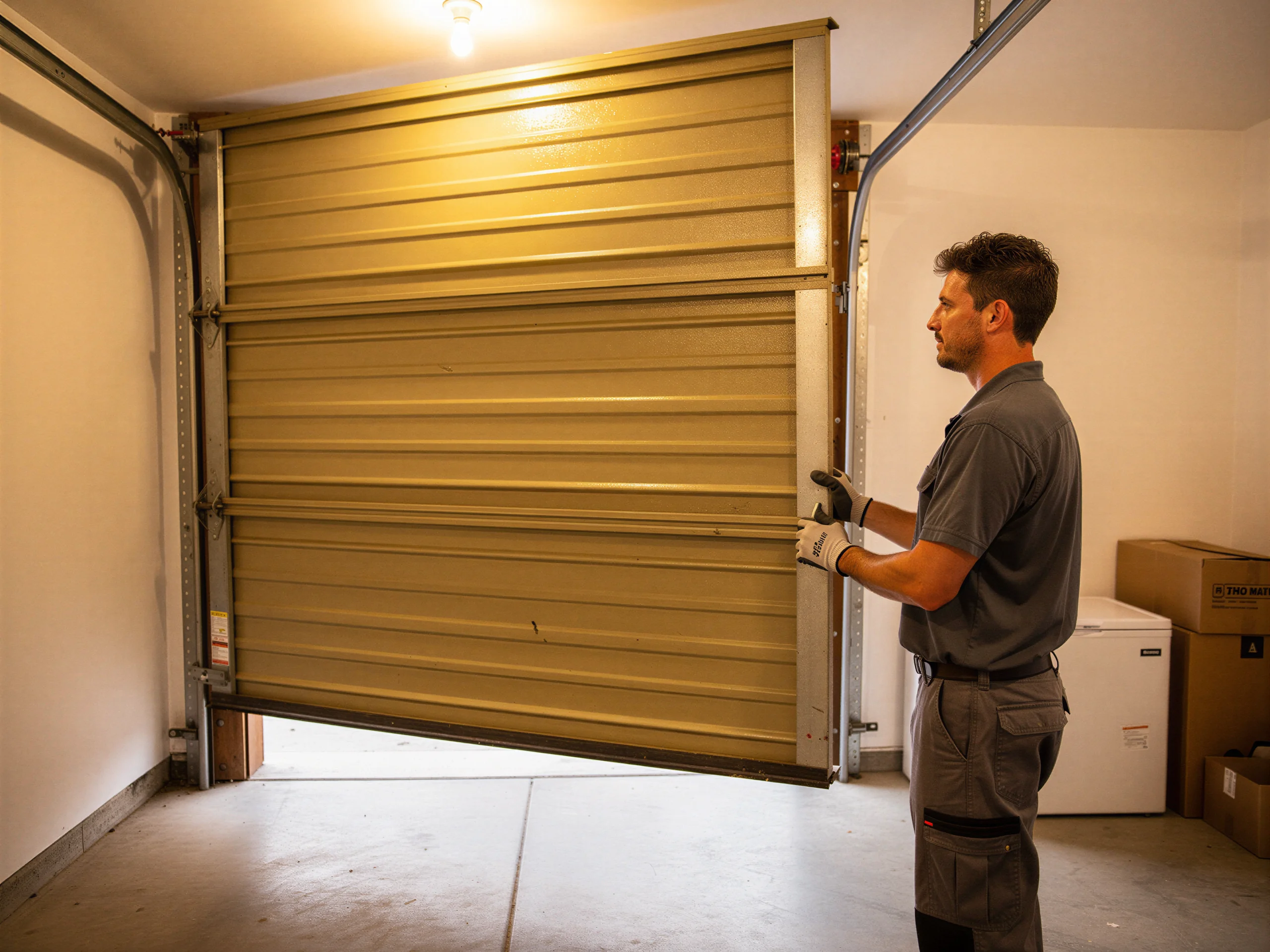
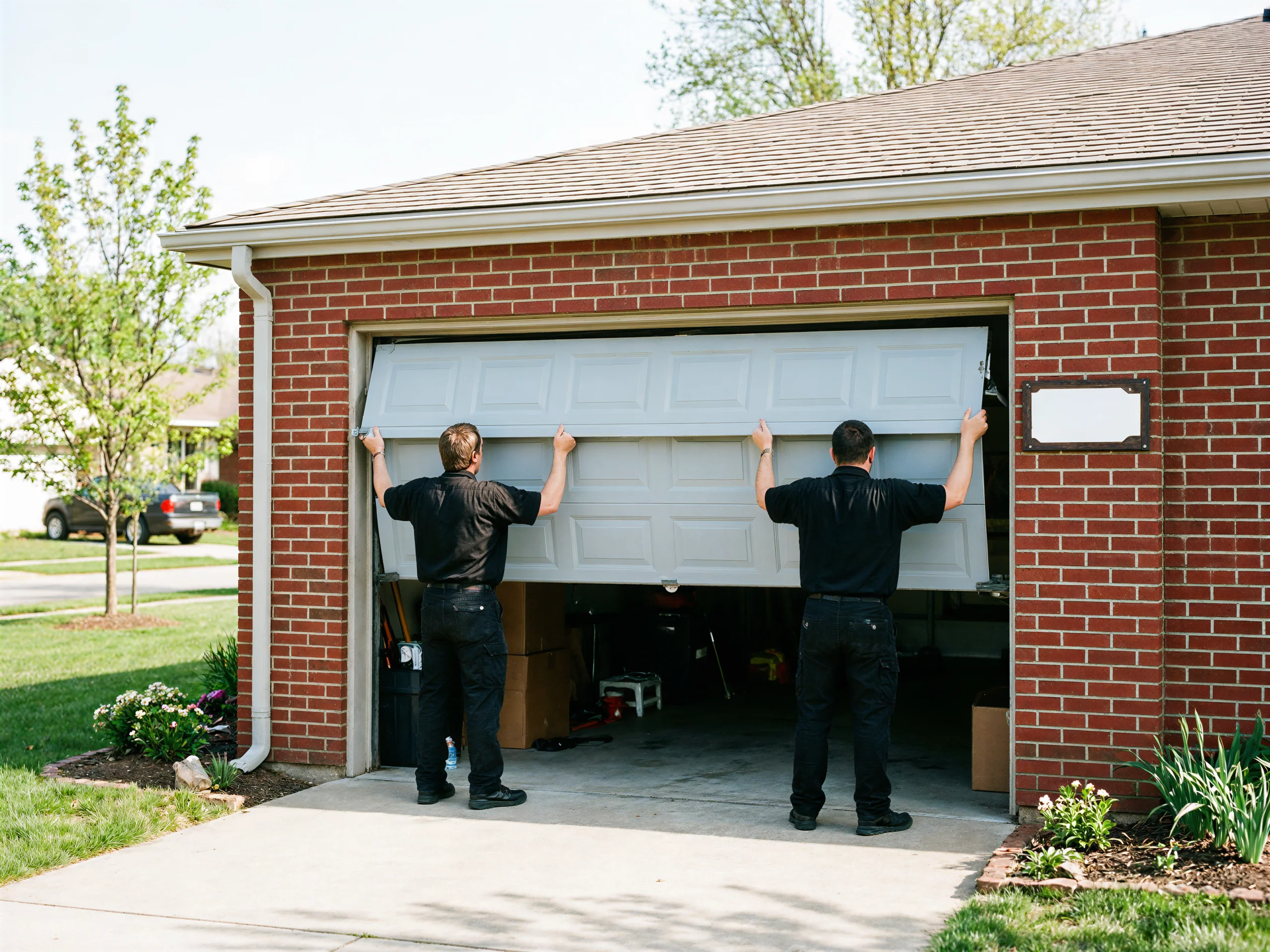
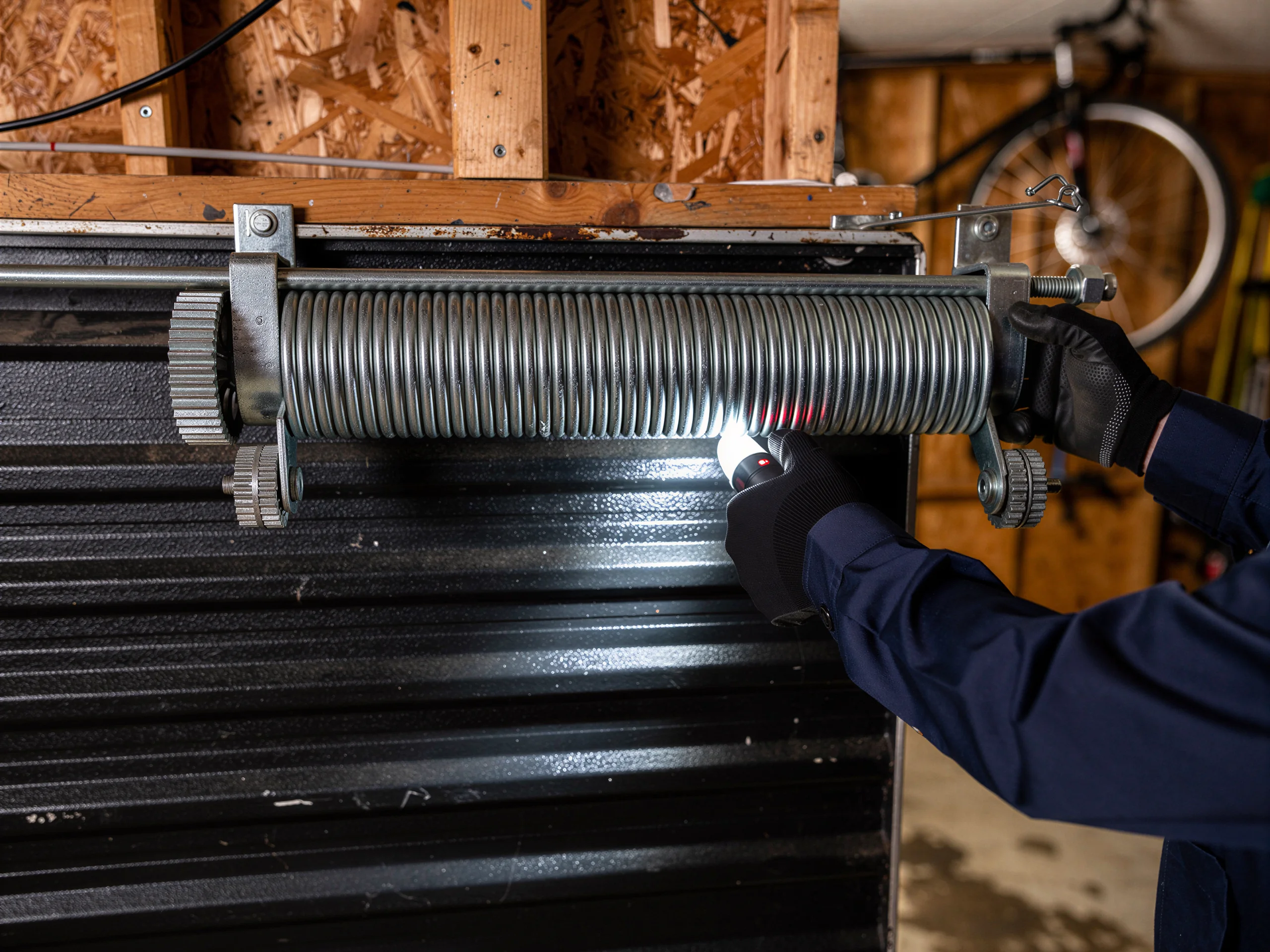
The complication in Glen Ellyn is almost always sourcing, not labor. A door built in 1972 predates the service area's typical housing stock by over a decade, and panel profiles from that era aren't something a supplier keeps on a shelf. We've had jobs where the section itself takes longer to track down than it takes to install.
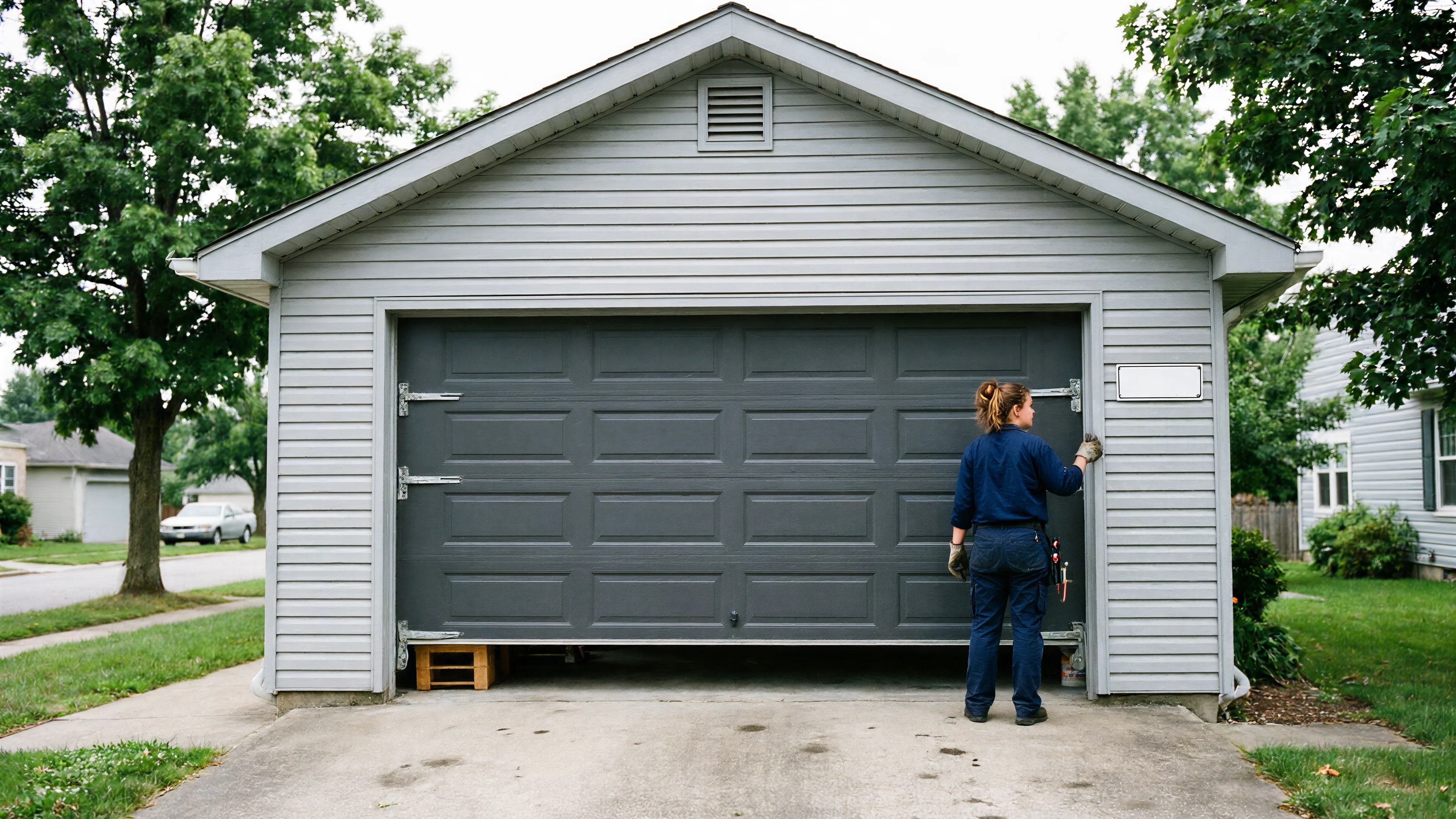
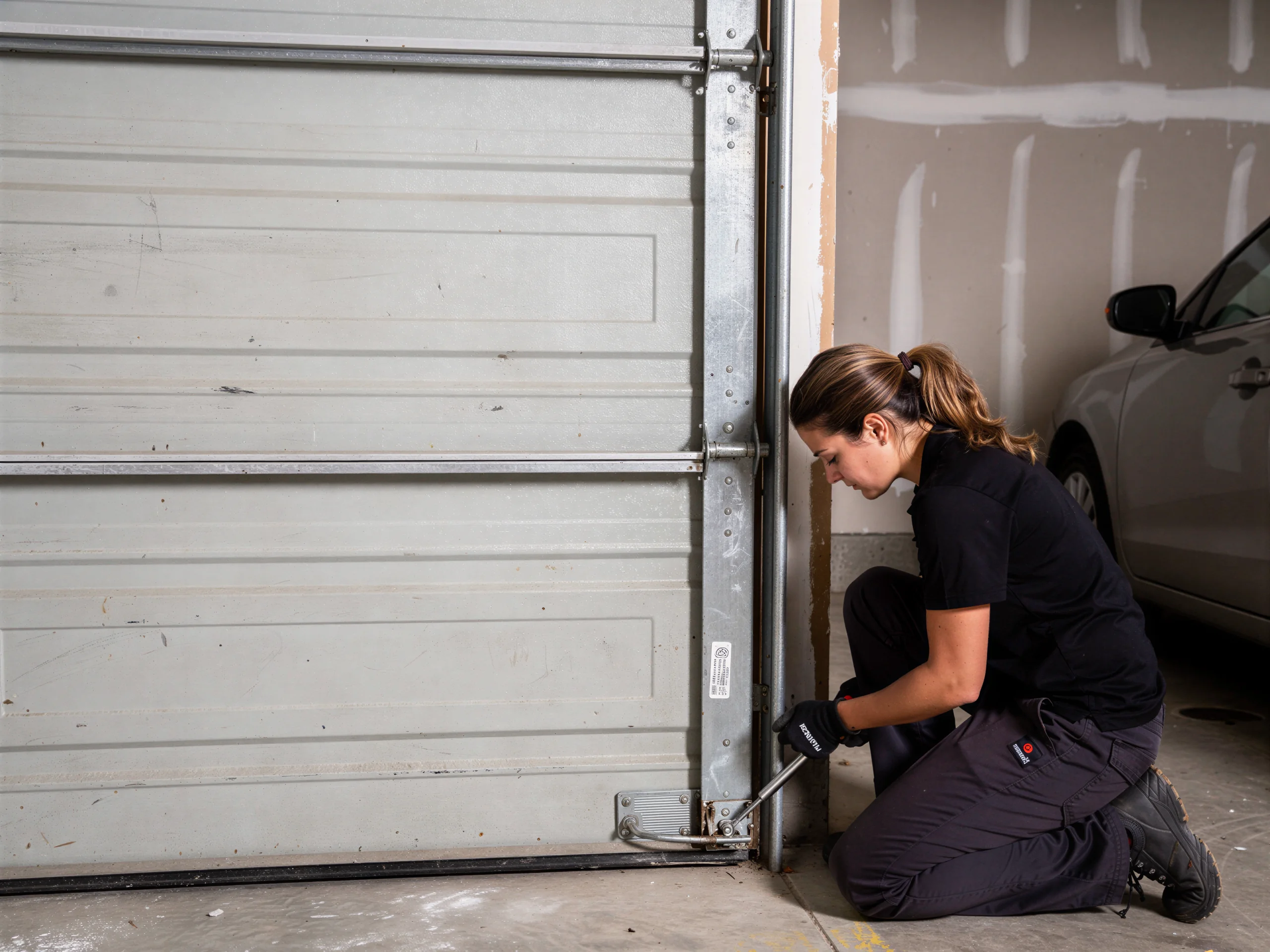
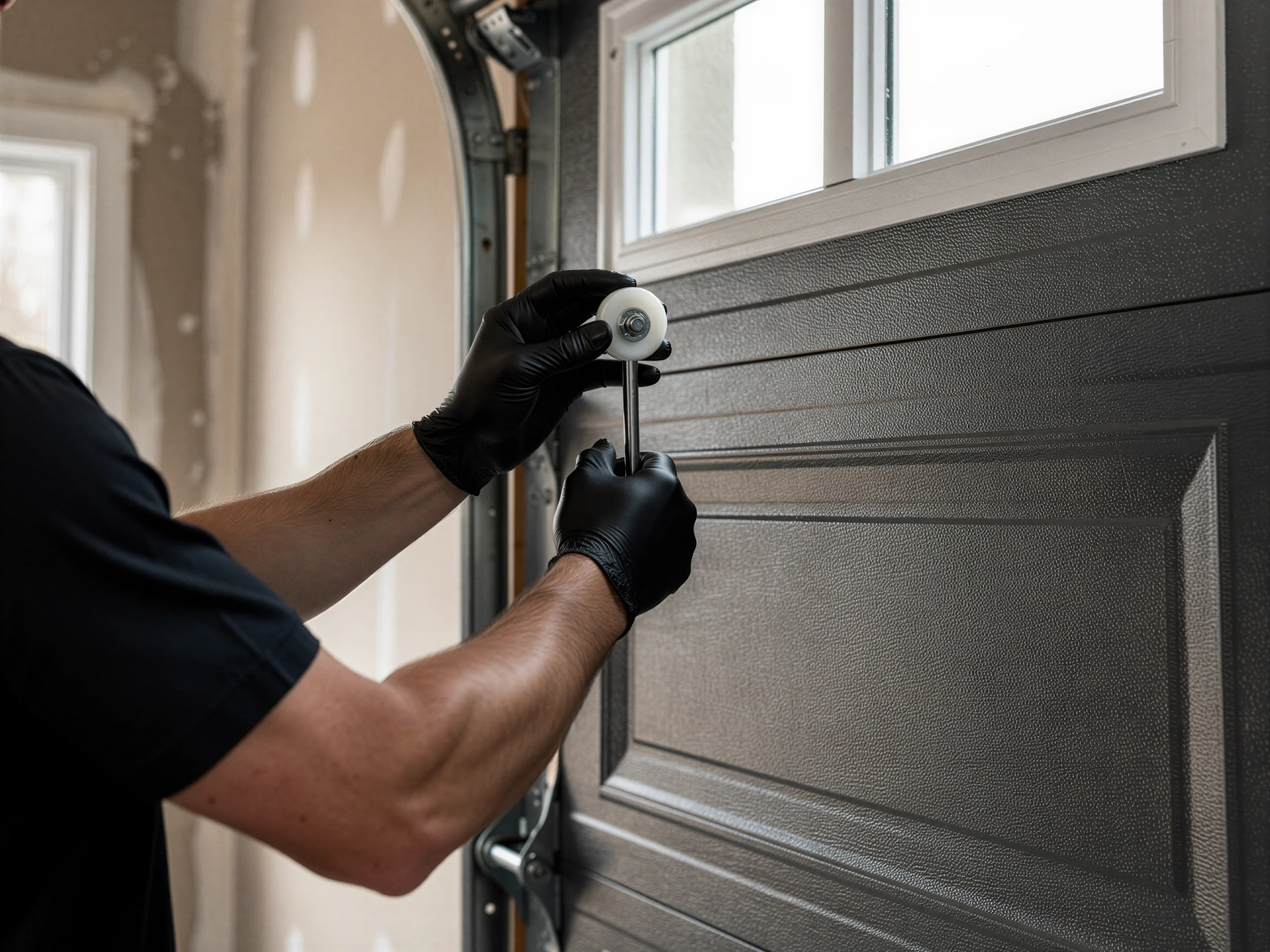
The other wrinkle is the climate. This area sits in a cold-moderate climate band, which means doors built without foam-core insulation lose a lot through a mismatched or warped panel - not just cosmetically, but in terms of how hard the opener works to lift a door that's racked even slightly out of square. A single replaced panel that doesn't sit flush with its neighbors can bind the rollers on one side and wear the opposite track faster than normal.
We'll say plainly: if the door is old enough that we can't match the panel without special-ordering a non-matching profile, replacing the full door usually ends up costing less in time and looking better than chasing down a one-off section.