
Crooked lift symptom
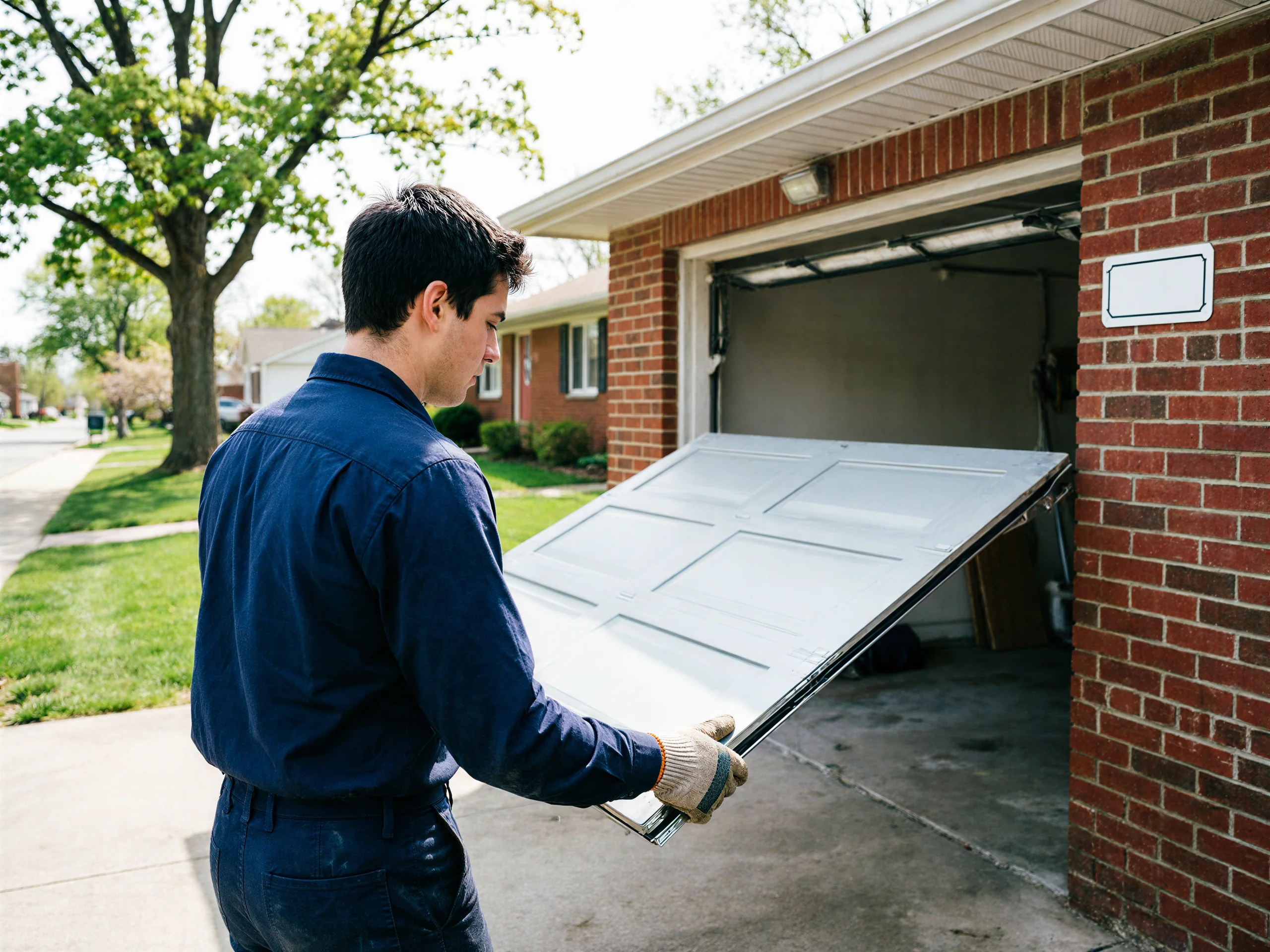
You might also see the door hang crooked, with one side higher than the other, which points to a cable that's jumped the drum or a spring that snapped on only one side of a two-spring setup.
Plainfield, IL
Stuck or broken garage door in Plainfield, IL? Homes built 1958-2004 wear out torsion springs in Plainfield's cold winters - what to expect before you call.
Warning signs
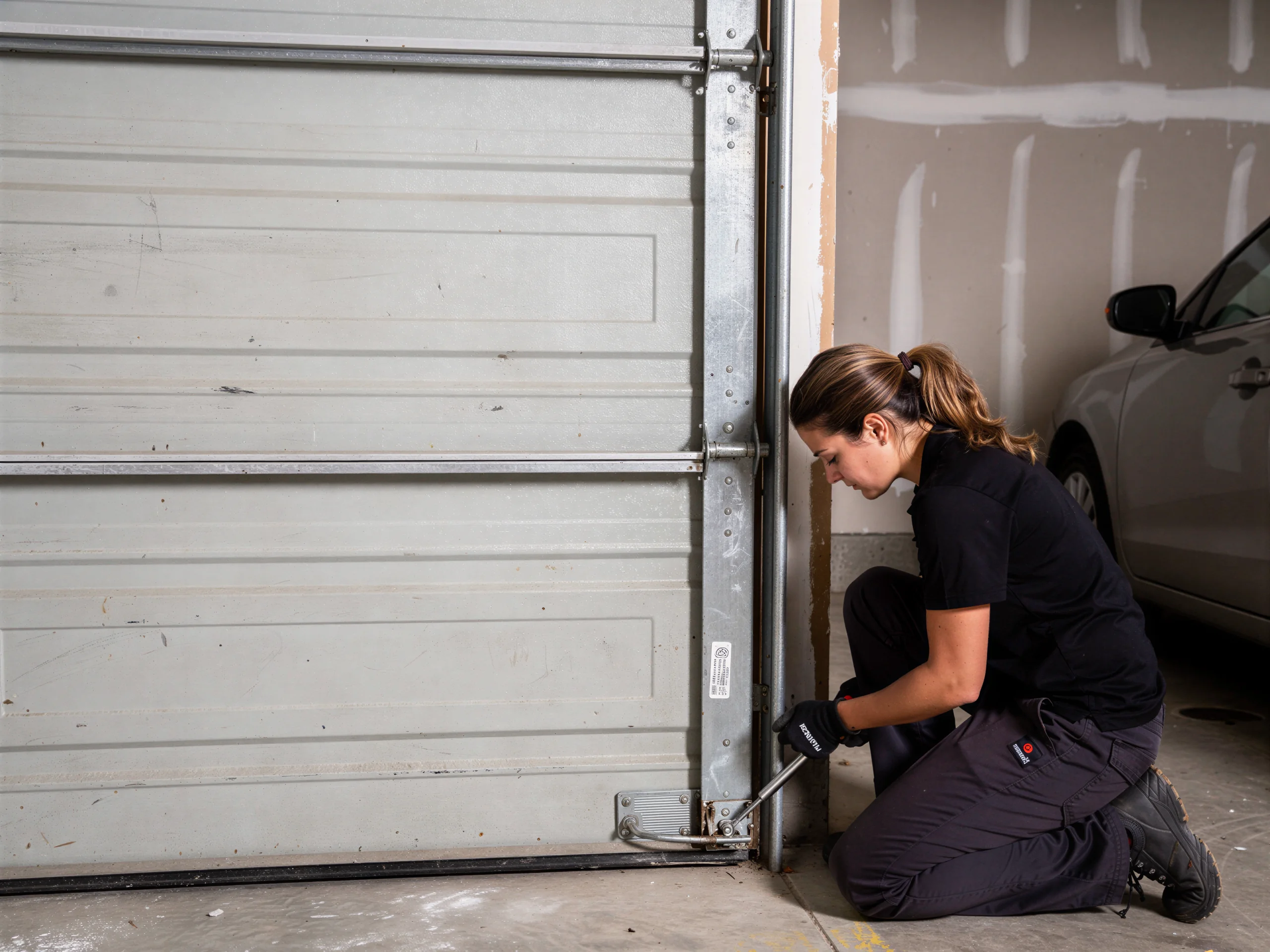
Most calls start the same way: the door won't move, or it moves wrong. A loud bang from the garage followed by the door refusing to budge usually means a torsion spring let go - the coiled bar above the door that does the actual lifting.
You might also see the door hang crooked, with one side higher than the other, which points to a cable that's jumped the drum or a spring that snapped on only one side of a two-spring setup.
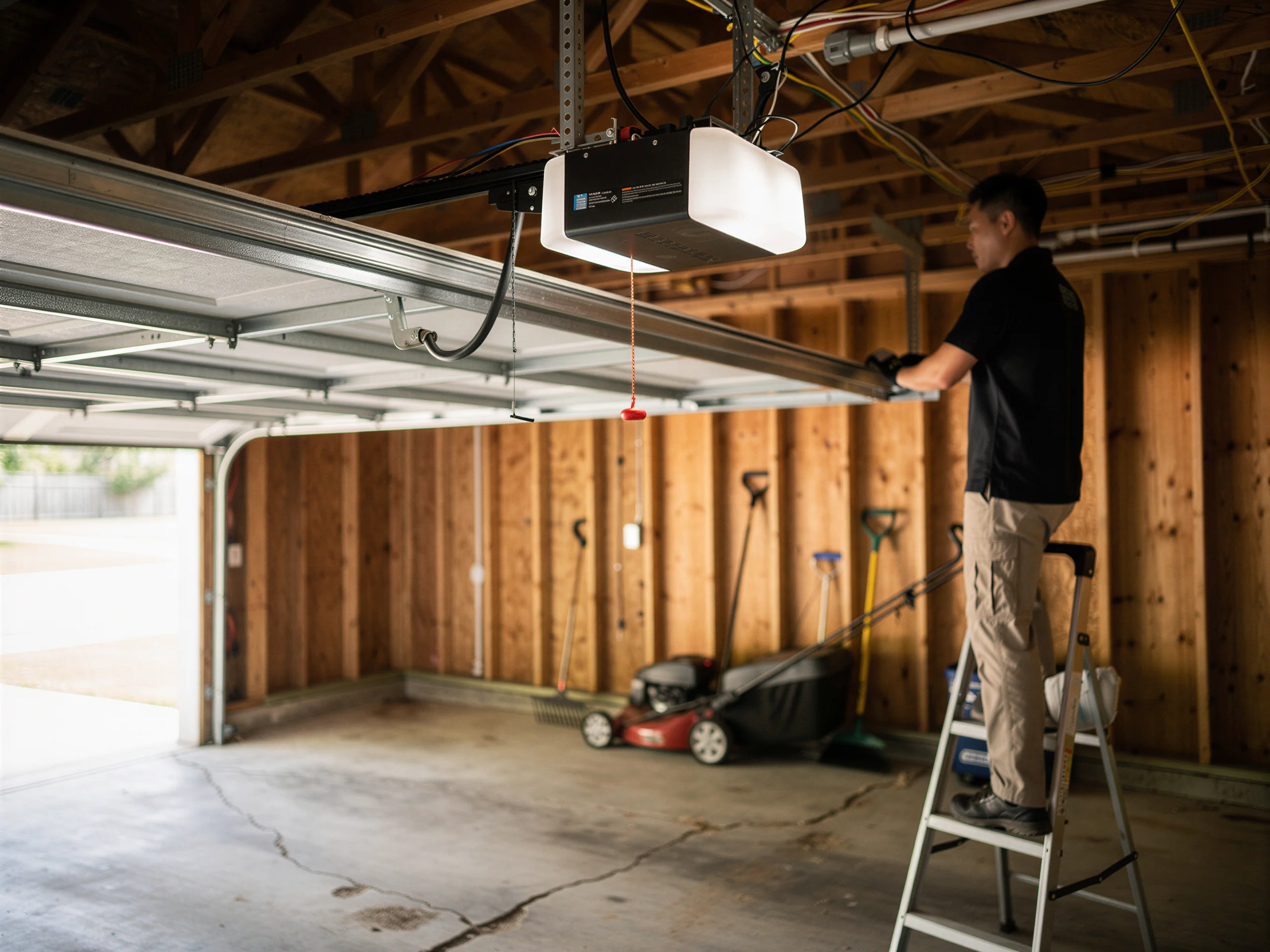
Sometimes it's quieter: the opener runs, the chain moves, but the door itself doesn't lift, which tells you the opener and the door have stopped working as a team even though the motor still has power.
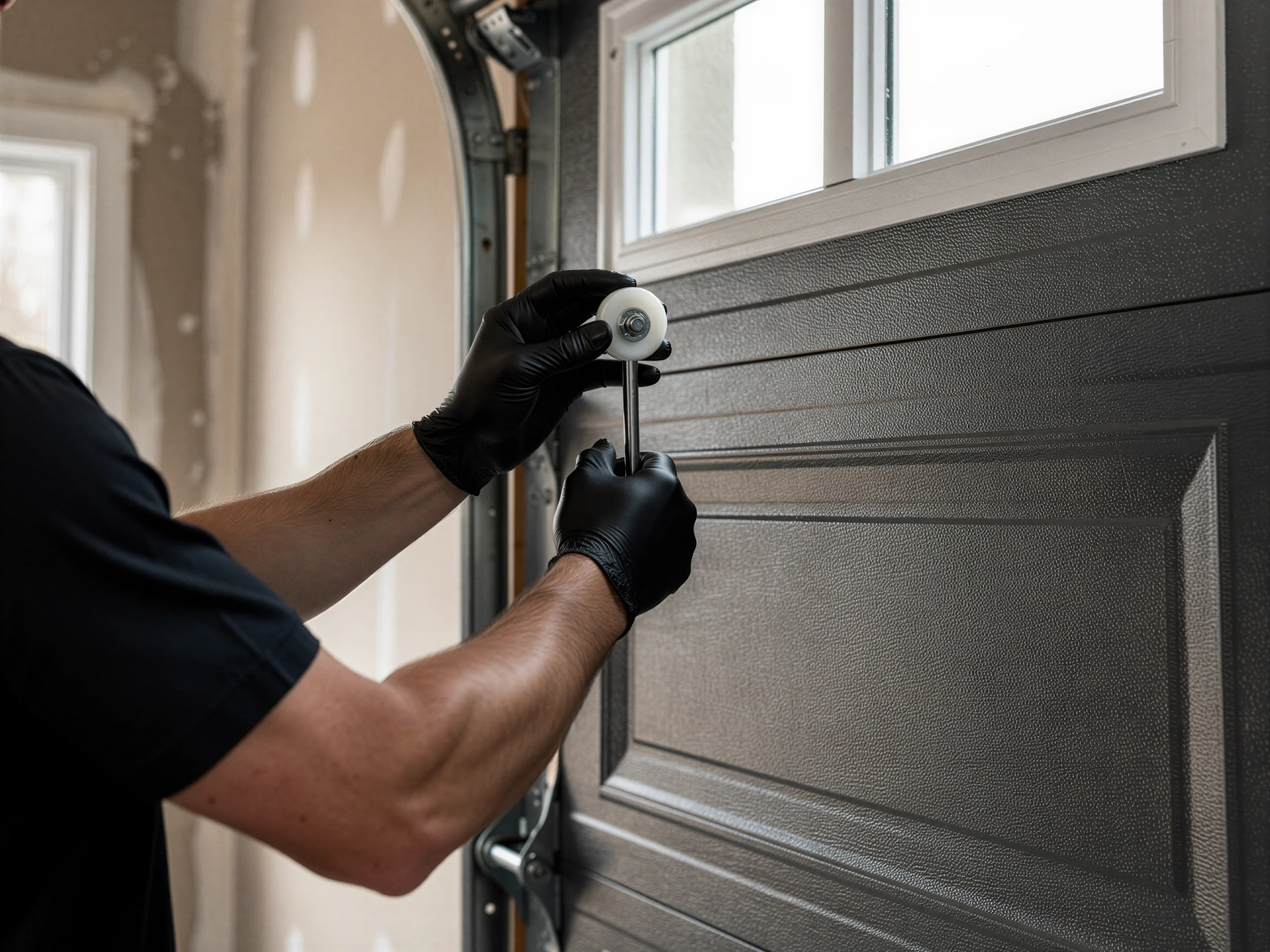
On older installs common across Plainfield's 1980s and 90s subdivisions, you'll also see worn rollers that have gone from round to oval, or a track pulled slightly out of alignment from years of the door riding on hardware that was never upgraded. None of these are cosmetic. A door that's fighting its own hardware puts more load on the opener gears and the remaining spring, which is how one bad part turns into three.
Downtime
A broken spring means the door stays down until it's fixed - the opener isn't built to lift a double garage door without spring assist, and forcing it will burn out the motor.
If your door has two springs and only one broke, don't assume it's fine to keep using it; the second spring is now carrying double the load it was sized for.
For homes built in the same stretch as most of this service area's housing, 1958 through 2004, the spring and opener are often original or a single replacement generation old, so when parts are needed they're sometimes not the exact size or style sold today.
That can mean matching a drum or shaft to an older torsion system rather than grabbing an off-the-shelf part, and that search takes longer than the repair itself. We won't promise a same-day fix sight unseen - a job where the drums are worn or the shaft is bent runs longer than a straight spring swap, and guessing at that over the phone does nobody any favors.
DIY or pro
Lubricating hinges, tightening loose bolts on the track brackets, and clearing the photo-eye sensors of dust are all fine to do yourself, and they genuinely cut down on service calls.
Torsion spring replacement is not in that category. The spring is wound under enough tension to break a wrist or worse if the winding bars slip, and the tools for doing it safely aren't something most garages have lying around. Cable work carries the same risk - a cable under load that comes off a drum can snap back hard.
If your opener is from the same era as the house, swapping the logic board or motor yourself also risks mismatching the safety reversal sensors, which is the part that keeps the door from closing on a car bumper or a kid's bike.
Our honest limit here: we don't recommend DIY spring work at all, and we won't walk someone through it over the phone. With a median household income around $109,064 in this area, most owners we talk to decide the risk isn't worth the afternoon and call it in instead.
Local causes
This area's housing stock runs 1958 to 2004 with a median build year around 1985, and that matters more than it sounds like it should. A torsion spring has a rated number of open-close cycles, and steel fatigues faster through repeated cold-to-warm swings than it does from age alone. Plainfield sits in a cold, moderate climate band, which means the coil contracts hard on a 15-degree morning and then gets asked to flex again on a 45-degree afternoon the same week. That swing is exactly what shortens spring life compared to a steady climate. Because so much of the local stock - across the roughly 210,900 households and 112,206 owner-occupied houses in this service area - went up inside that same 1980s-to-90s window, a lot of springs are aging out at close to the same time. It's not unusual to get two calls from the same block in the same month. None of this is a defect in any one door; it's just what happens when a batch of hardware installed in the same decade hits the end of its rated life in the same stretch of winters.
Questions
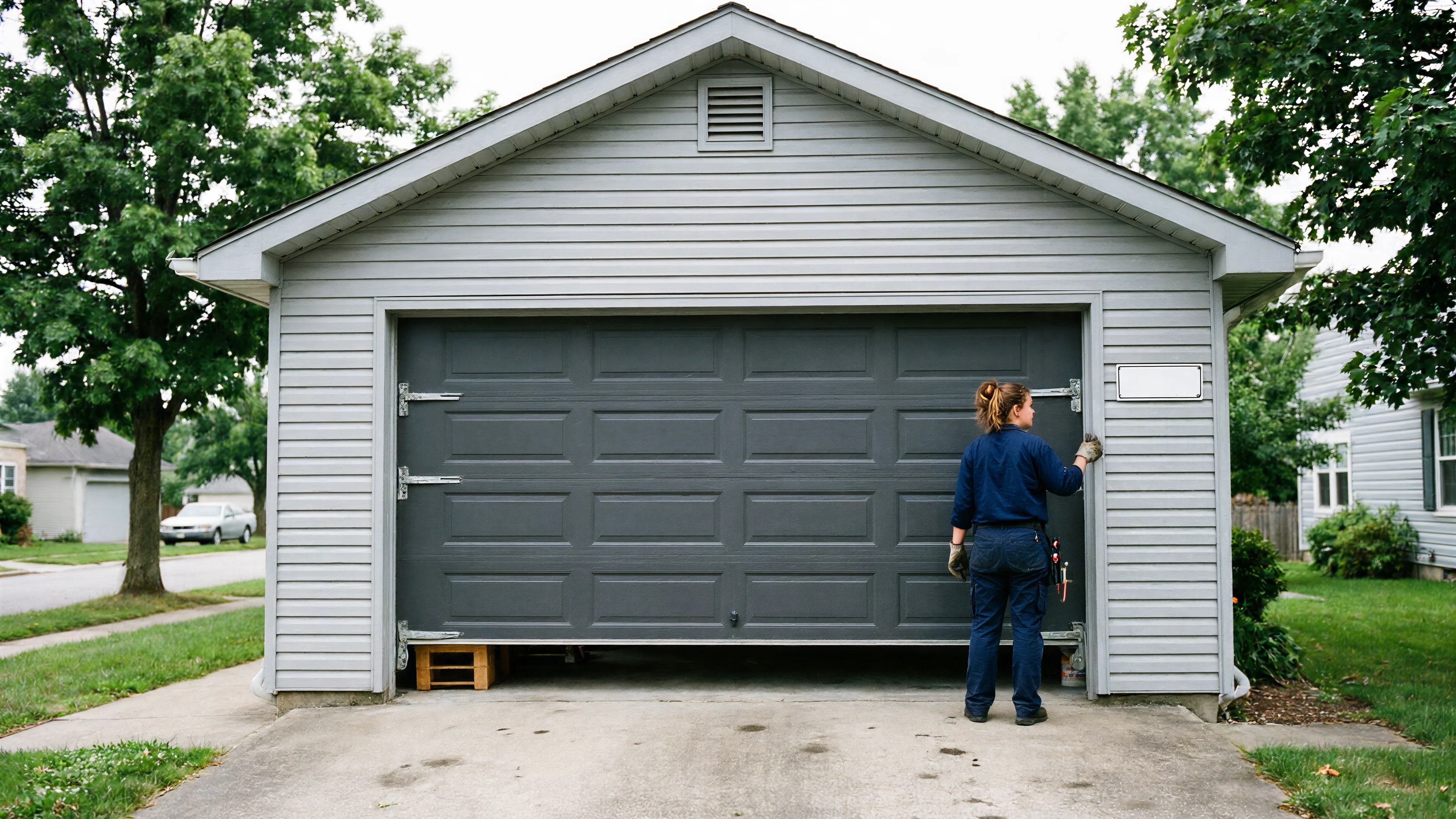
Cold makes the steel in a torsion spring less forgiving, and the daily swing between a cold morning and a warmer afternoon flexes the coil more than a steady temperature would. In Plainfield's cold, moderate climate, that swing adds up faster over a spring's rated life, which is why winter is when a lot of springs finally let go.
No. Once a spring breaks, the opener can't safely lift the door's full weight, and forcing it strains the motor and gears. If it's a two-spring setup and only one broke, the other is now overloaded too. Leave the door down and call it in rather than risk the opener or the remaining hardware.
It can. A lot of homes in this service area date to that window, and original torsion hardware from that era sometimes uses a shaft or drum size that isn't the modern standard. It doesn't stop the repair, but it can mean matching an older part rather than grabbing a universal one off the shelf.
Explore more
Ready when you are
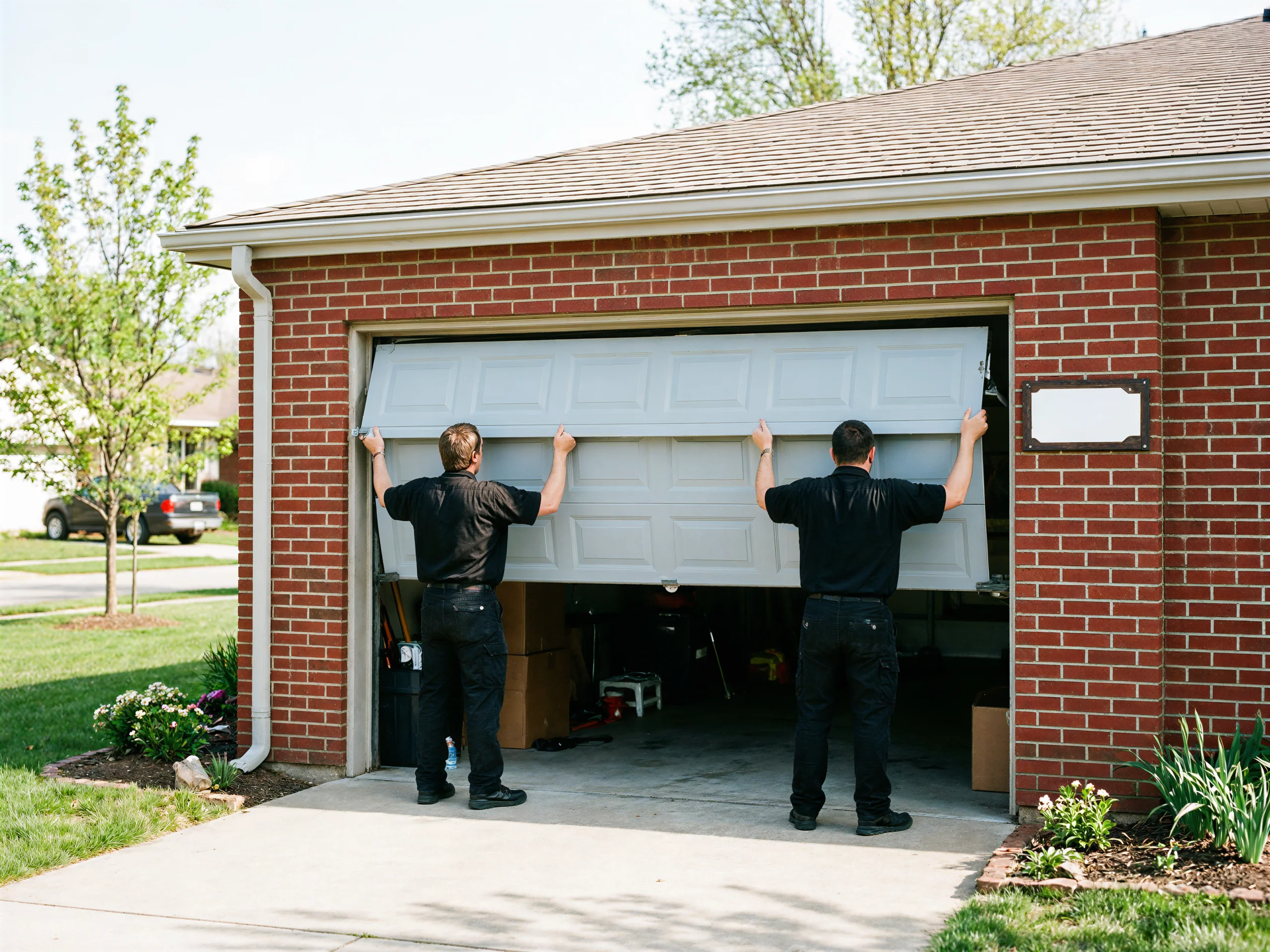
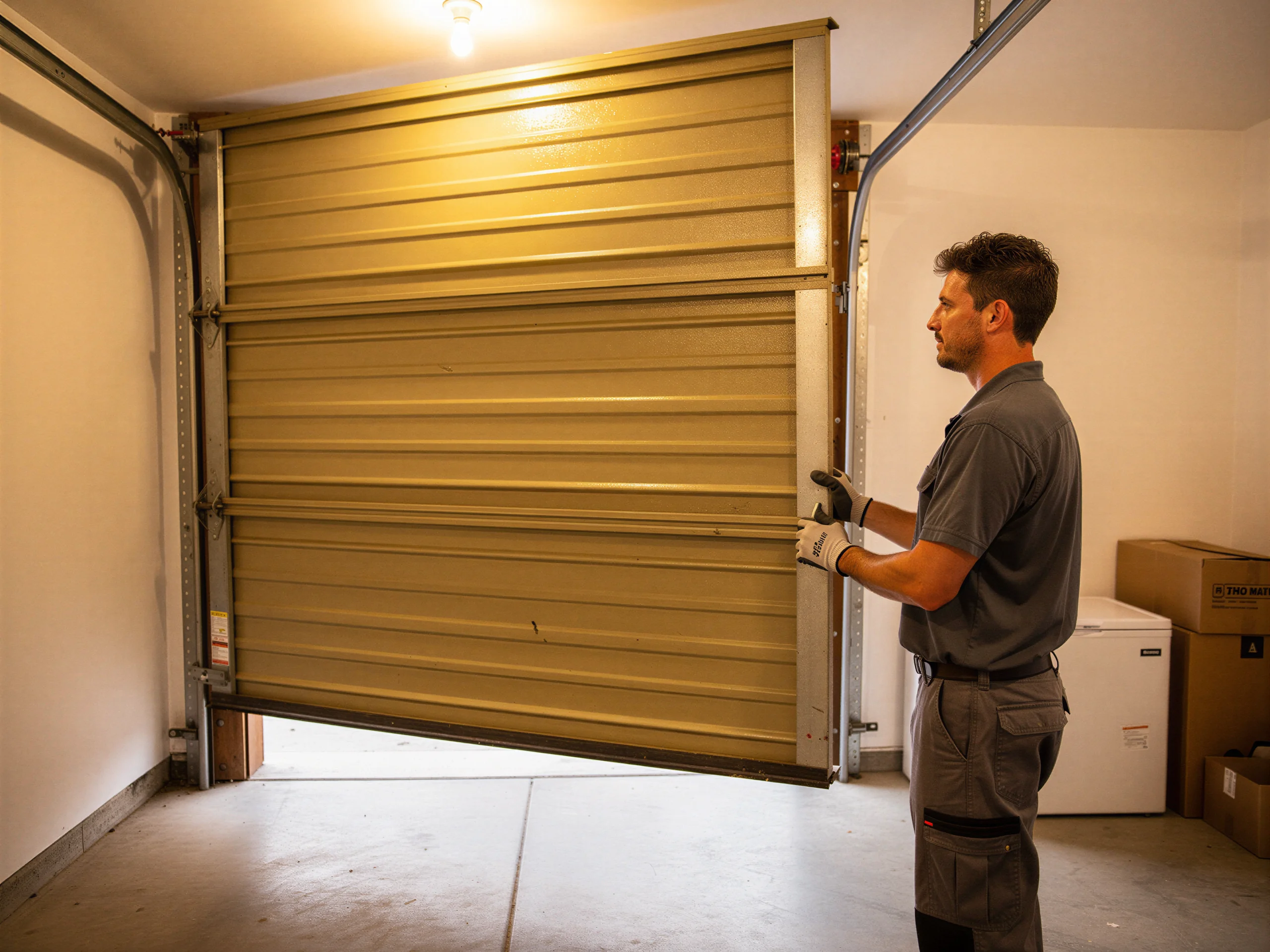
Plainfield Garage Door Pros repairs and installs garage doors, springs and openers in Plainfield, IL and the surrounding area.