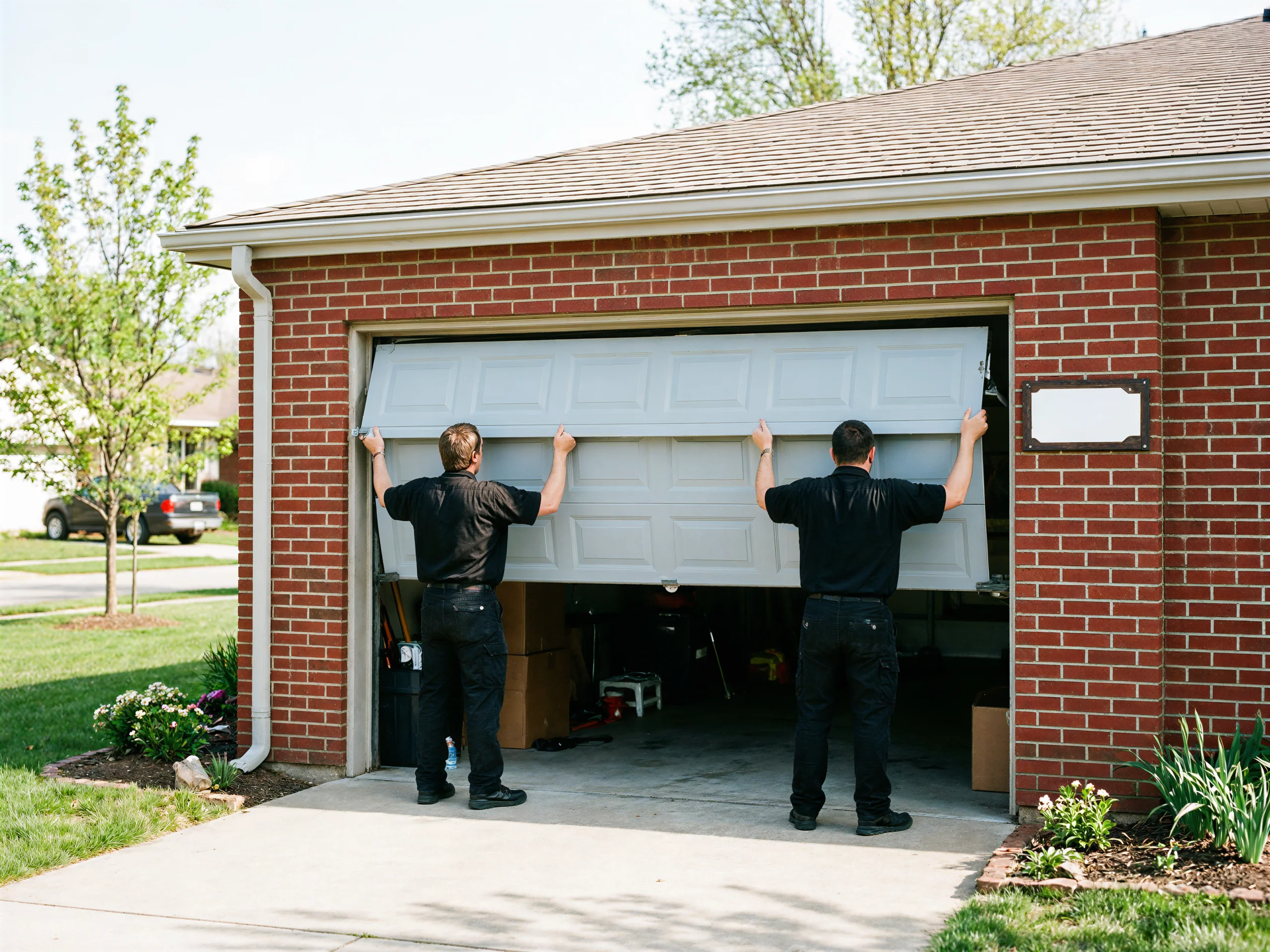
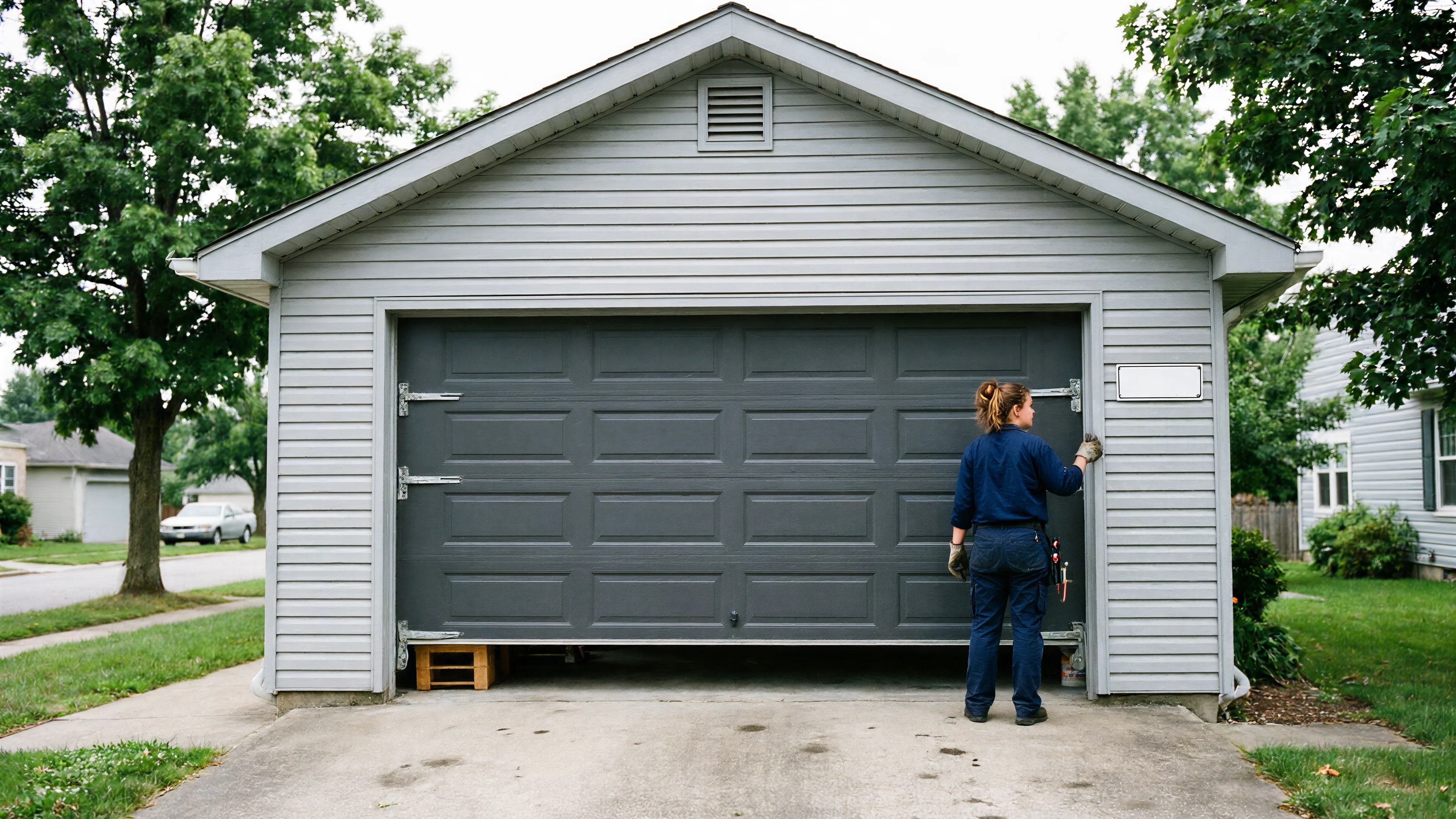
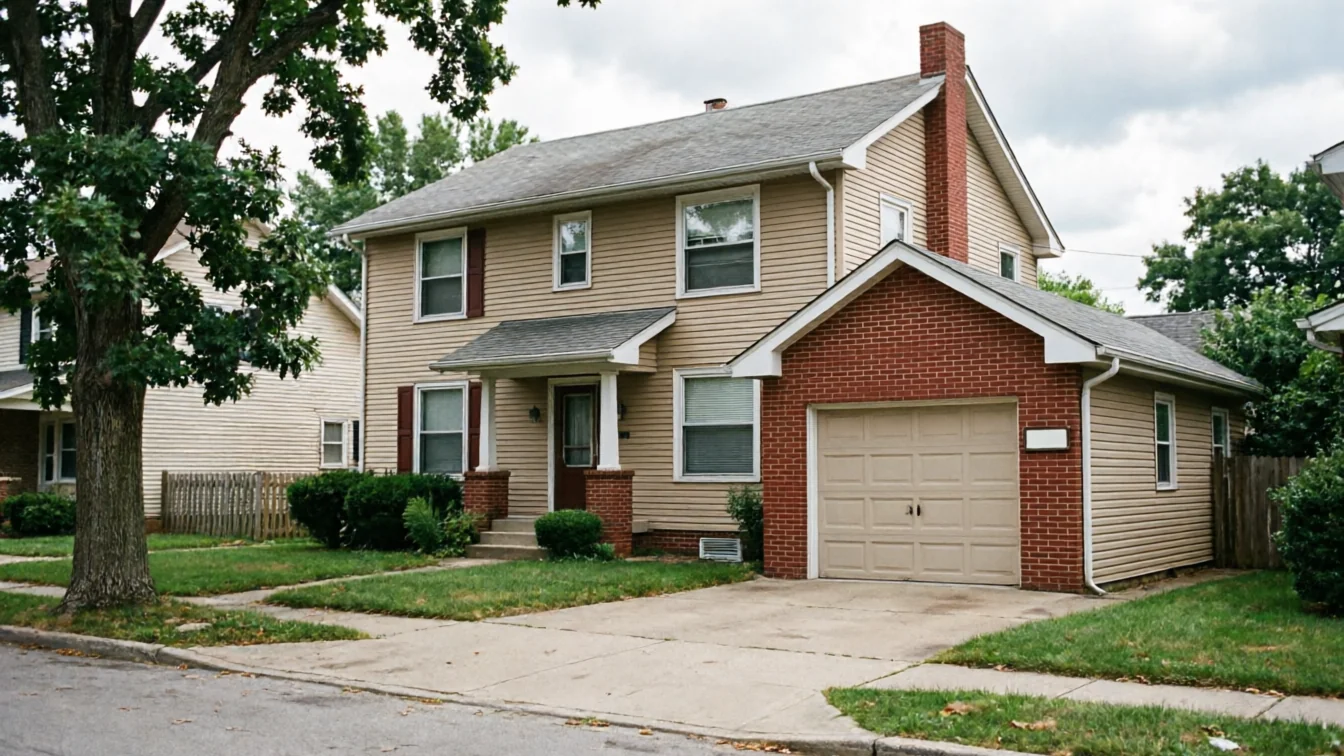
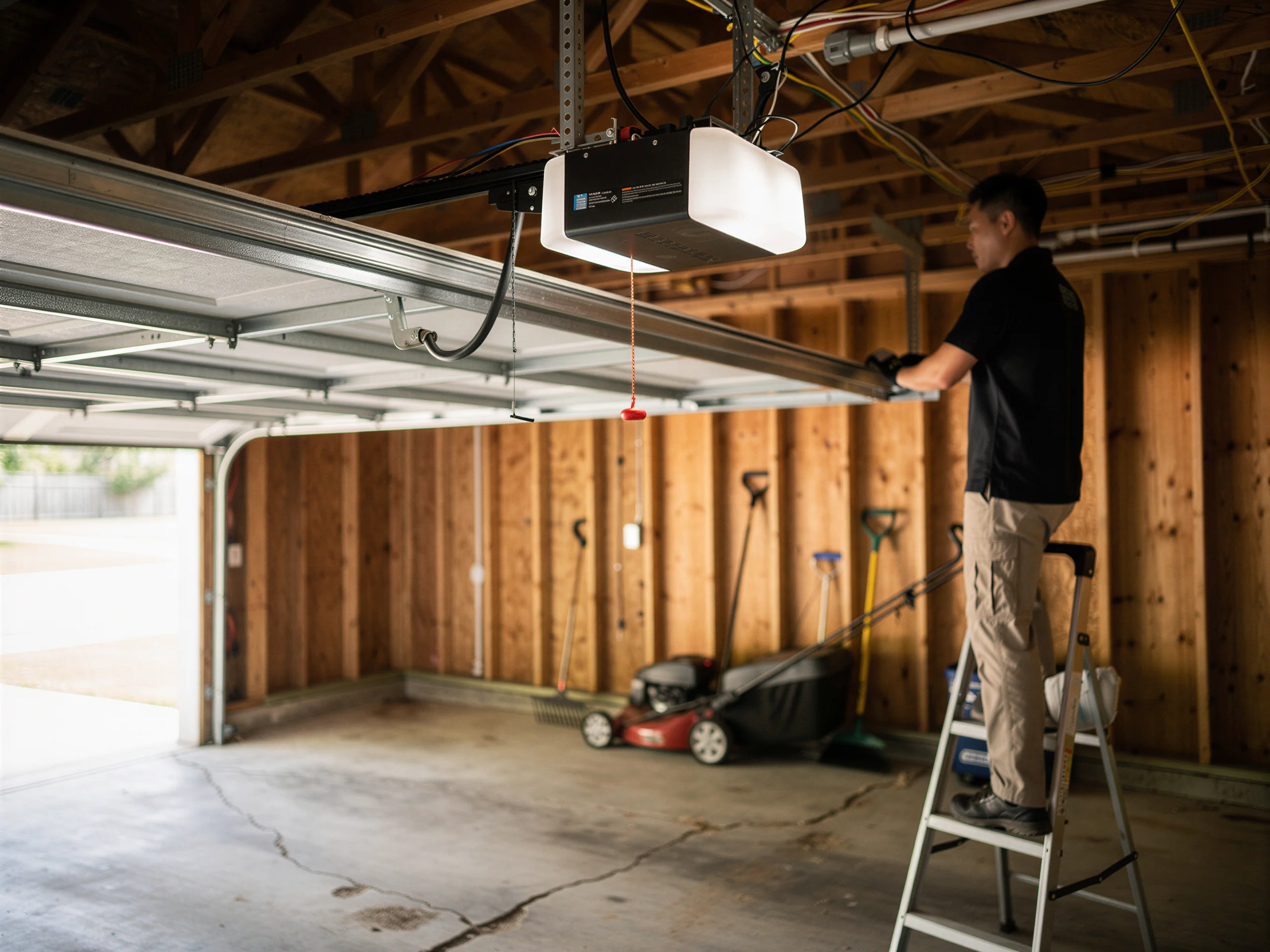
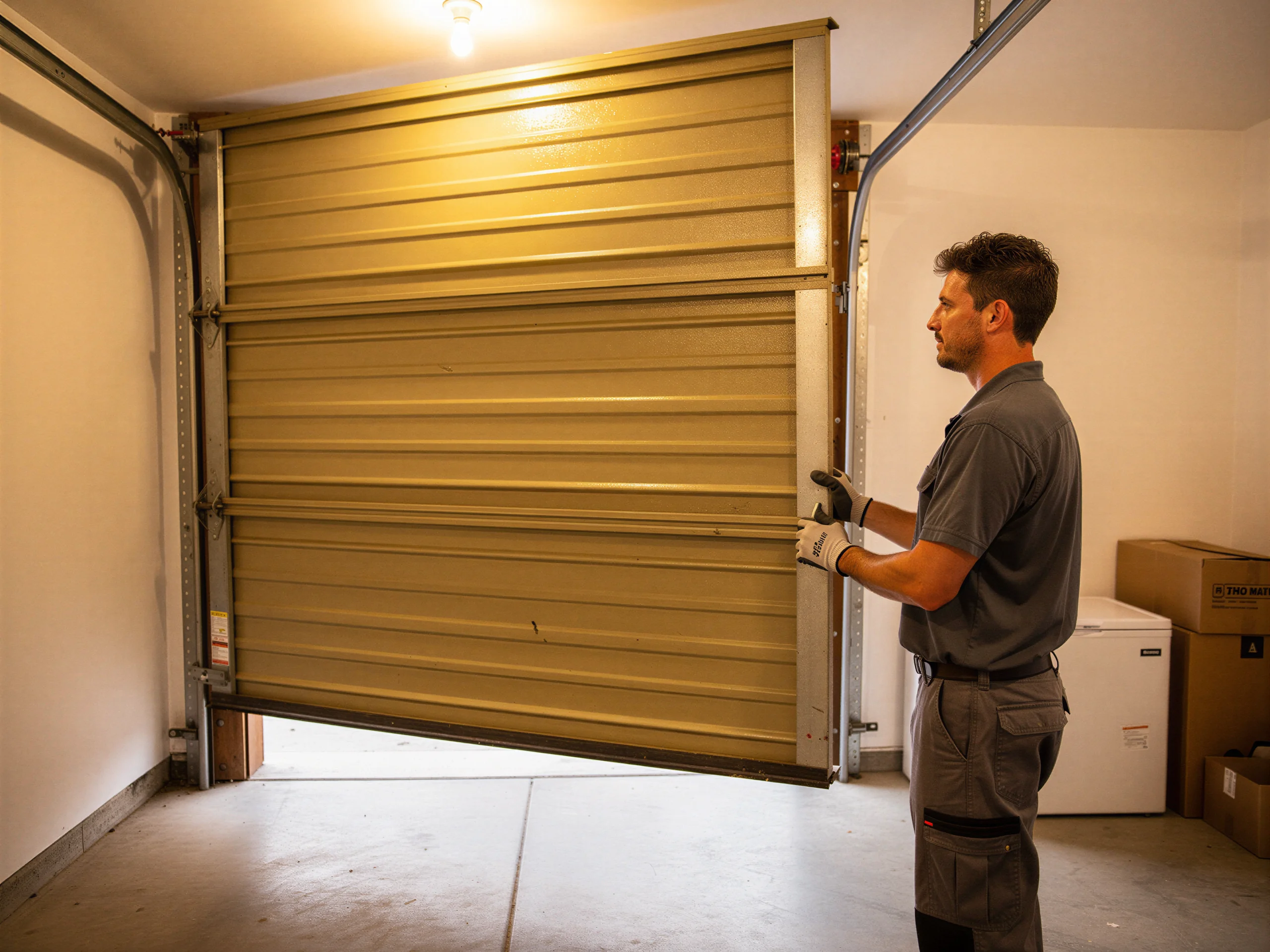
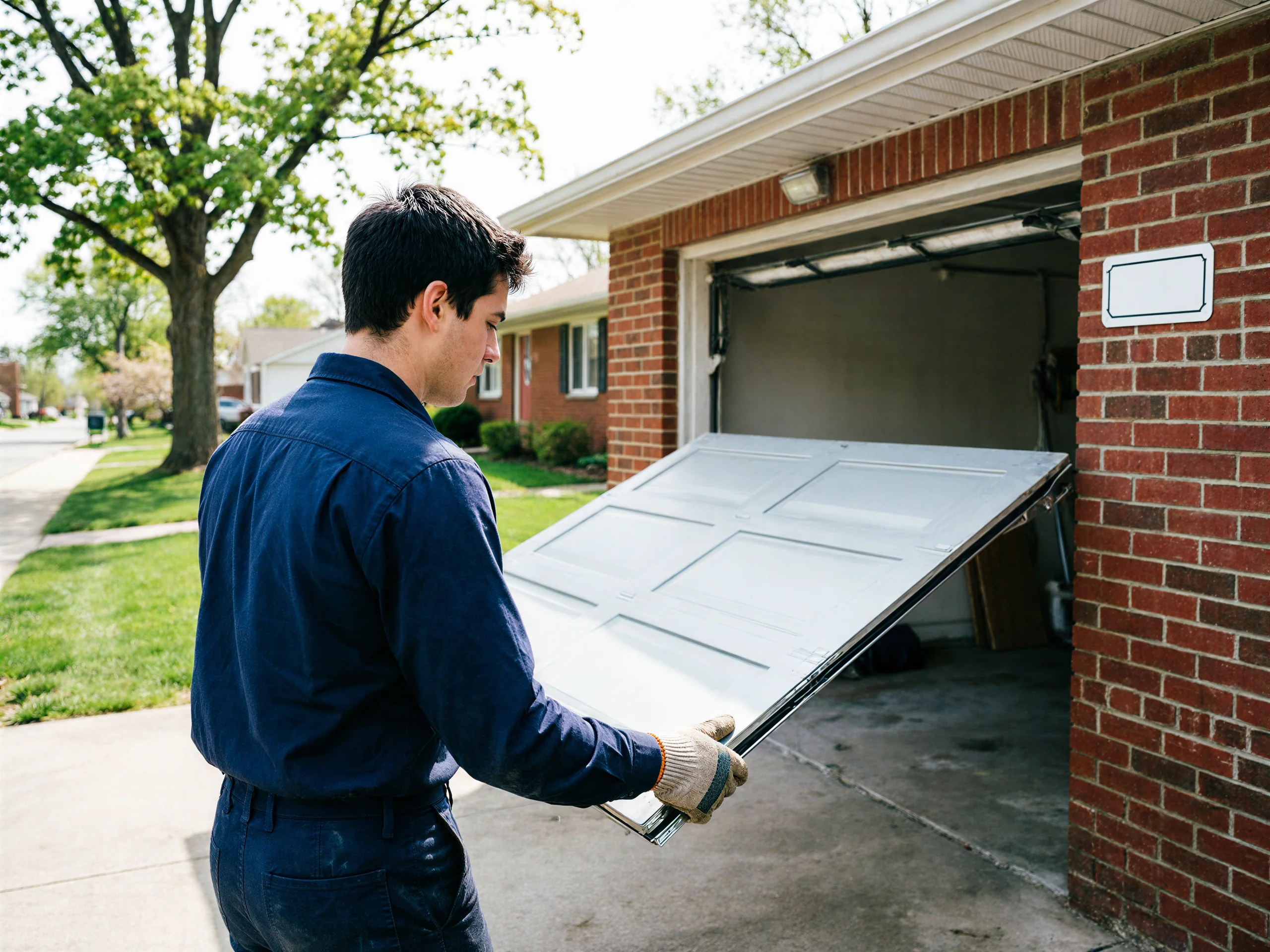
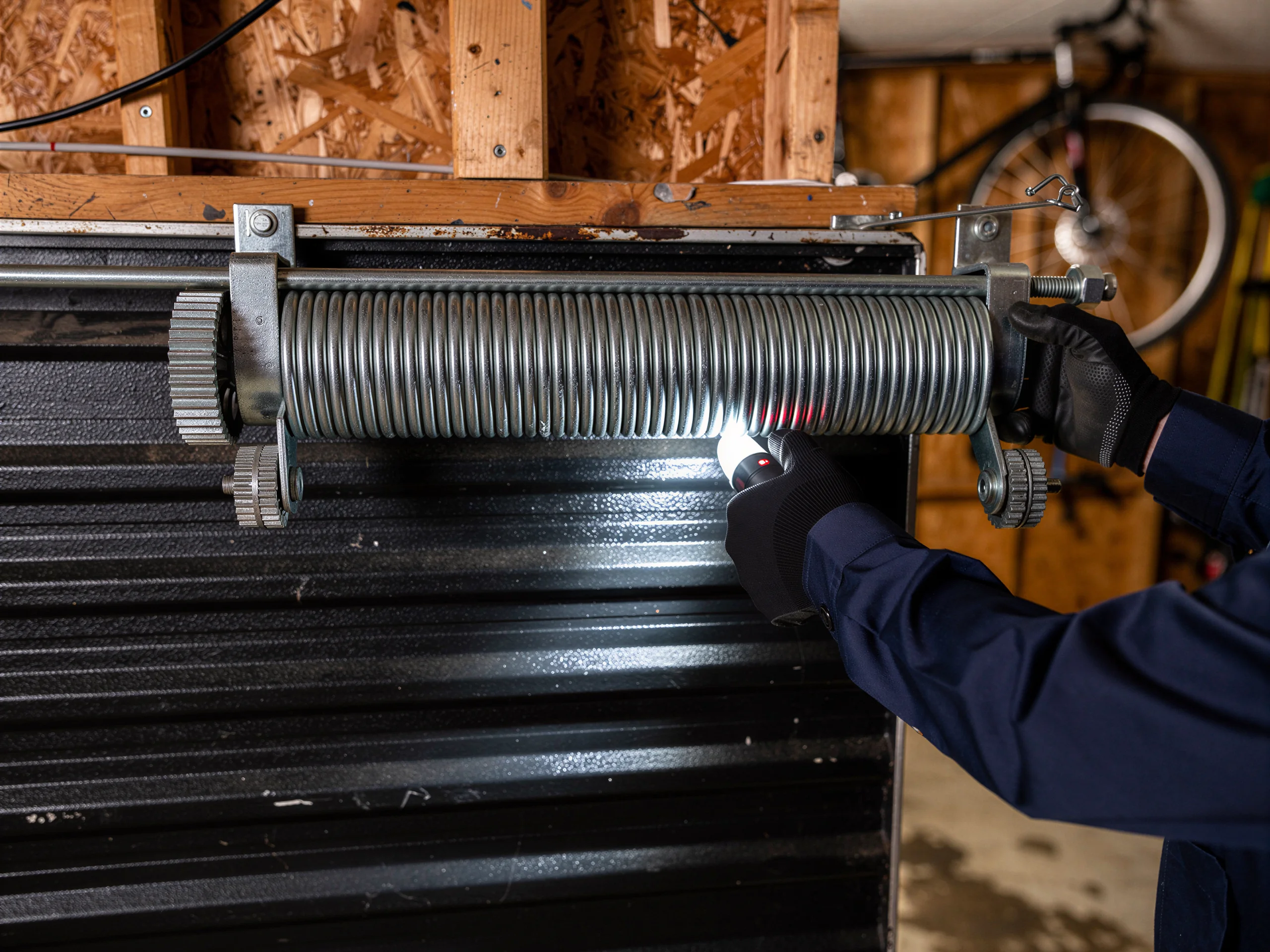
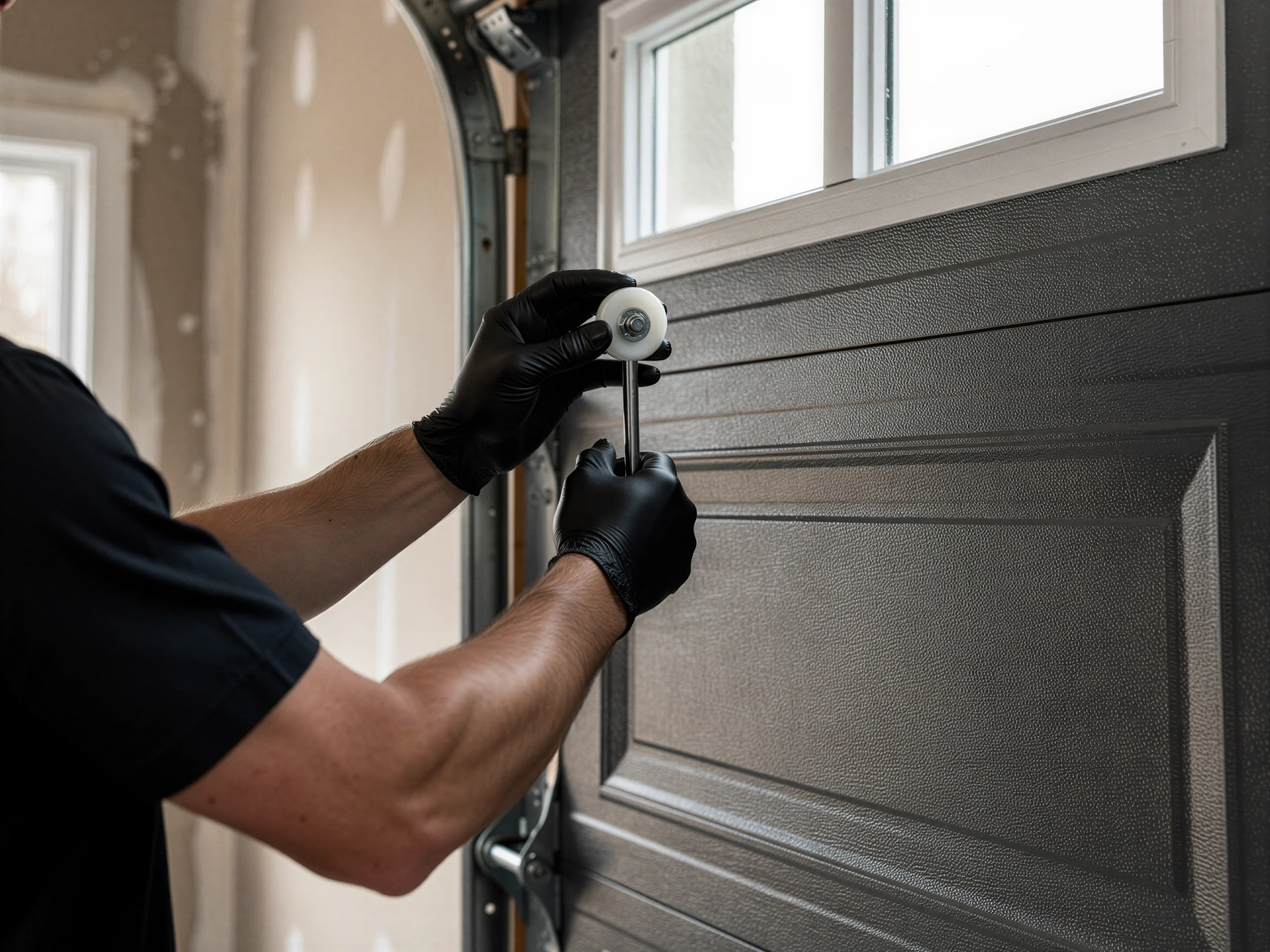
The failure pattern here tracks straight back to the housing stock and the climate. A door built in the 1980s or 90s wasn't engineered for the insulation standards or wind-load specs that newer doors carry, and in a cold moderate climate like Plainfield's, an uninsulated steel panel takes a real beating from seasonal expansion and contraction at the seams - that's where you get the gap widening and the bottom seal failing early. With a median household income of $109,064 across the service area, most owners here choose a full replacement over patching an old door once the panels are compromised, rather than stacking repairs on hardware that's already near the end of its life. And because the area runs 112,206 owner-occupied houses against 210,900 total households, a lot of these installs are happening on houses that have had one owner and one original door the whole time - so when it fails, it fails all at once, not gradually. That's different from a newer subdivision where doors are still mostly under 15 years old.