Fast garage door repair in PlainfieldCall (815) 247-0972

Plainfield, IL

Garage Door Roller Replacement Around Plainfield

Worn or cracked rollers on a Plainfield-area garage door usually trace back to the house's age and our winters. Here's what to look for and why it keeps coming back.

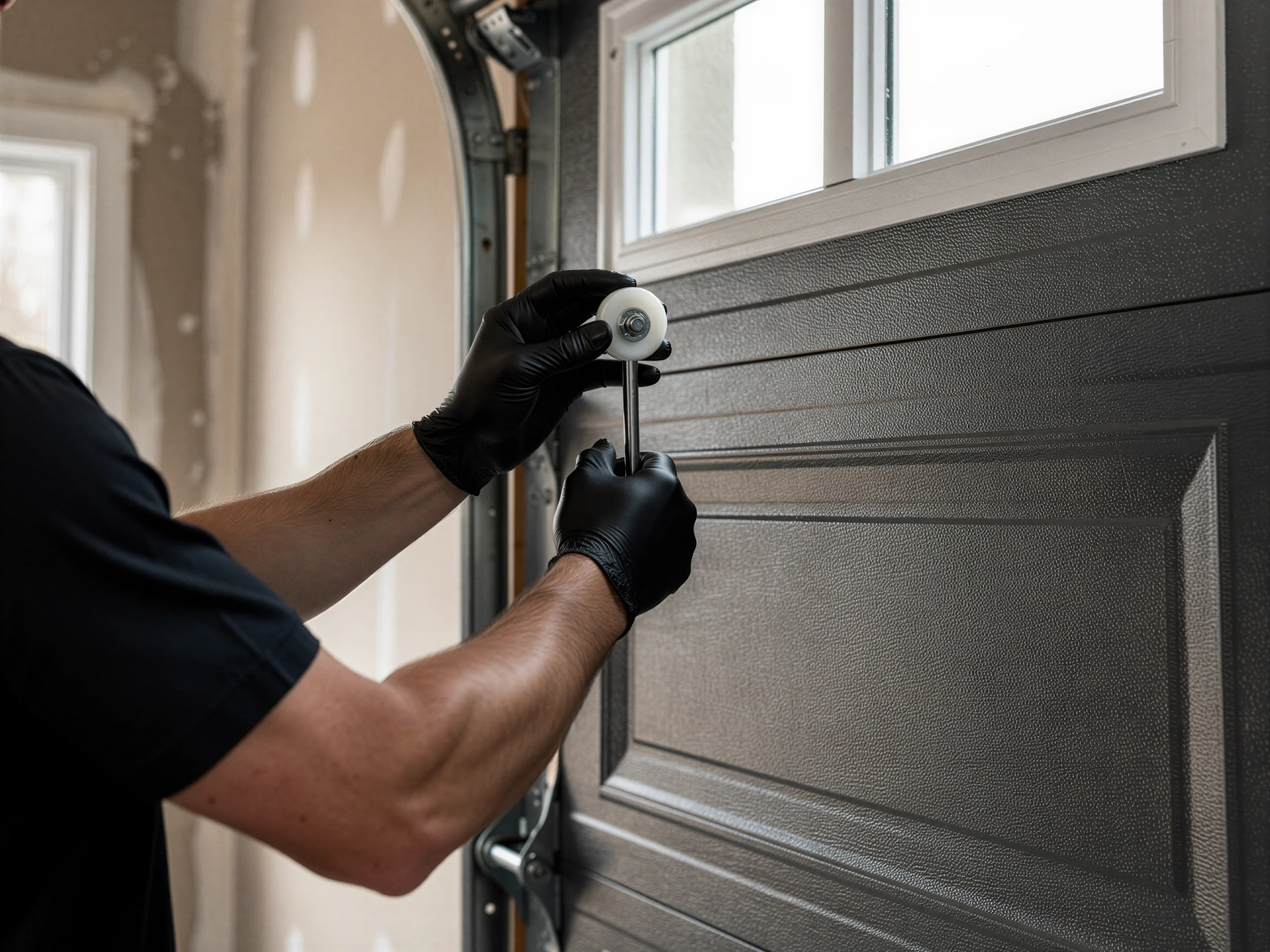
A technician wearing black gloves installs a roller on a dark gray garage door.
Serving Plainfield, ILBackground-checked techsHonest, upfront pricingFast local response
Local
Crews that work this area daily
Same-day
Response for most repair calls
Upfront
Pricing agreed before we start
Insured
Background-checked technicians

Warning signs

What You Are Seeing

If the door jerks, hesitates, or makes a grinding or popping sound as it rolls through the track, the rollers are usually the problem before the opener is.

Flat-spot roller wear

Nylon rollers wear flat on one side, steel rollers lose their bearings, and either way the door starts riding rough instead of sliding smooth. Most of the houses we get called to across this service area went up between 1958 and 2004, with a lot of that stock clustered in the 1980s and 90s builds you'll find across the 36 named areas we work.

Builder-spec original rollers

Doors and track hardware from that era were often installed with the rollers the builder spec'd at the time, not upgraded since. Thirty-plus years of opening and closing on the original rollers is a long run for any roller, nylon or steel.

Rust bleeding onto track

You'll also see flat spots that line up with where the door sits closed most of the day, chips or cracks on the roller wheel itself, and rust bleeding onto the track from steel stems that have been sitting in a damp garage for decades. None of that is an opener problem. It's wear, and it's the kind of wear that gets worse quietly until the day it doesn't.

Downtime

How Long You Are Without the Door

A roller job doesn't usually take the door out of service for long once a tech is on site with the right parts, but the honest answer depends on what we find when the track comes off the rollers.

Added time for bent track

If a bent track or a damaged hinge gets found along with the worn rollers, that adds time, because those get fixed in the same visit rather than left for a second trip. We don't carry every roller size and grade on the truck for every door style out there.

Odd stem length orders

If your door uses an odd stem length or a sealed-bearing roller that isn't common stock, that can mean ordering the part before the job finishes, which stretches the timeline past a single visit. That's a limitation worth knowing up front rather than finding out mid-job.

Closed-position waiting period

The door itself can usually be left in a safe, closed position while any waiting happens, so you're not stuck with an open bay overnight. We'll tell you straight whether your door is a same-visit job or a two-trip job once we've had eyes on the actual rollers and track.

DIY or pro

Can You Do This Yourself

Swapping a garage door roller is mechanically simple in theory: pull the roller stem out of the hinge bracket, slide a new one in. The catch is the bottom rollers and the rollers nearest the bottom corners sit under spring tension from the door's own weight, and working near a loaded torsion or extension spring without knowing how to safely secure the door first is how people get hurt.

Top roller DIY swap

Top rollers and the ones in the middle of the track are a more reasonable DIY swap for someone comfortable with a ladder and basic tools, as long as the door is disconnected from the opener and the track is in good shape.

Seized roller limits

If the track itself is bent or the roller has seized and won't pull free, that's past a simple swap and into territory where forcing it bends the track further or pulls a hinge screw loose.

Which rollers are safe

We'd rather tell you which rollers are safe to handle yourself than sell you a visit for a five-minute job. Where we draw the line is the rollers under load and any door where the track and rollers have been fighting each other long enough that one has damaged the other.

Local causes

Why This Fails Locally

This part of Illinois sits in a cold, moderate climate band, which means steel roller stems and bearings go through a real freeze-thaw cycle every winter. Moisture gets into the bearing, freezes, expands, and that's what turns a quiet roller into a grinding one faster than it would in a milder climate.

Pair that with the age of the housing stock across the service area - built mostly between 1958 and 2004, with a heavy concentration of 1980s and 90s construction - and you get a lot of original garage hardware that's been through thirty or more of those freeze-thaw cycles without ever being touched. Builders in that era weren't speccing sealed-bearing rollers as a default, so a lot of these doors are still running the steel rollers they shipped with.

With roughly 112,206 owner-occupied houses in the area, that's a large base of garages built in the same two-decade window, aging through the same winters, on the same basic hardware. It's not a coincidence that roller failures cluster this way - it's the housing stock and the climate working on the same parts at the same rate, year after year.

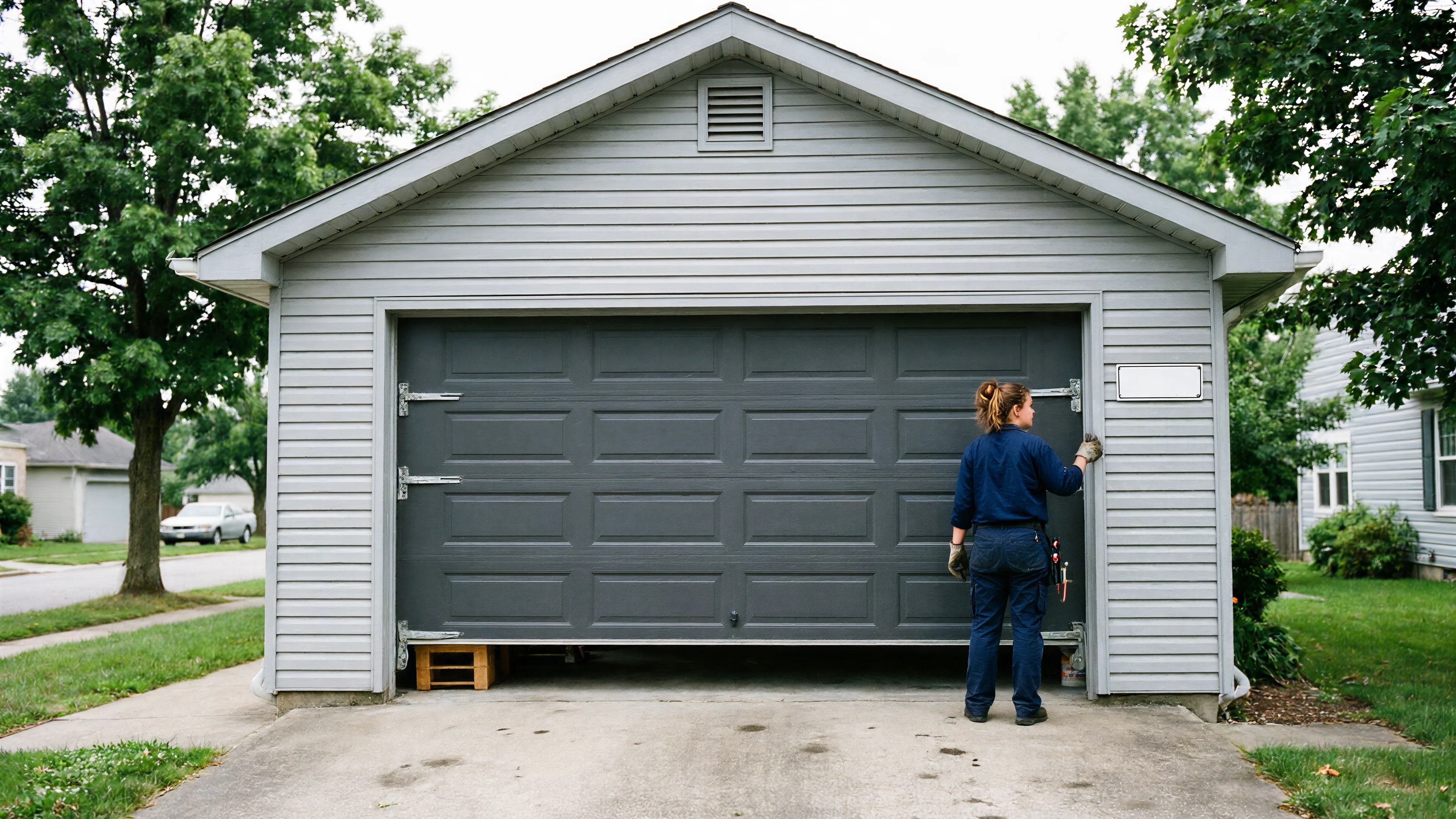
A technician in a blue uniform stands next to a gray garage door.

Questions

Common questions

How do I know if it's the rollers and not the opener?

If the door moves rough or grinds but the opener motor sounds normal and the chain or belt isn't skipping, the rollers or track are the more likely cause. An opener problem usually shows up as the door not moving at all or reversing on its own, not a rough ride.

Do all the rollers need to be replaced at once?

Not always. If only the rollers near the bottom are worn, we can often replace just those. But if the door is original to a house built decades back, the rest are usually close behind, so replacing the full set at once can save a second visit later.

Will new rollers fix the noise completely?

Usually, if the track and hinges are in good shape. If the track has been riding on worn rollers for years, the track itself may have picked up wear or a slight bend, and that can keep some noise around even with new rollers installed.

Explore more

Explore More Services In Plainfield, IL

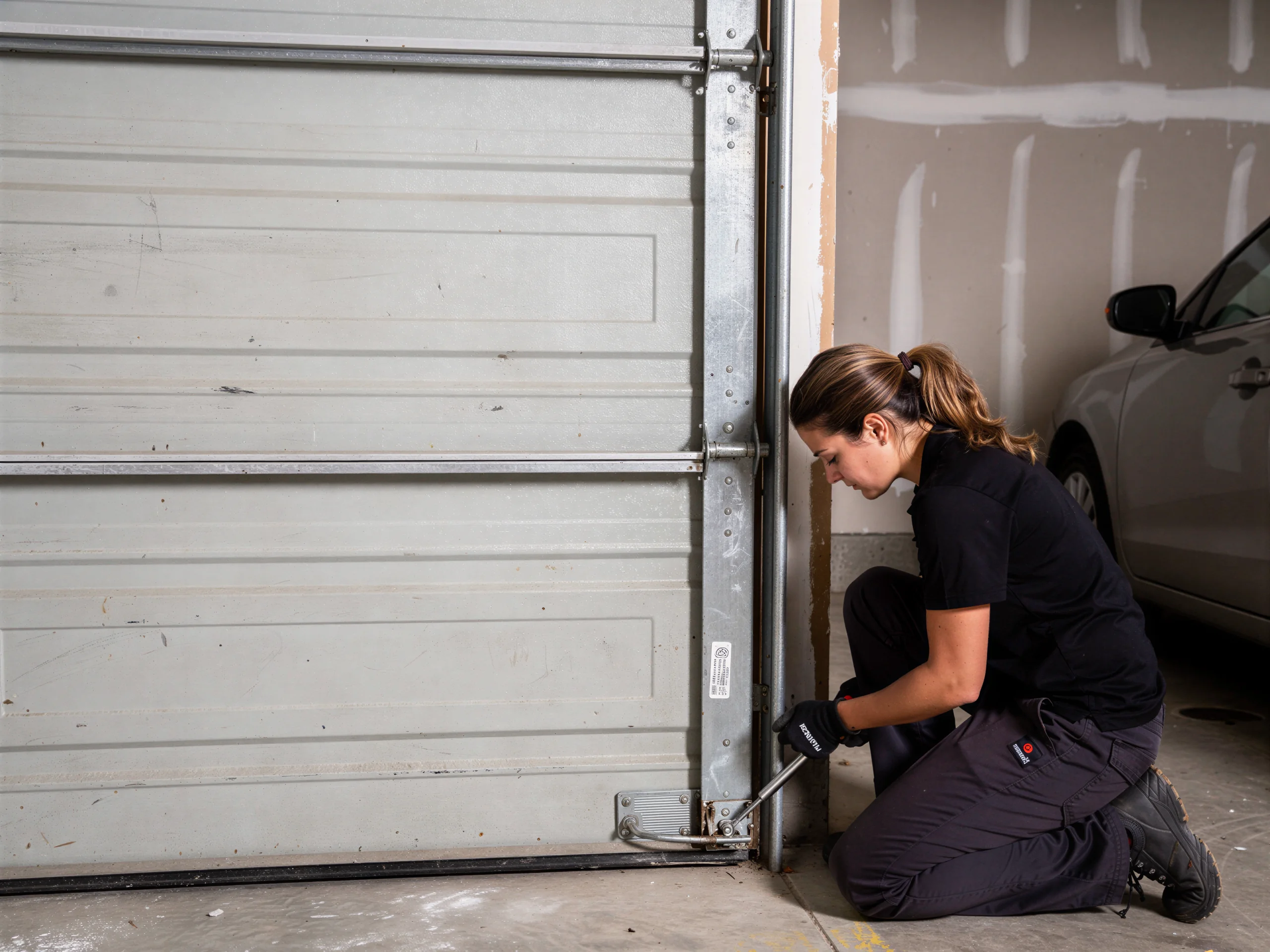
A technician kneels, adjusting the bottom roller of a white garage door.

Why Garage Doors Fail Fast in Plainfield's Cold Winters

Stuck or broken garage door in Plainfield, IL? Learn more →
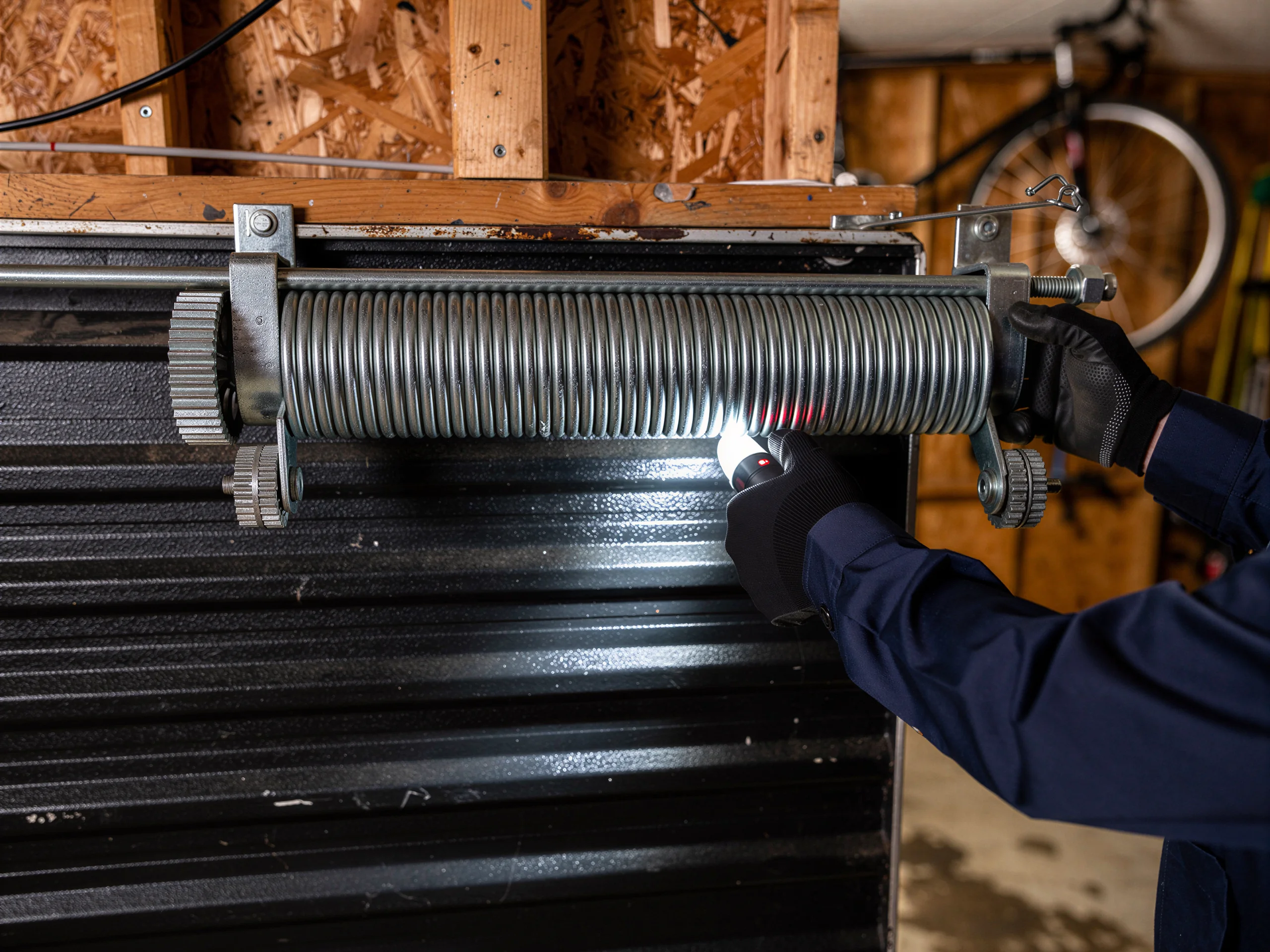
A technician's gloved hands adjust a garage door torsion spring with a flashlight.

Broken Garage Door Springs: What's Really Going On and Why It Happens Here

Broken torsion or extension spring on your Plainfield-area garage door? Learn more →
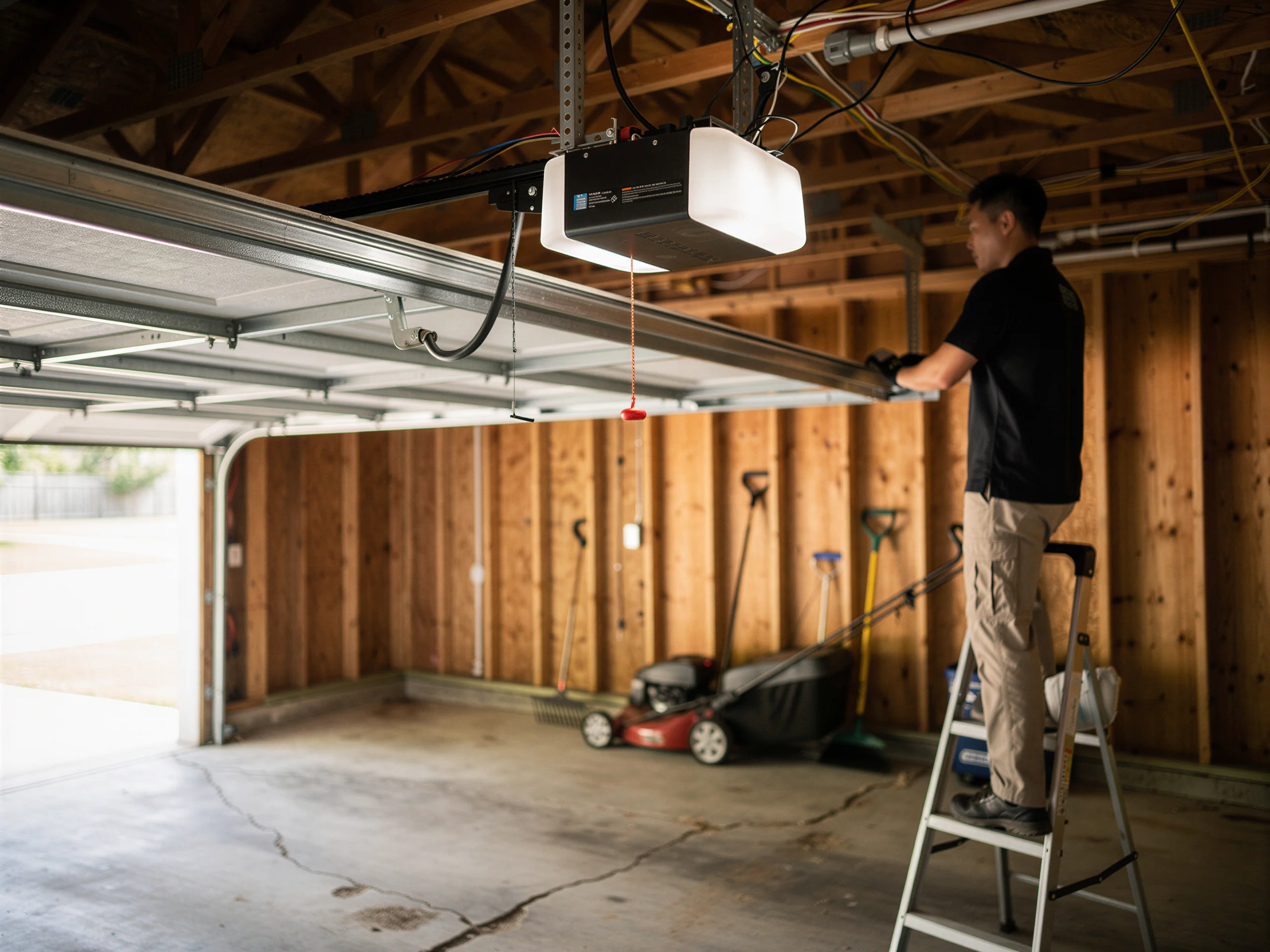
A technician on a ladder works on a garage door opener and track.

When the Opener Quits on a Plainfield Garage Door

Garage door opener repair for Plainfield, IL homeowners built 1958-2004, from chain-drive swaps to circuit board failures that worsen in cold winters. Learn more →
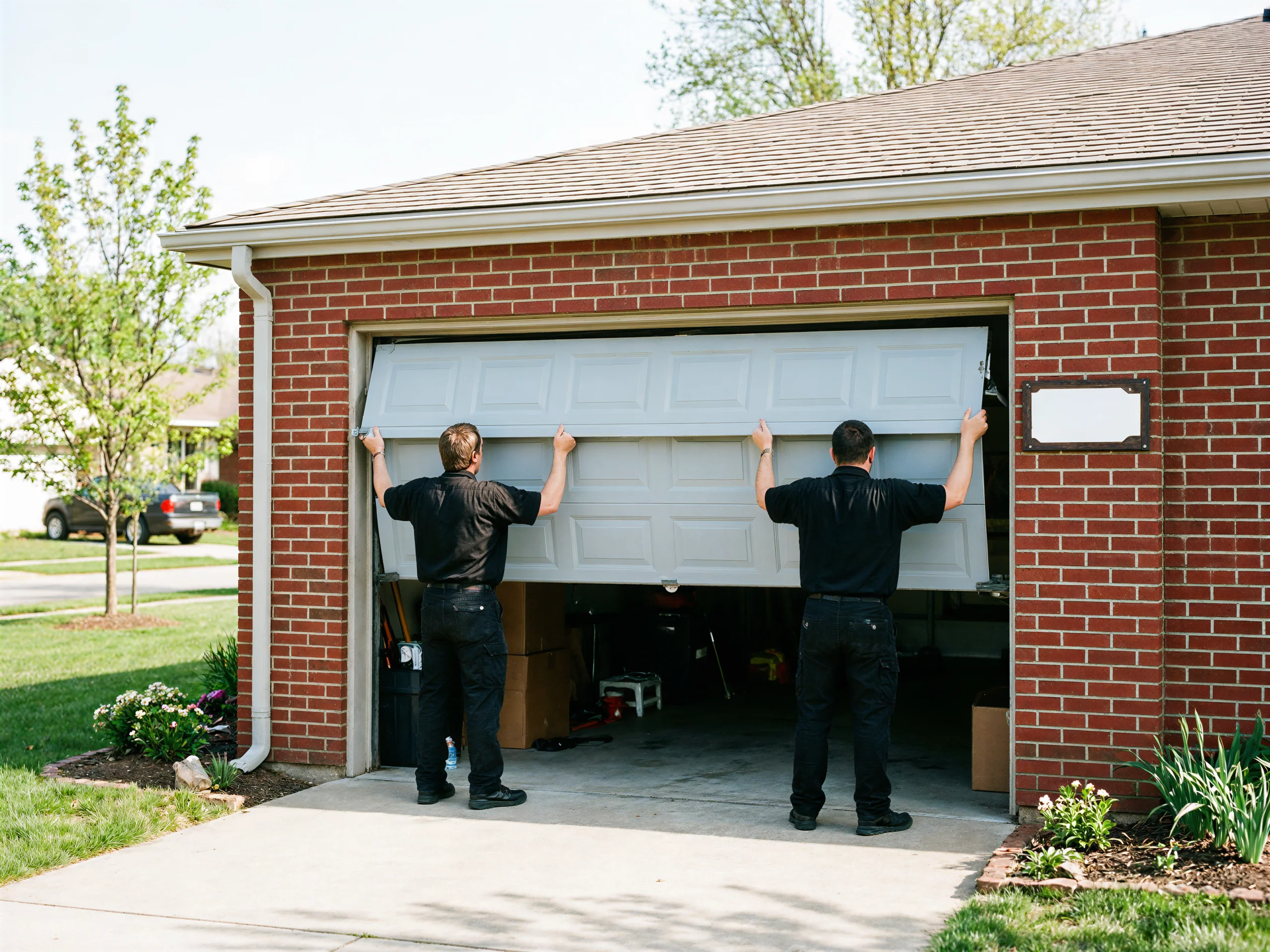
Two technicians are installing a light gray garage door on a brick house.

Garage Door Installation for Plainfield Homes

Replacing a worn garage door in Plainfield means matching new hardware to 1980s-era tracks and openers. Learn more →
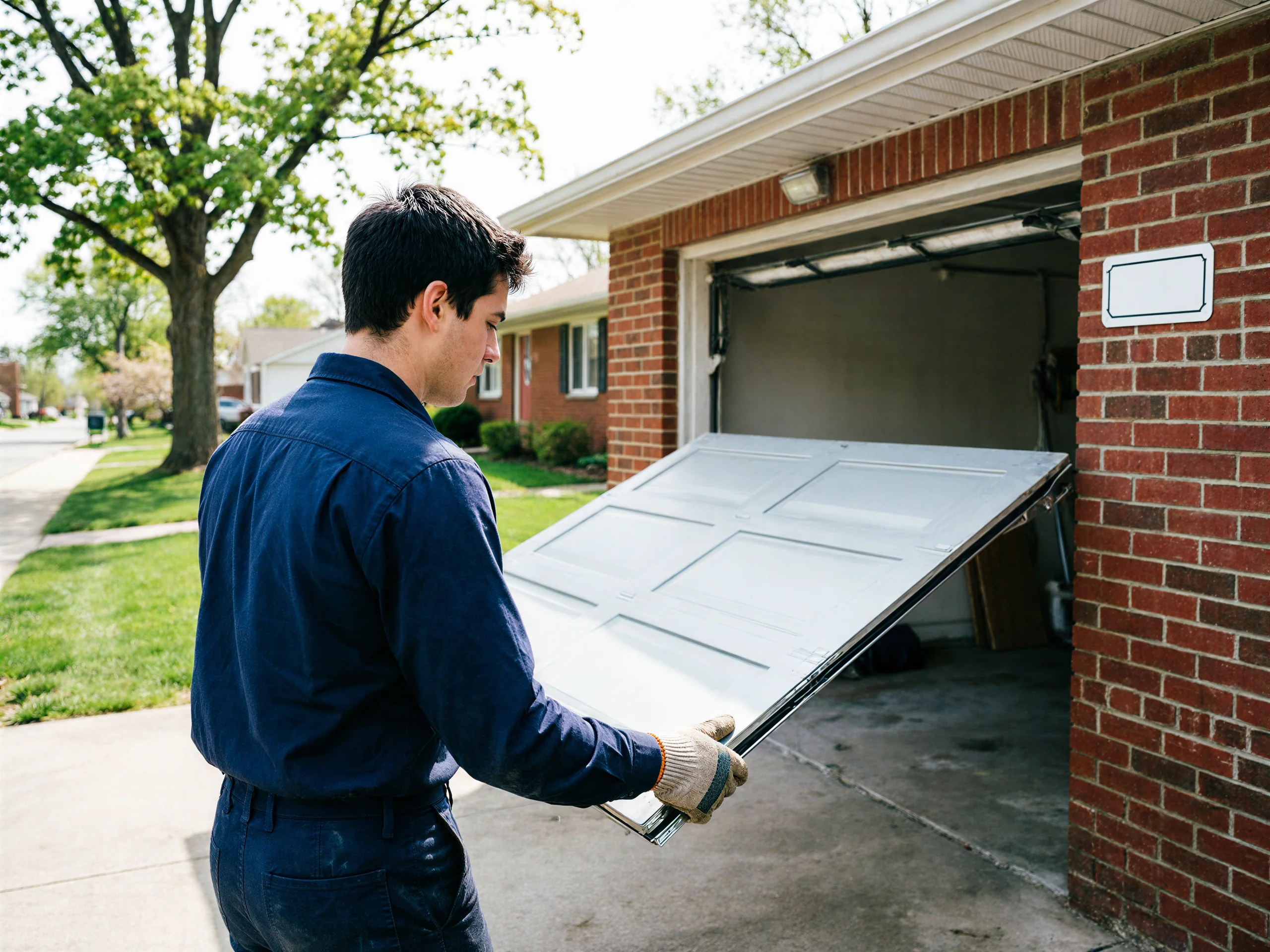
A technician in a blue uniform is carrying a white garage door panel.

Replacing a Damaged Garage Door Panel in Plainfield

A cracked or caved-in panel on a Plainfield-area garage door usually traces back to the house's age and our winters. Learn more →
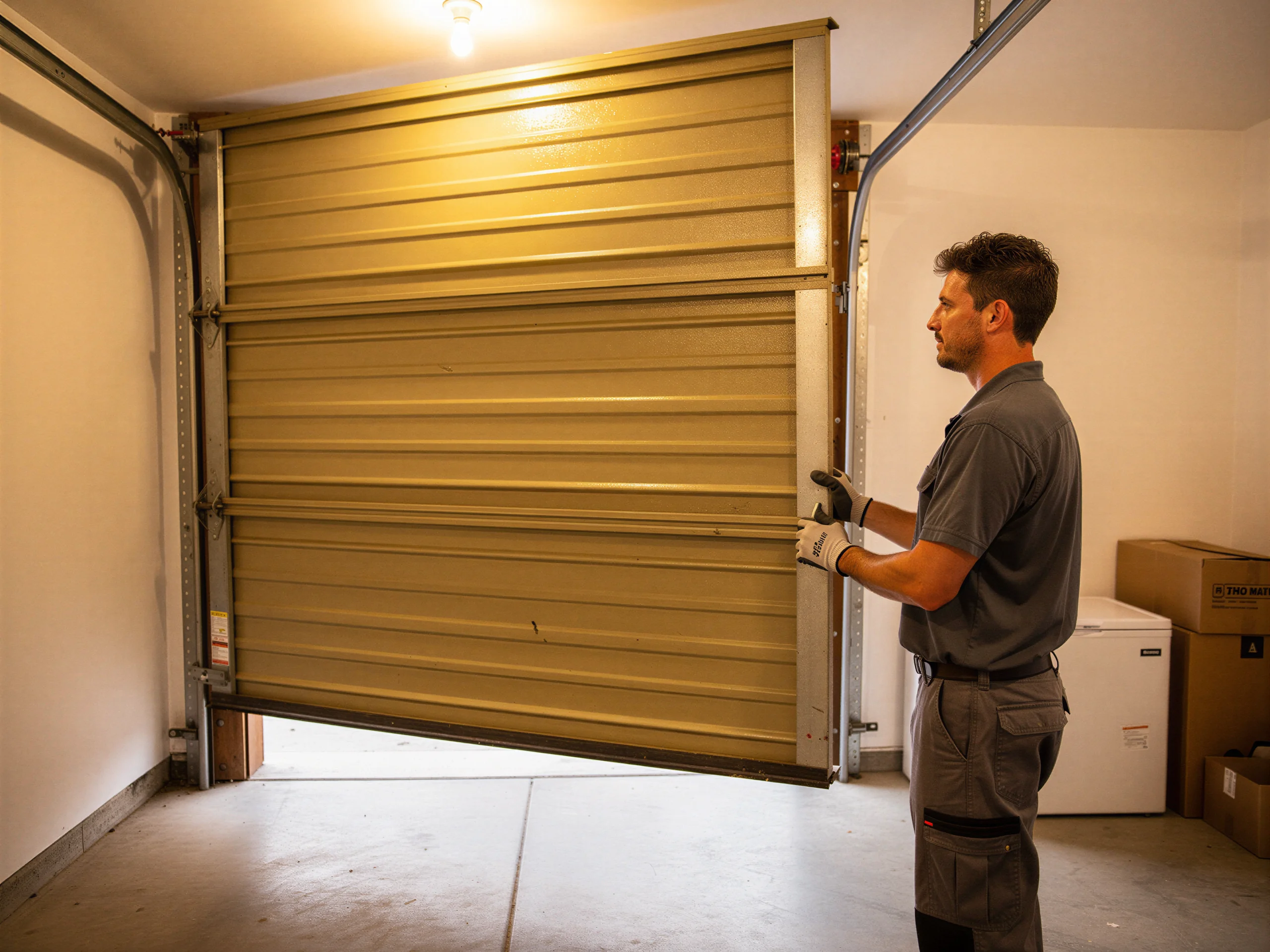
A technician in gloves is working on a partially open tan garage door.

Garage Door Service for Plainfield Homes Built in the 1980s and 90s

Garage door service in Plainfield, IL for 1980s-era torsion springs and openers worn down by cold winters. Learn more →

Ready when you are

Need a garage door sorted in Plainfield?

Plainfield Garage Door Pros repairs and installs garage doors, springs and openers in Plainfield, IL and the surrounding area.

CallGet a quote