Blog
A Door Built Between 1958 and 2004: Fix It or Replace It?
In Plainfield, most houses went up between 1958 and 2004, median 1985 - here's how to judge whether your door's spring, panel, or opener is worth fixing.
Doing Nothing For Now
Plenty of doors in this area are fine to leave alone. If the spring is original but balances correctly, if the opener still reverses on contact, and the panels aren't dented through to the insulation, there's no reason to spend money today. Most of the housing stock here went up between 1958 and 2004, with the median landing around 1985, which means a big share of doors are somewhere in that 20-to-45-year window where steel panels and torsion springs are still doing their job even if they look dated. A door that opens smooth, seals at the bottom, and doesn't bind in the track doesn't need a call. We'd rather tell you to wait than sell you a service visit you don't need. The exception is anything safety-related - frayed cable, a spring that's visibly stretched or gapped, an opener with no auto-reverse. Those don't wait, regardless of how good the rest of the door looks. But cosmetic wear, a little surface rust on a 1980s-built door, or a slightly noisy roller on an otherwise sound track - that's maintenance, not an emergency, and it's reasonable to sit on it for another season.
What Local Conditions Do
This is a cold moderate climate, and that matters more for a garage door than most homeowners expect. Steel panels contract in winter and expand again in summer, and on a door built in the 1980s or 90s the foam-fill bonded to that steel starts to separate from the skin after enough freeze-thaw cycles - you'll hear it as a hollow rattle on a panel that used to be solid. That's a repair call, not a replacement call, as long as it's one or two panels and the frame underneath is straight. Cold is also hard on springs. A torsion spring loses tension faster when it's cycling through real temperature swings, which is standard here, so a spring that's lasted 15-20 years on a Plainfield-era build is doing about what you'd expect, not failing early. Where it gets worse is the bottom seal - a cracked or flattened astragal lets cold air straight into the garage, and on an attached garage that shows up as a cold wall in the house above it. That's a five-minute, low-cost fix, and it's one of the few repairs that pays for itself the same winter you do it.
What It Costs
We don't have a flat number to give you here, and we'd rather say that than make one up. What we can tell you is how the math tends to work. With median household income in this area at $109,064, a full door replacement isn't usually a financial stretch for most owners here - but that's exactly why it's worth checking whether a repair gets you the same result for a fraction of the price. A spring, a cable, a bottom seal, or a bent track section are all repairs, not replacements, on a door that's otherwise sound. Where repair stops making sense is when the door itself - the panel material, not the hardware - is failing: rust-through, warping, or insulation that's fully separated across more than a couple panels. At that point you're paying repair money toward a door you'll replace anyway within a year or two, and that's the one case where we'll tell you to skip the repair and put the money toward the new door instead.
What Is Going On
Across the service area - roughly 112,206 owner-occupied houses out of 210,900 households total - a lot of garage doors are reaching the same age at the same time, because the building happened in a fairly concentrated window, mostly the 1980s and 90s. That means a wave of torsion springs, openers, and foam-core panels are all hitting end-of-life together rather than being spread evenly across decades. It's not unusual for us to see the same failure - a spring that's done its 10,000 cycles, an opener board that won't take a new remote - on three houses on the same block, because they were built the same year. We cover this stretch out past Boulder Hill and Romeoville, both about 7 miles off, and the hardware doesn't change much between here and there - same era, same brands, same common failure points. If your house falls in that main build window, the door is probably original or close to it, and knowing that age is most of what decides repair versus replace.
Questions
Common questions
How do I know if my garage door is original to the house?
If your house was built in the window most of this area went up in - 1958 to 2004, with a lot concentrated around the 1980s and 90s - and the door has never been swapped, it's likely original hardware even if the panels have been painted. A quick way to check is the spring: original torsion springs from that era rarely have a date sticker, newer replacements usually do.
Is it worth fixing a door from the 1980s or does it need to be replaced?
Usually worth fixing if the panels are solid and the problem is a spring, cable, roller, or opener part. Replace it when the steel itself is failing - rust-through or insulation separated across multiple panels - since at that point repair money is just delaying a replacement you'll need anyway.
Why does my garage feel colder in winter even though the door looks fine?
In a cold moderate climate like this one, the bottom seal is usually the culprit, not the door panels. A cracked or flattened seal lets cold air in along the full width of the door, which you'll feel most on an attached garage. It's a cheap fix and one of the few repairs that pays for itself that same winter.
Recommendation
You Might Also Like
More garage door guides for Plainfield homeowners.
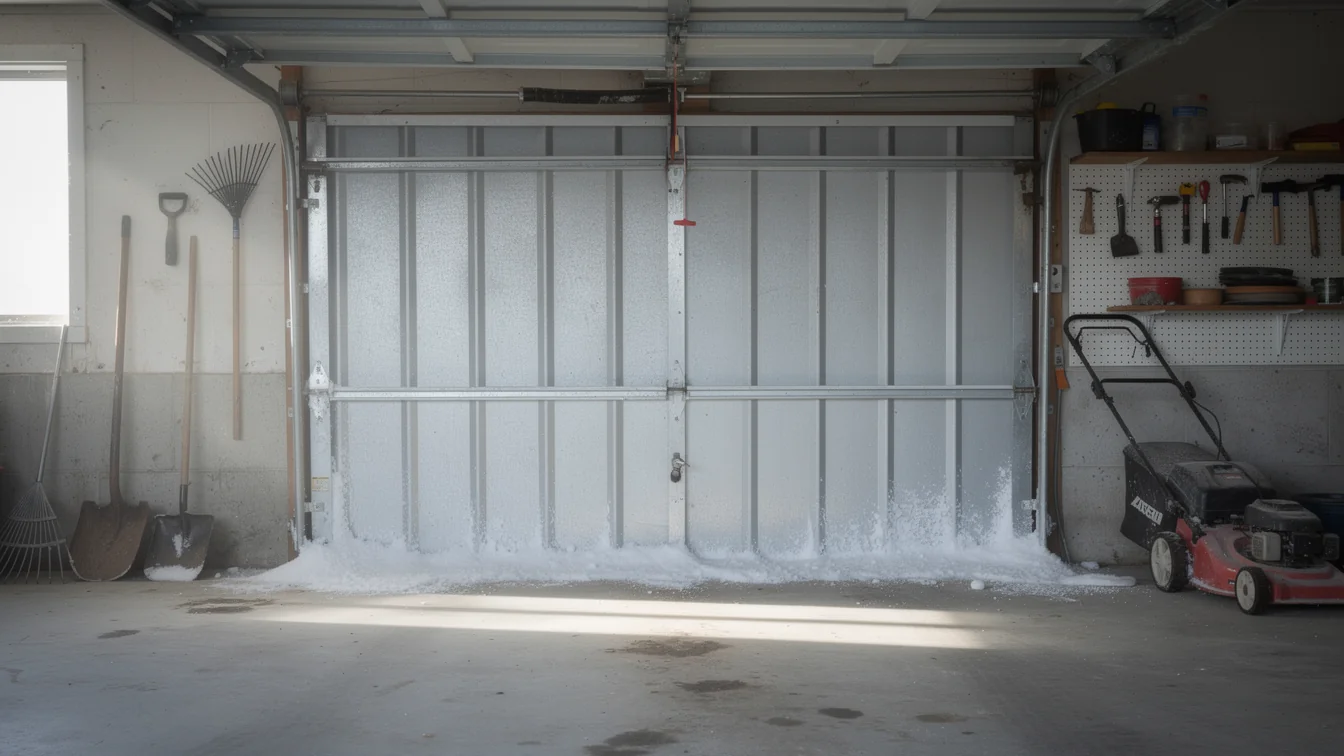
When the Power Goes Out, Your Opener Doesn't Know It's Plainfield
Plainfield homes built mostly between 1958 and 2004 carry openers that react differently to power cuts than new models.
Read guide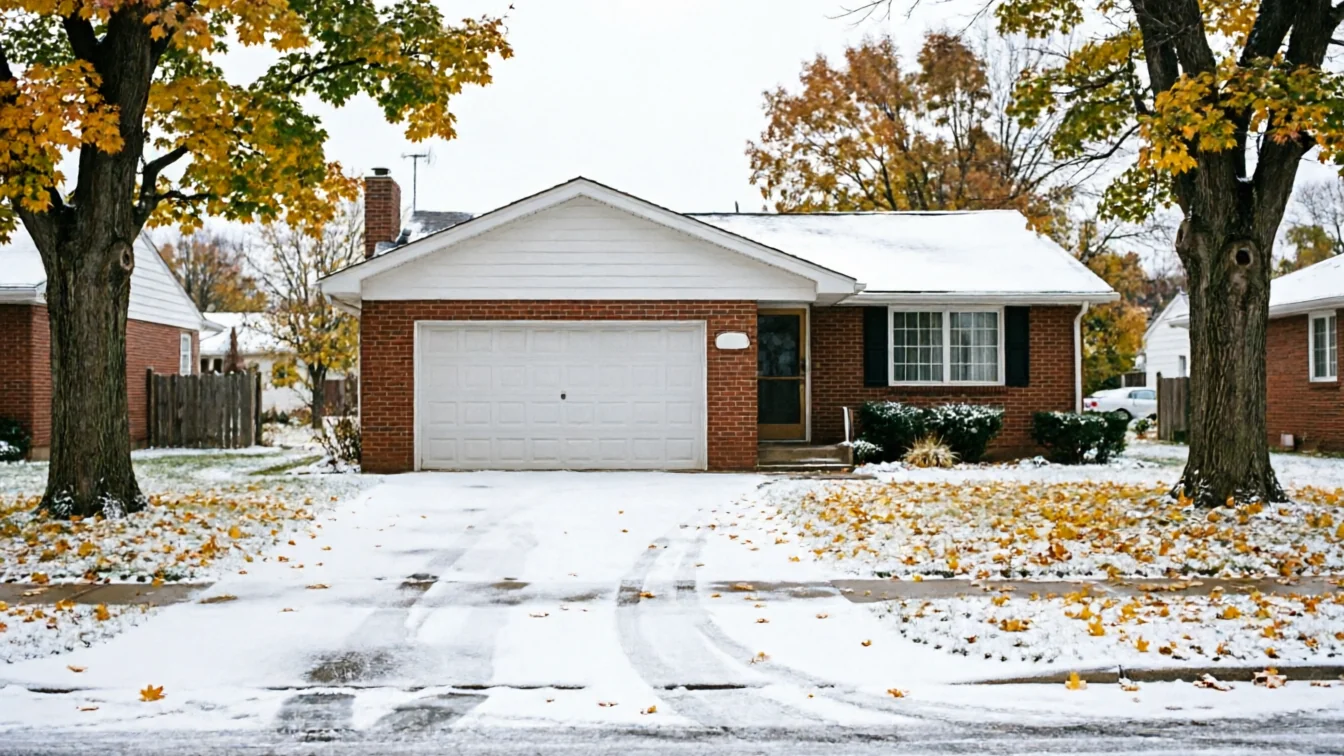
What a Replacement Door Looks Like on a Plainfield House
Most Plainfield houses date to 1958-2004, with a lot of 1980s stock.
Read guide
Why So Many Plainfield Garages Still Have Uninsulated Doors
Plainfield homes built from 1958 to 2004, median 1985, often have garage doors from before insulation standards were common.
Read guideReady when you are
Need a garage door sorted in Plainfield?
Plainfield Garage Door Pros repairs and installs garage doors, springs and openers in Plainfield, IL and the surrounding area.