Blog
What a Replacement Door Looks Like on a Plainfield House
Most Plainfield houses date to 1958-2004, with a lot of 1980s stock. Here's what that means for a replacement door, what drives cost, and when to wait.
Doing Nothing For Now
If your door still opens and closes without a fight, you don't need to replace it just because it's old. A lot of the doors we see on houses built in the 1980s and 90s are original steel sectional doors, and plenty of them still run fine on new rollers and a serviced opener. Replacement makes sense when the panels are rusting through at the bottom, the insulation core has separated from the skin, or the track is bent badly enough that no amount of adjustment keeps it straight.
Here's the honest part: if your house was built anywhere in that 1958-2004 range and the door has never been touched, you're likely looking at a single layer of steel with little to no insulation value, because that's what builders put in during that period. That's not a defect, it's just the standard of the time. Whether that's worth fixing versus replacing depends on how bad the specific problem is, not on the door's age alone. We'll tell you straight if a repair will hold for a few more years or if you're about to pay twice.
What Local Conditions Do
This area sits in a cold climate band, which means winter is the real test for any garage door, not summer. Cold snaps shrink steel panels and stiffen the lubricant in rollers and hinges, and an old single-layer door with no thermal break will transfer that cold straight into an attached garage, which is often also attached to the house. If your garage shares a wall with a living space, an uninsulated original door is doing more to your heating bill than most people realize. Cold also affects torsion springs. Steel contracts when it's cold, which raises tension on a spring that's already near the end of its cycle life, and that is usually when a spring picks to break, not in July. None of this means your door is unsafe to use. It means that in a market with weather like ours, the specs that matter on a replacement door are the R-value of the insulation and the gauge of the steel, more than the color or the window style.
What It Costs
We don't have a flat number to give you here because it swings on door size, insulation level, and whether the opener and track need work too, and we're not going to make one up. What we can tell you is what drives the number up or down. A double-wide door costs more in material than a single. Higher R-value insulation costs more than a basic polystyrene core. And if your existing track or opener is original to a house built decades ago, replacing just the door while leaving worn hardware in place is often a mistake that costs more later.
Median household income across this service area runs over six figures, and we see that reflected in what homeowners choose: more people here opt for a better-insulated door up front rather than the cheapest option, because they plan to stay in the house and the payback shows up in comfort, not just resale. That's a trend we see, not a rule, and your own budget is the one that matters.
What Is Going On
Across the 36 named areas that make up this region, the housing stock is heavily 1980s and 90s, with the overall range running from 1958 up to newer builds in 2004. That matters for replacement doors because it tells you what you're actually dealing with before a truck shows up: original hardware sized to older door weights, track mounted the way builders did it thirty or forty years ago, and openers that may have been swapped once already without the door itself ever being touched.
With roughly 112,000 owner-occupied houses across an area of about 211,000 households, a big share of the doors out there are approaching or past the point where a replacement starts making more sense than another repair. That's not a sales pitch, it's just the math of a housing stock that age. We're not going to tell you your door is due if it isn't. We'll look at the actual panel, spring, and track in front of us and tell you what we'd do in your spot.
Questions
Common questions
How do I know if my door is original to the house?
If your house was built between 1958 and 2004, which covers most of this area, check for a steel door with no foam core visible when you lift it, and a torsion spring with no manufacture date sticker. Builders in that era rarely upgraded past basic single-layer steel, so if nothing's been replaced, odds are good it's original.
Does it matter that this area is in a cold climate zone?
Yes. Cold temperatures stiffen hardware and raise tension on aging torsion springs, which is why winter is when old doors and springs tend to fail. It also means an uninsulated original door is costing you more in heat loss than the same door would in a milder climate.
Should I replace the opener when I replace the door?
Depends on the opener's age and condition, not the door's. A lot of houses in this area have had the opener swapped once already while the original door stayed in place, so the two aren't always the same age. We check both separately before recommending anything.
Is a higher-insulation door worth the extra cost here?
Given the cold winters this area gets, a better R-value core does more here than it would somewhere milder, especially if your garage shares a wall with living space. It's a bigger upfront cost, and whether it pencils out depends on how long you plan to stay in the house.
Recommendation
You Might Also Like
More garage door guides for Plainfield homeowners.
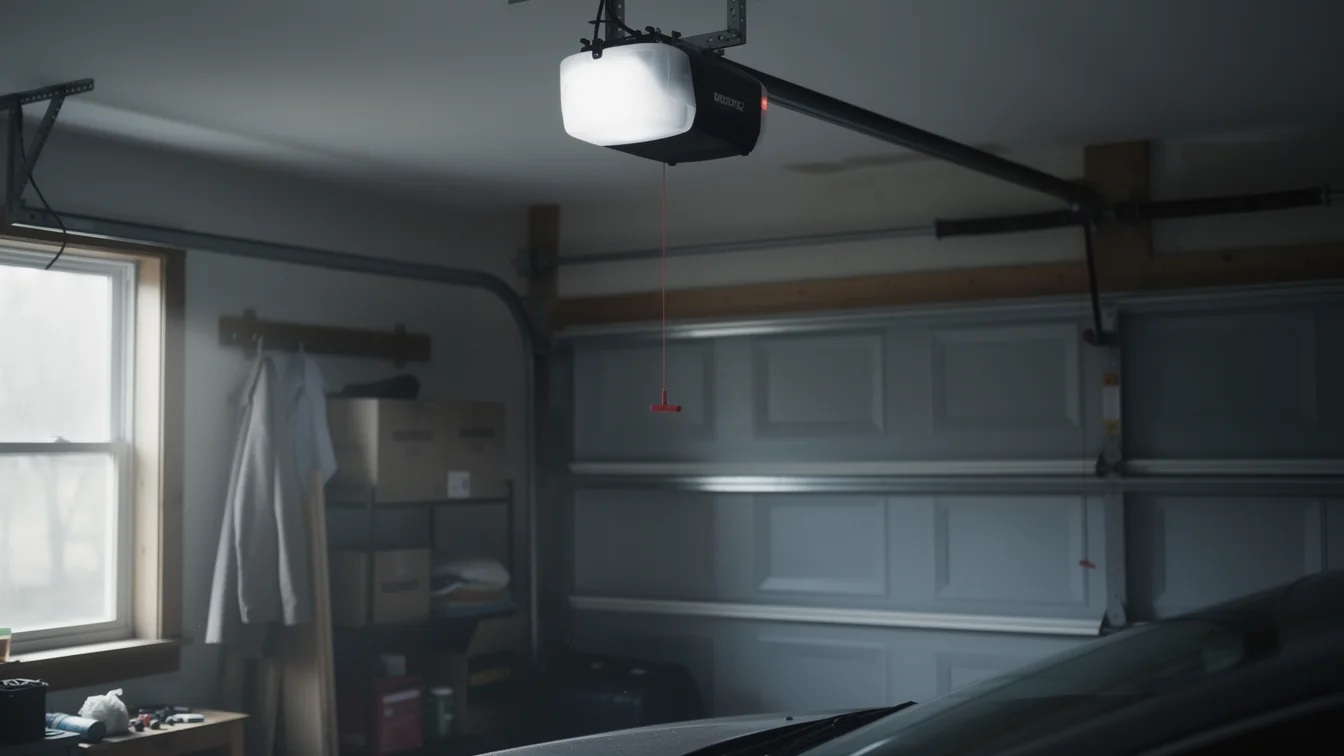
Stopping Draughts Through Old Weather Seals in Plainfield Garages
Plainfield's 1958-2004 housing stock and cold winters wear out garage door seals fast.
Read guide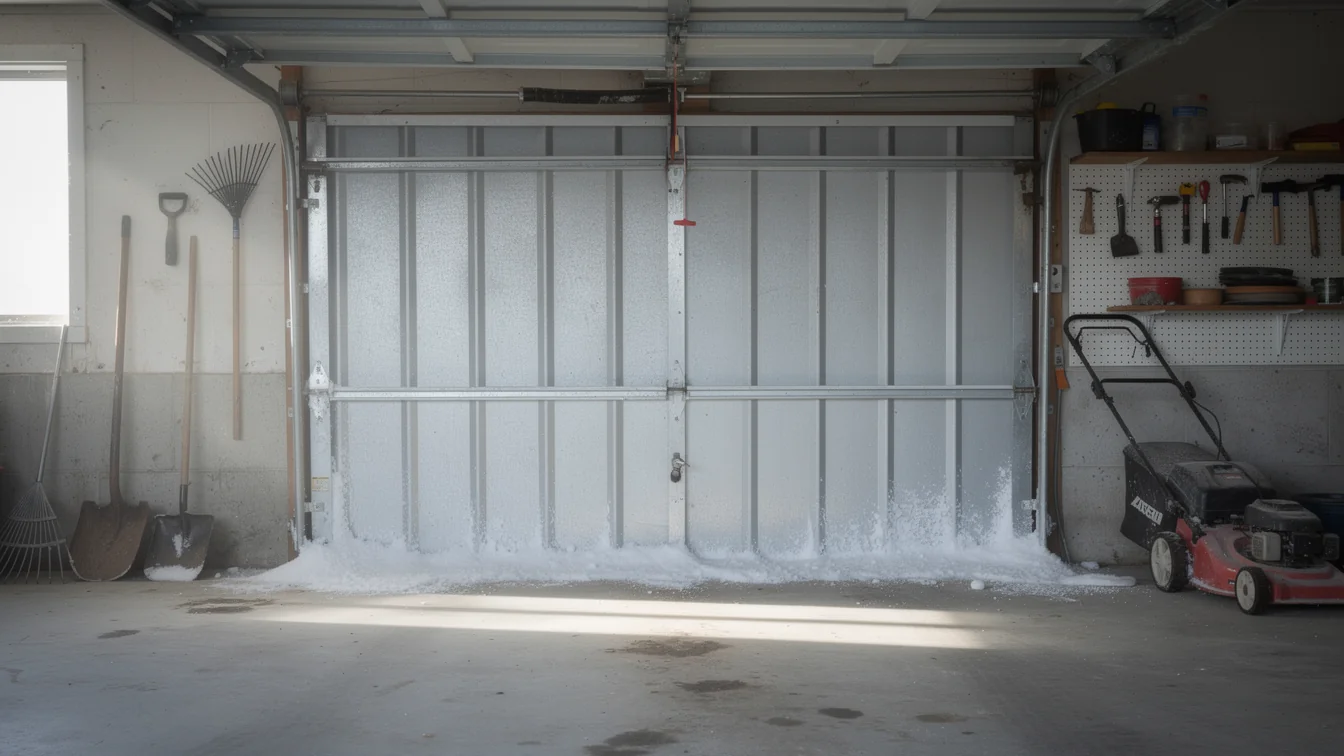
A Door Built Between 1958 and 2004: Fix It or Replace It?
In Plainfield, most houses went up between 1958 and 2004, median 1985 - here's how to judge whether your door's spring, panel, or opener is worth fixing.
Read guide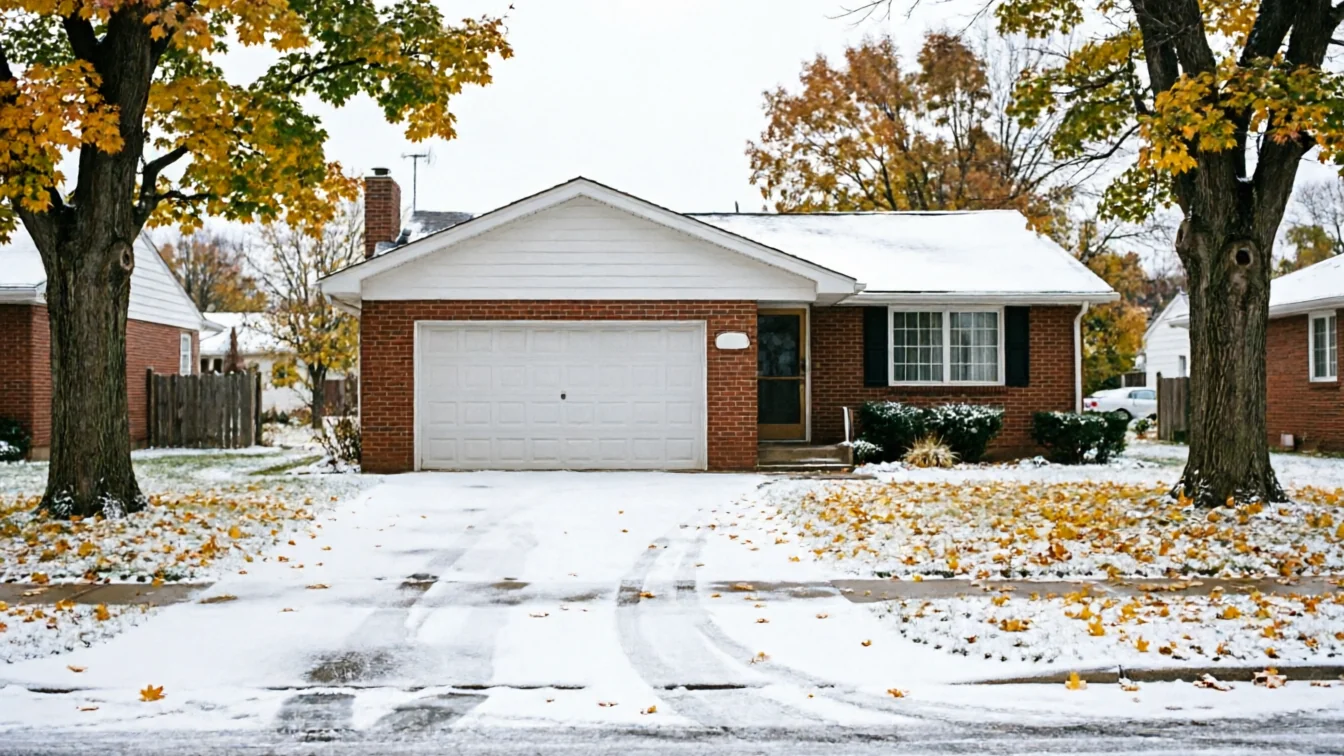
Why So Many Plainfield Garages Still Have Uninsulated Doors
Plainfield homes built from 1958 to 2004, median 1985, often have garage doors from before insulation standards were common.
Read guideReady when you are
Need a garage door sorted in Plainfield?
Plainfield Garage Door Pros repairs and installs garage doors, springs and openers in Plainfield, IL and the surrounding area.