
Scheduled wear signs
None of that is damage yet - it's wear showing up on schedule. Across the 36 named areas this company covers, most houses were built between 1958 and 2004, with the bulk going up in the 1980s and 90s.
Plainfield, IL
Most Plainfield-area homes date to 1958-2004, with heavy 1980s-90s stock and cold winters that strain springs and tracks. Here's what maintenance actually catches.
Warning signs
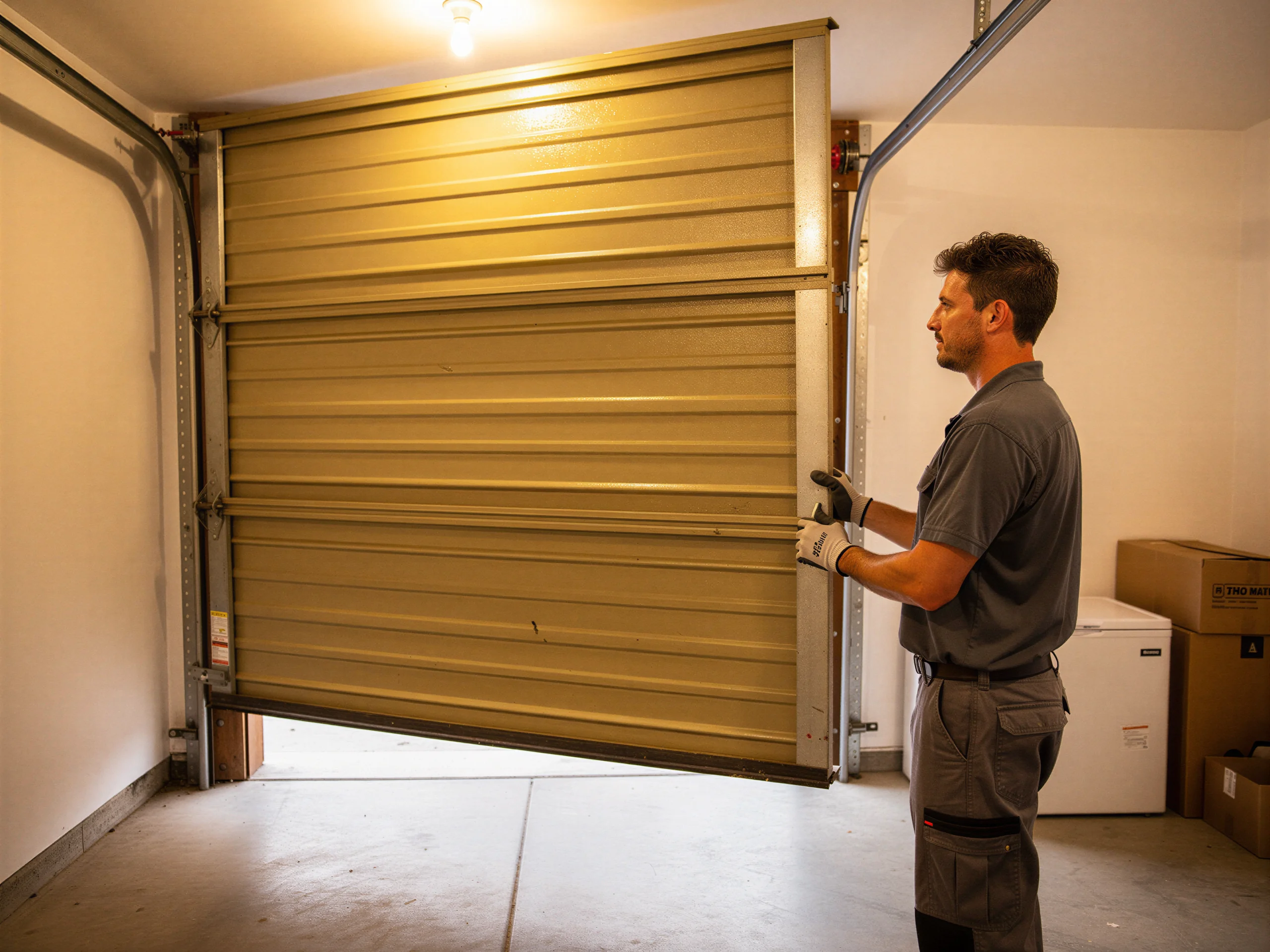
A door that used to open quiet now grinds. The opener strains a half-second longer before the chain catches. Rollers leave a faint rust trail on the track.
None of that is damage yet - it's wear showing up on schedule. Across the 36 named areas this company covers, most houses were built between 1958 and 2004, with the bulk going up in the 1980s and 90s.
That means a lot of original or first-replacement hardware is now 25 to 40 years old: steel rollers instead of nylon, single-spring setups on single doors, openers from before soft-start/soft-stop motors were standard. Maintenance on a house like that isn't cosmetic.
It's catching the spring before it snaps mid-cycle, catching the bent track before the door jumps it, catching the dry bearing before it seizes the opener gear. We're not describing a dramatic failure here. We're describing the slow stuff: fraying cable strands, a drifting limit switch, a slipping belt tension. On a door this age, in this climate, those small things compound faster than owners expect.
Downtime
Routine maintenance itself doesn't take the door out of service for long - most of the check is done with the door down or cycling it a few times. The real downtime question is what maintenance is trying to prevent: the morning a torsion spring lets go, or a cable jumps the drum, and now the door won't move at all until a tech gets out and the part is on the truck.
In a cold-climate service area like this one, winter is when deferred maintenance turns into a no-opener morning. Grease that was fine in August stiffens in a cold garage, a spring that was already fatigued takes the extra load of a heavier, cold door, and something that was one season from failing fails on the day it's 10 degrees out. A maintenance visit a season ahead of that is a lot less disruptive than an unplanned one.
DIY or pro
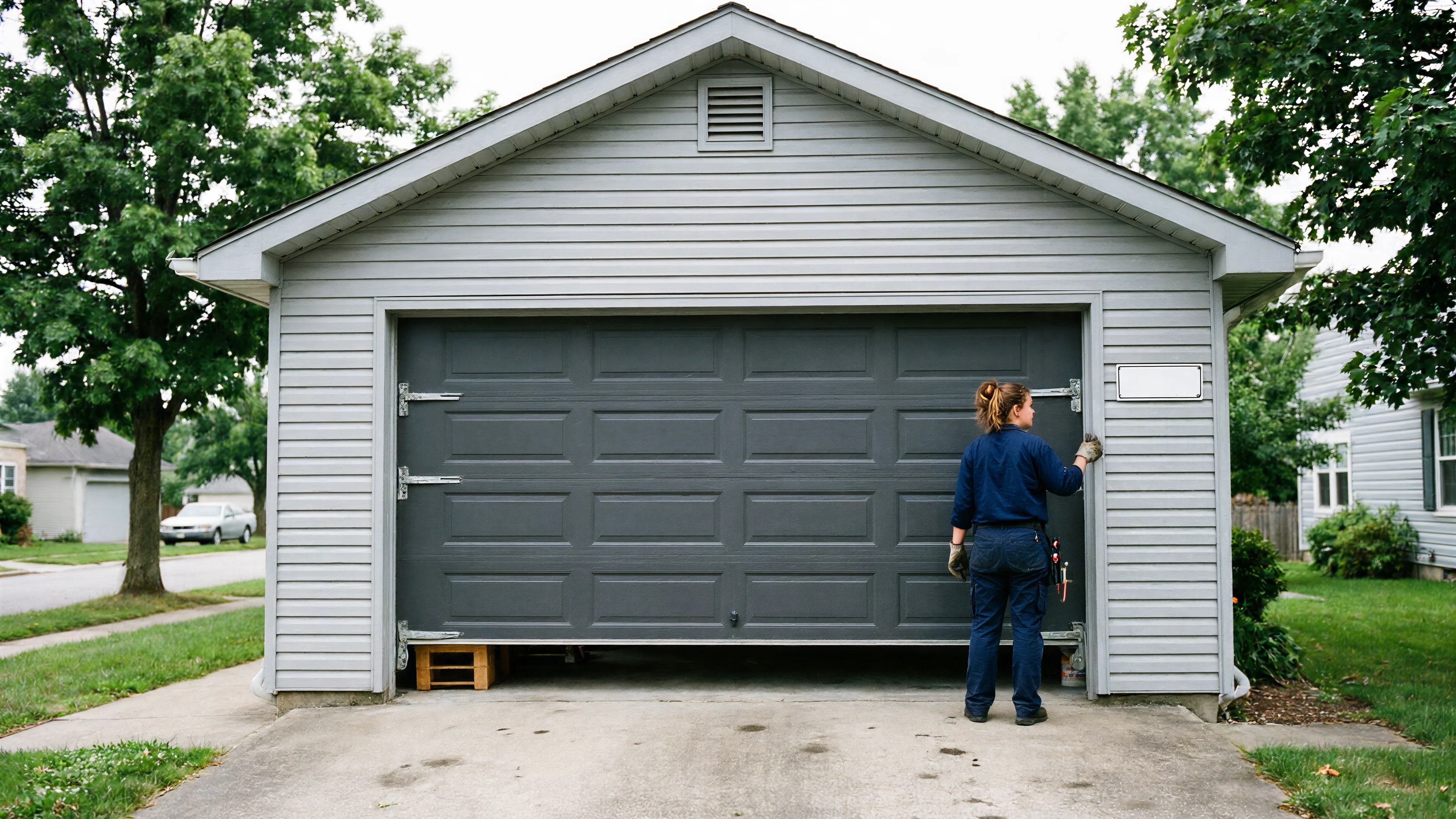
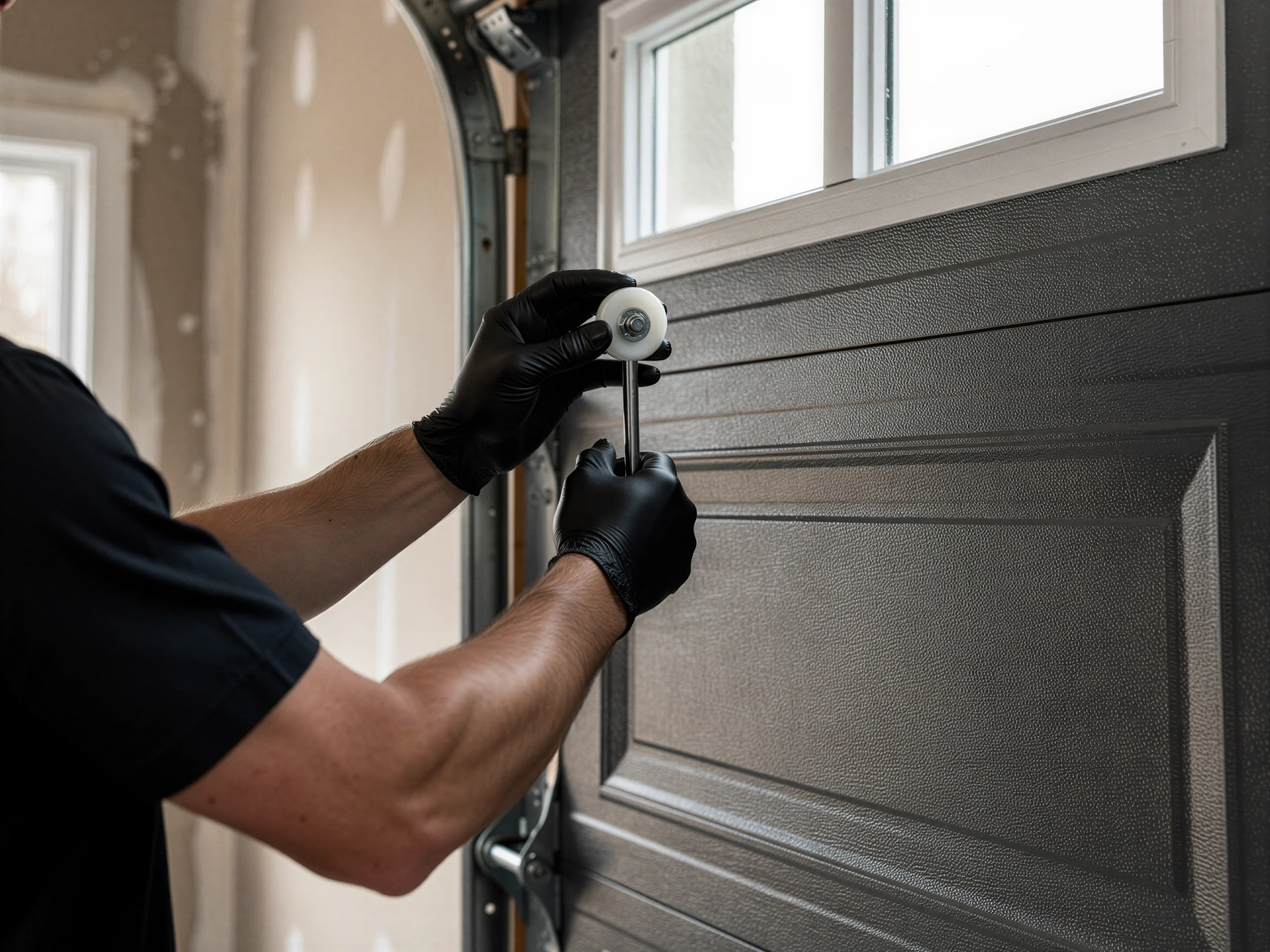
Some of it, yes. Wiping down and lightly lubricating rollers and hinges, checking that the photo-eye sensors are aligned and clean, listening for new noises, visually checking cables for fraying strands near the bottom bracket - an owner can do all of that without special tools.
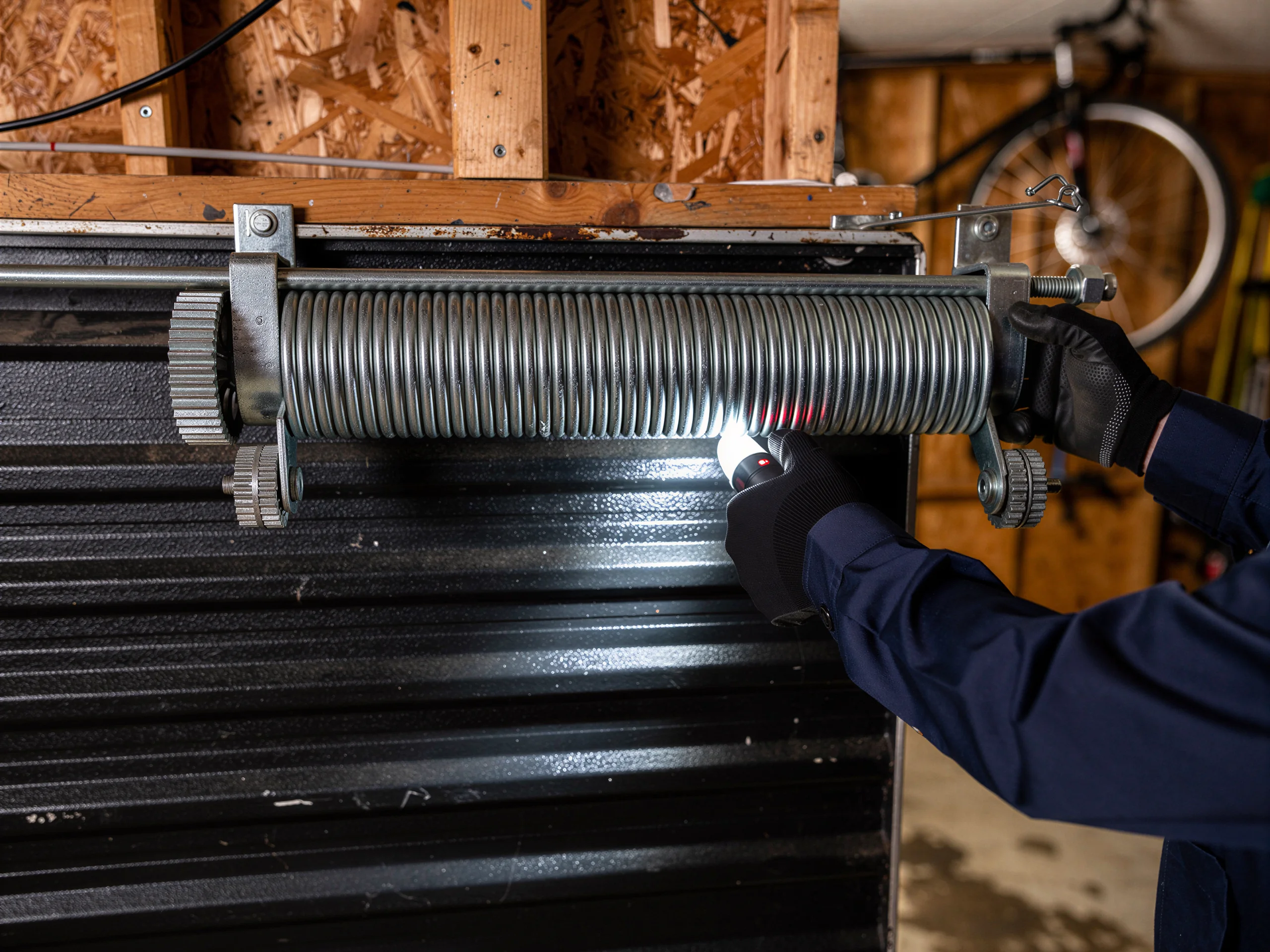
What you shouldn't do yourself: anything involving the torsion spring itself, or adjusting spring tension. That spring is wound under enough force to cause a serious injury if it lets go while you're working near it, and on houses in this area with original 1980s-era single-spring setups, that spring has had decades to fatigue.
Track alignment and cable replacement are also jobs where a mistake doesn't just cost you a repair call - it can let the door fall. We'll say plainly: a full inspection catches things a homeowner walkthrough won't, like a cable that's 90% frayed but hasn't shown it yet, or a drum that's starting to walk. If your door is original to a house built in the 1980s or 90s, that's worth more than a visual check.
Local causes
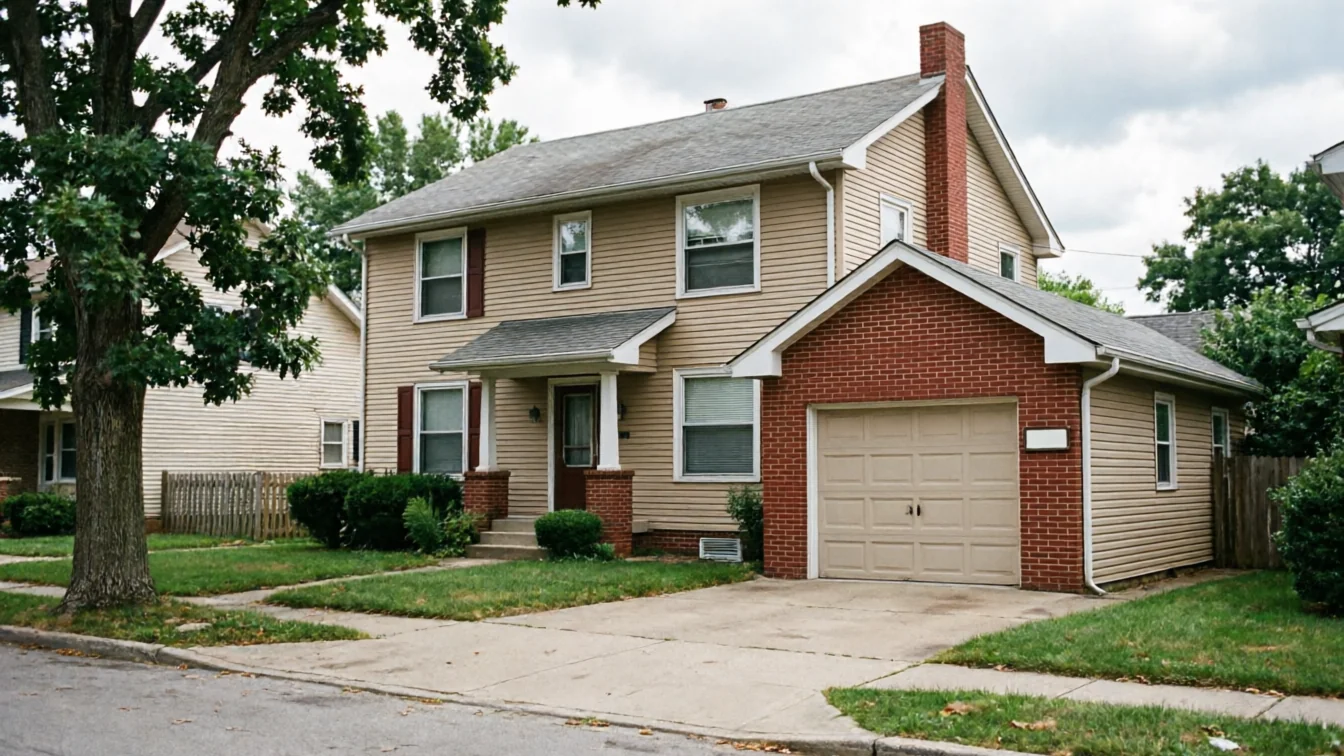
Two things stack up in this service area that don't in a newer or milder market. First, the housing stock: median build year 1985, with most of the surrounding towns - from Romeoville and Crest Hill a few miles out to Geneva and Burr Ridge further afield - sharing that same 1958-2004 build window. A huge share of garage doors and openers in this area are old enough to be past their designed service life, not because owners neglected them, but because the hardware is simply that age.
Second, the cold moderate climate band this area sits in means real seasonal swings: summer humidity that swells wood panels and winter cold that stiffens lubricant and makes steel more brittle under load. A spring or cable that's marginal in July can fail in January because the cold adds stress right when the fatigue is worst. Maintenance timed around that seasonal shift - before the first hard cold snap - catches more than a once-a-year check scheduled at random.
Questions
Once a year is the baseline most owners here need, timed before winter hits so cold-weather stress doesn't catch a fatigued spring or dry track off guard. Older doors - anything from that 1958-2004 housing wave that's now pushing original hardware - can benefit from a check every six months instead.
Depends on what the inspection finds. If the track, drum, and opener gears are in decent shape and it's really just the spring and rollers showing age, maintenance plus a spring swap can buy years. If the track is bent or the opener motor is failing too, you're often better putting that money toward replacement instead.
Cold doesn't break a healthy spring, but it adds load right when an already-fatigued spring is weakest - steel gets more brittle as it gets colder, and a heavier, stiffer door in winter puts more stress on the wind. That's why spring failures cluster in the coldest months in this climate band rather than spreading evenly through the year.
Explore more
Ready when you are
Plainfield Garage Door Pros repairs and installs garage doors, springs and openers in Plainfield, IL and the surrounding area.