
Bracket-to-track adapters
That gap matters: a bracket or drum made for mid-80s hardware doesn't always bolt straight onto a 1972 track without an adapter or a mount swap, and that adds time to a job that looked simple on the phone.
Glen Ellyn, Plainfield
Glen Ellyn homes mostly went up around 1972, a decade ahead of Plainfield's own stock. We drive the 19 miles out to fix the hardware that era left behind.
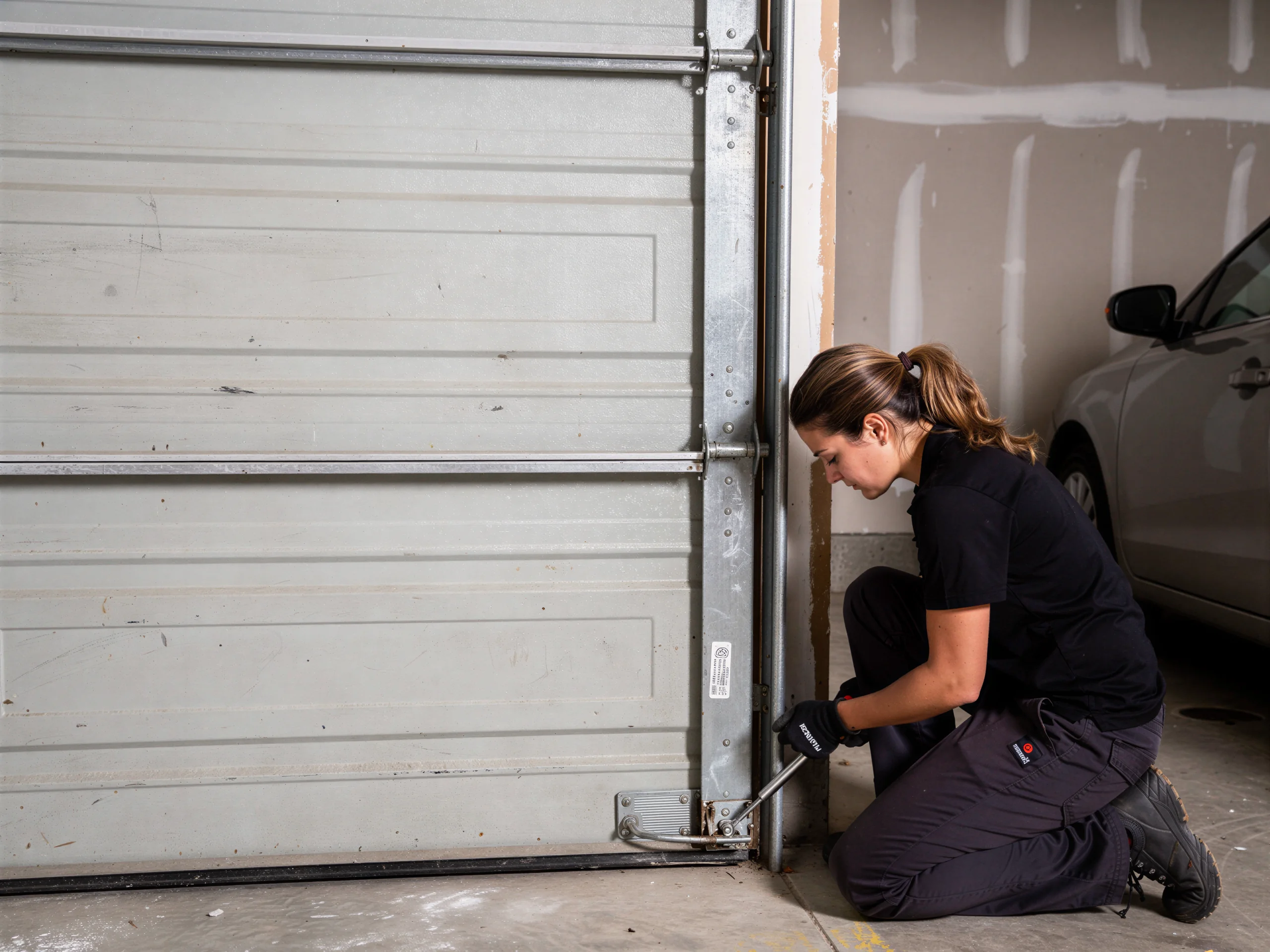
The repair
Glen Ellyn's median build year sits around 1972, which puts a lot of these garages a decade or more ahead of the newer construction we see closer to Plainfield.
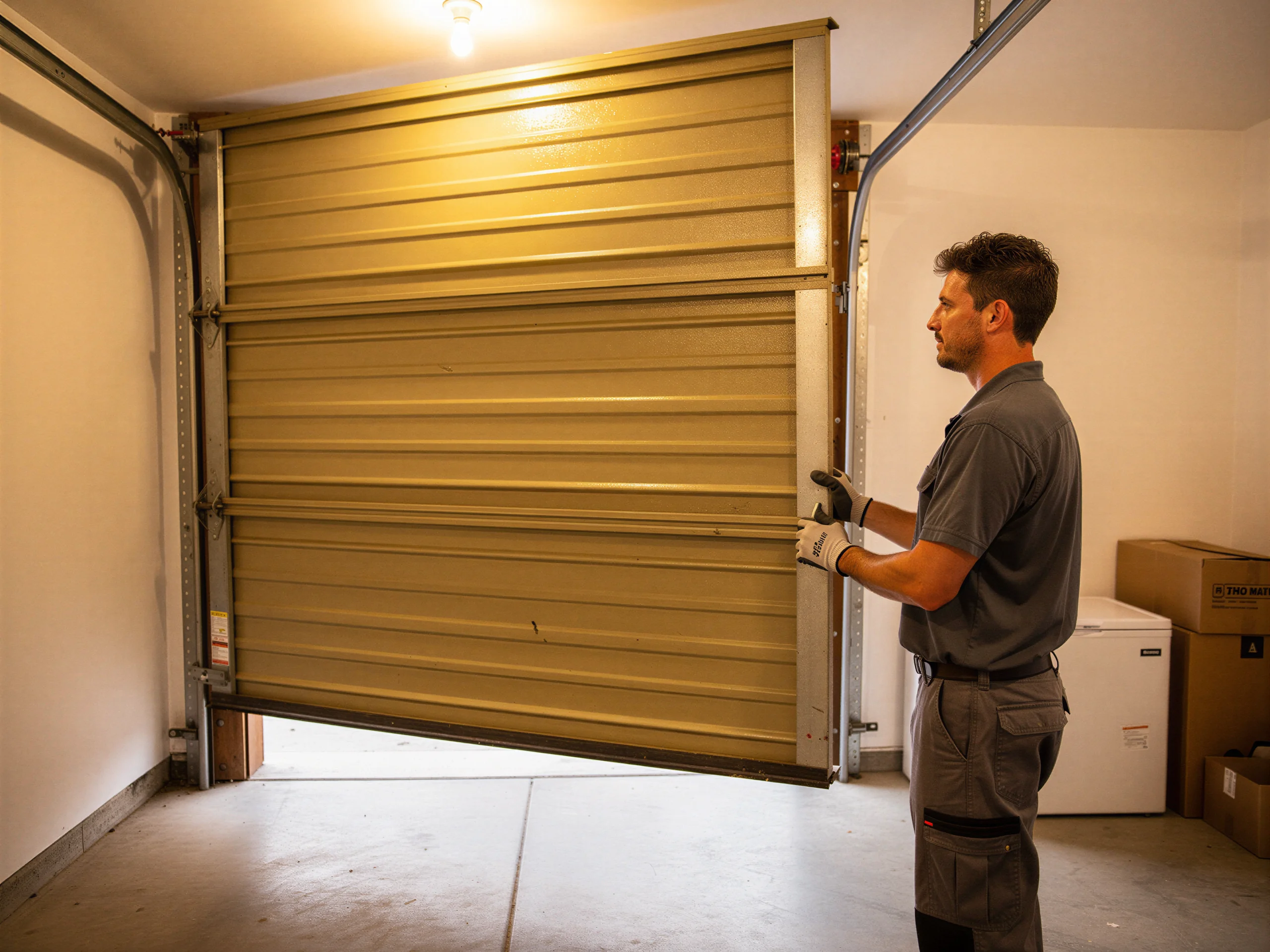
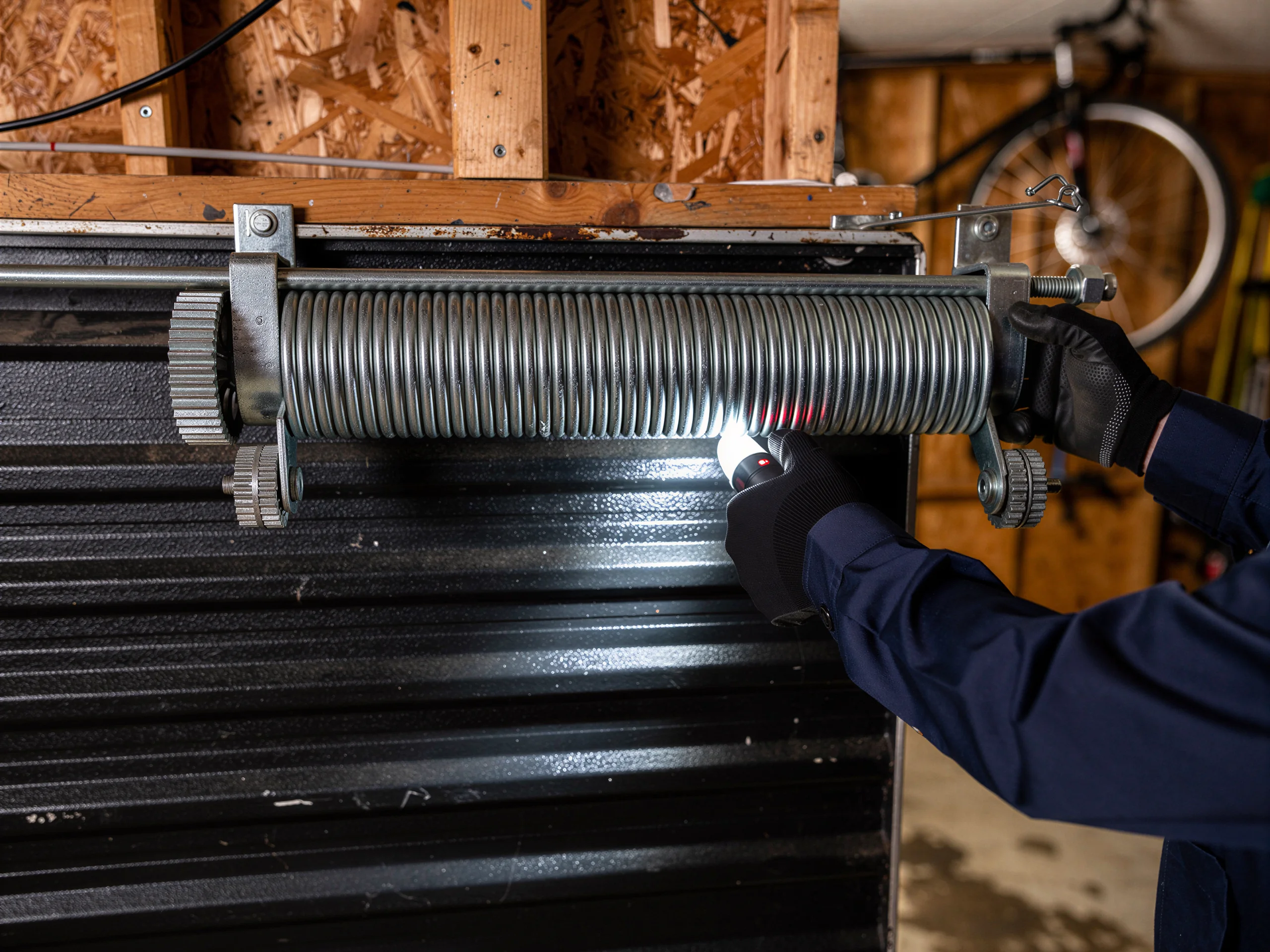
A door installed in 1972 and never swapped means the original track brackets, the original hinges, and in a fair number of cases the original torsion spring are still hanging there doing the job they were never meant to do for fifty-plus years.
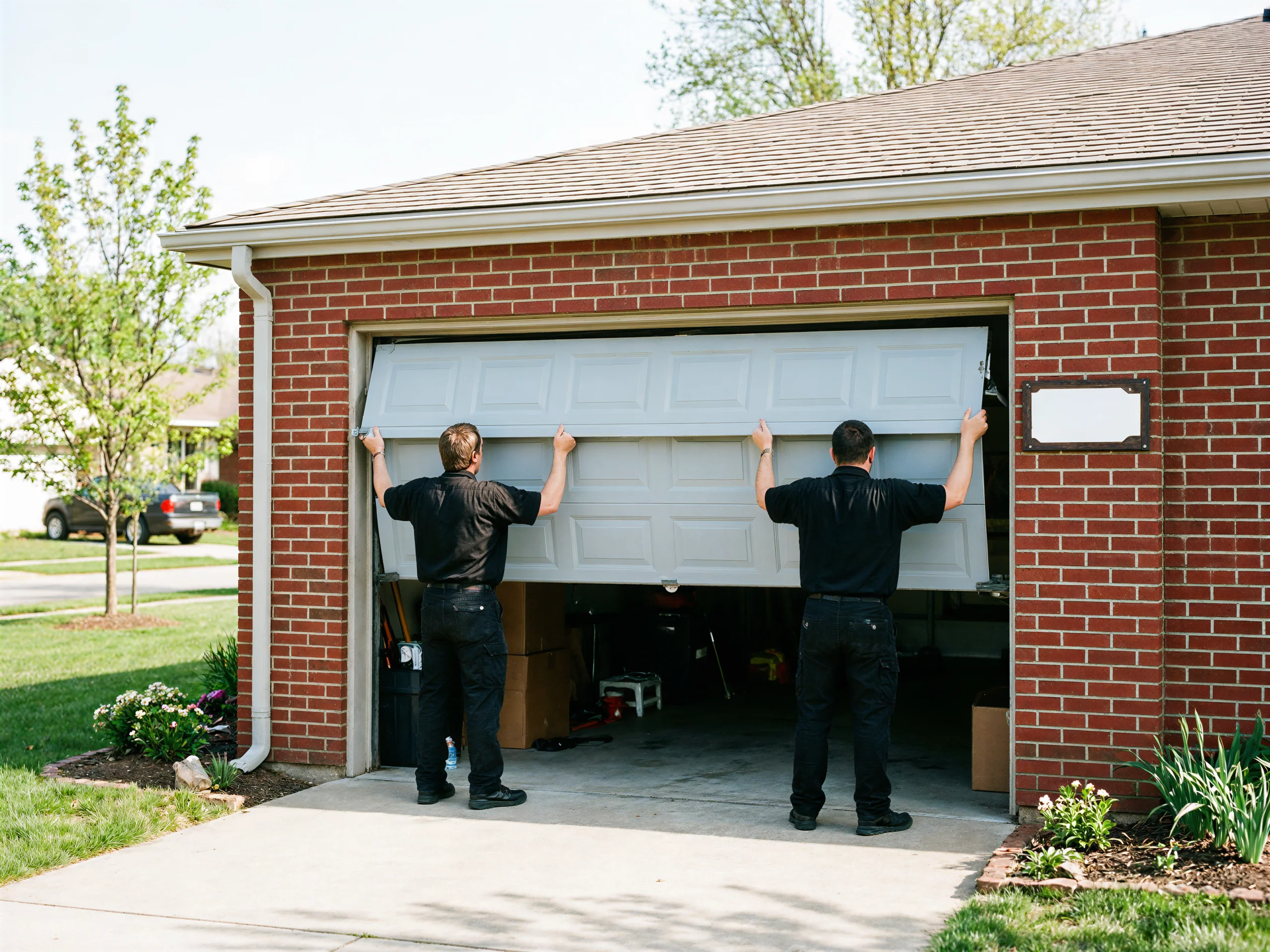
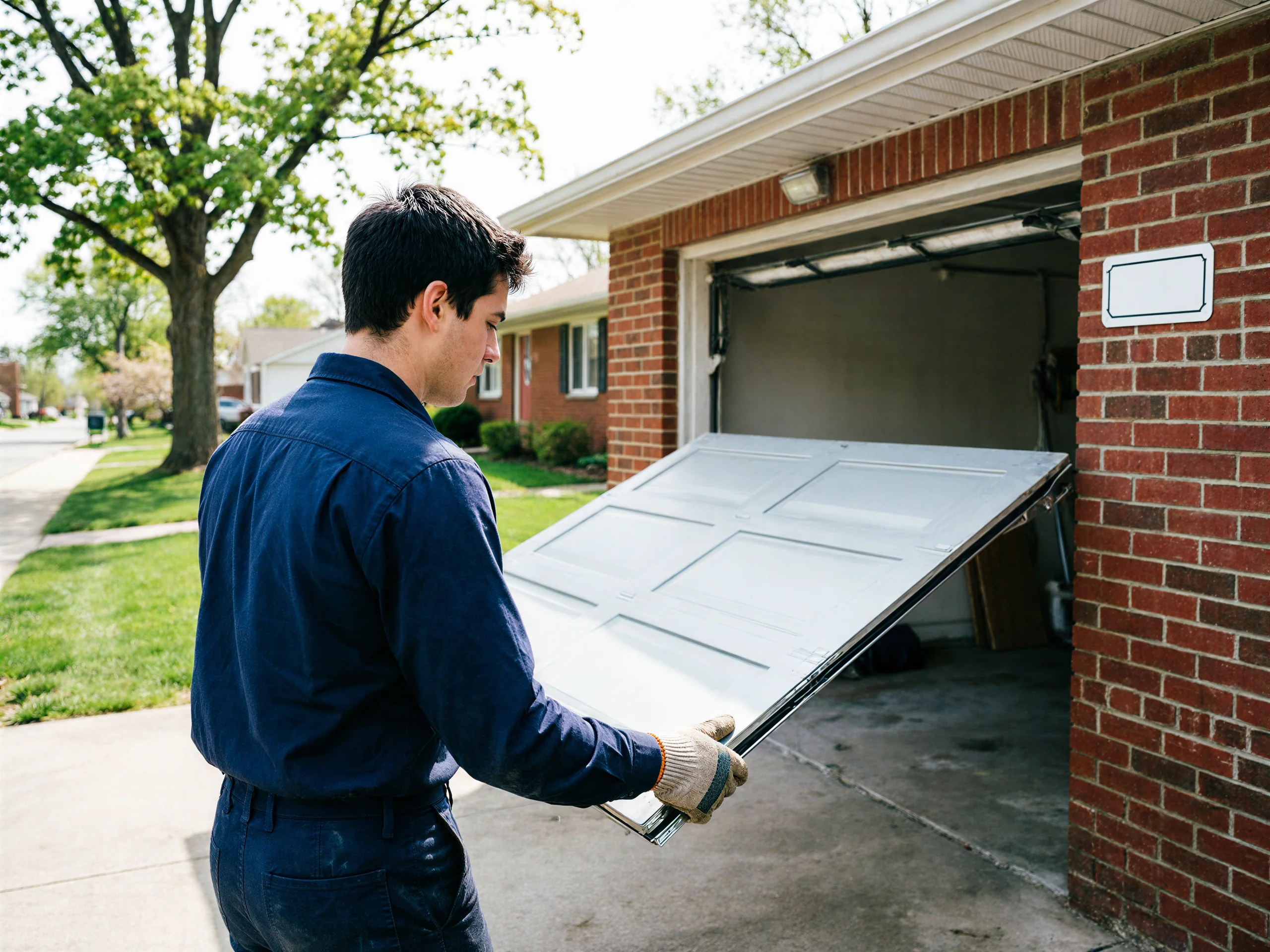
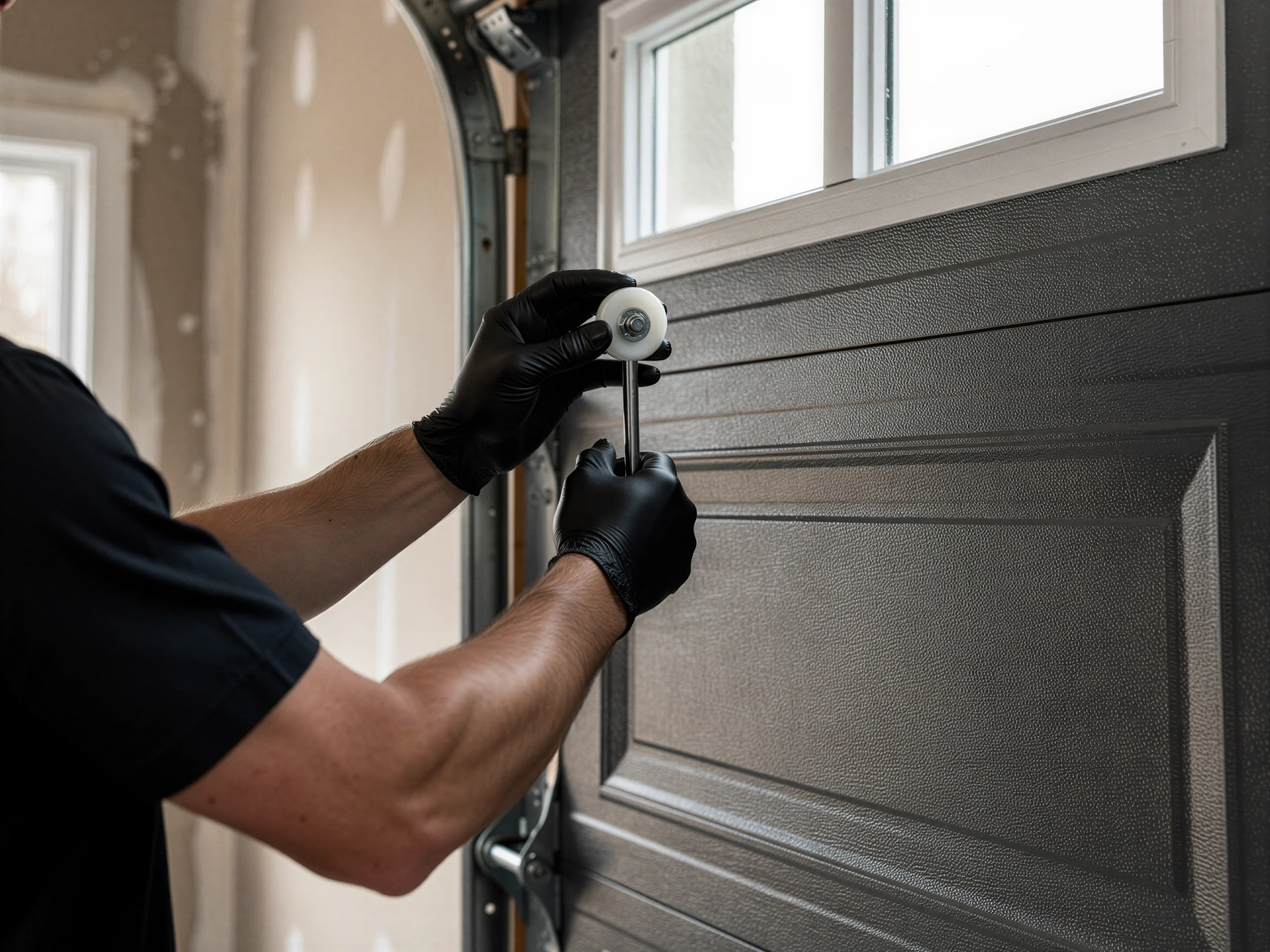
The repair itself isn't exotic - it's a spring, a cable, a roller, sometimes the whole section of track - but the hardware we're pulling off these doors is often a gauge or a mount style you don't find on anything built after the 1990s.
We bring stock sized for both eras because we don't know which one we're walking into until we're standing in the driveway. That's the real work on a call like this: matching what's there, not what's common now. We make the 19-mile drive out from Plainfield for these calls, so we bring what we expect to need rather than guessing twice.
DIY or pro
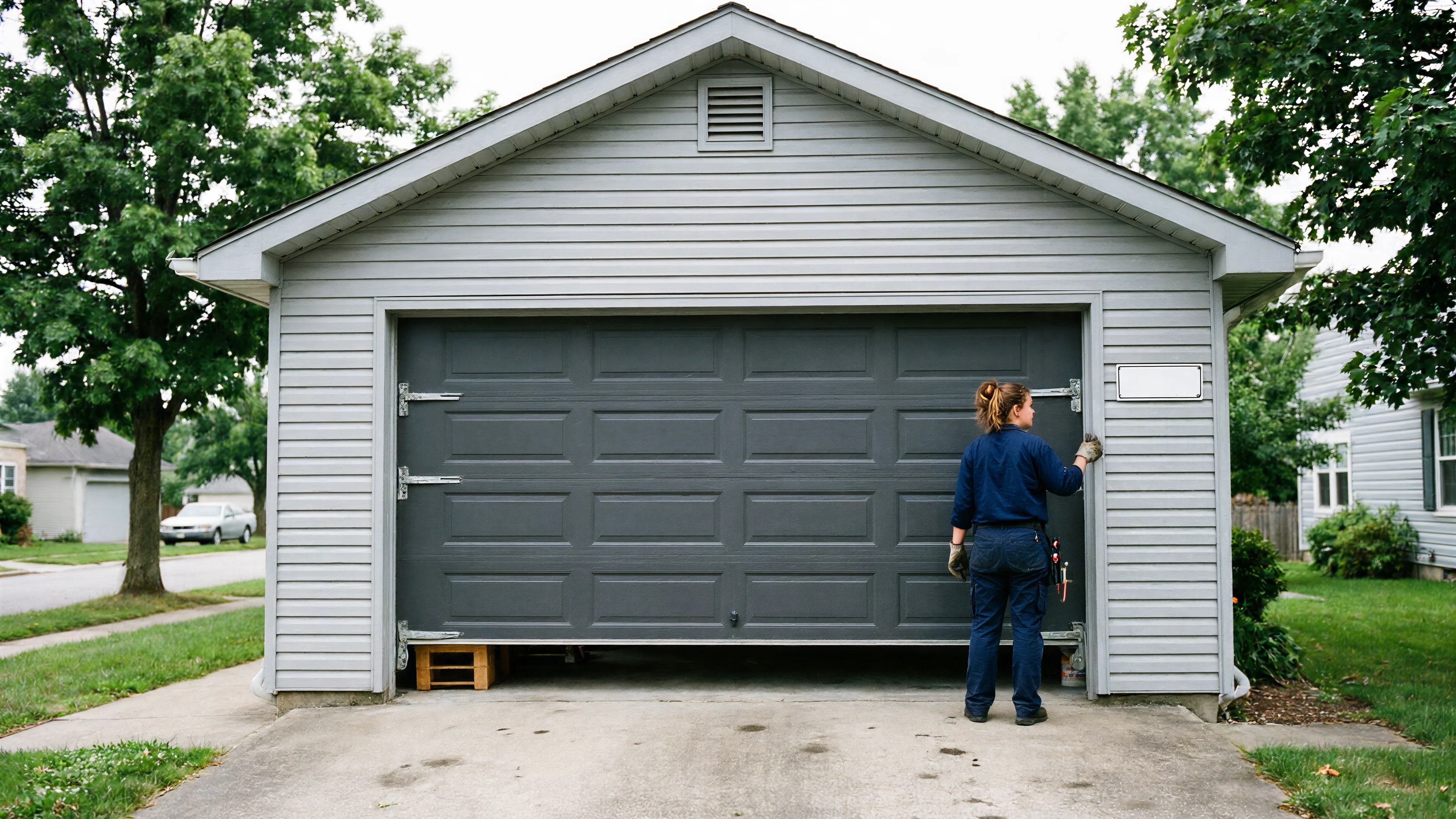
Swapping a roller or tightening a loose hinge bolt is reasonable if you're comfortable on a ladder and the door is down and the opener is unplugged. Torsion springs are not in that category, on a 1972 door or any other. The spring is holding the full weight of the panel under tension, and the winding cones that let go on an old, corroded shaft don't give a warning. If the door is original hardware from the early 1970s, assume the mounting points have fifty years of rust and fatigue on them that a newer door doesn't have, and that changes what's safe to touch yourself. Cables, bottom brackets, and anything near the spring - leave those to a call. Everything else, use your judgment and your owner's manual.
Watch-outs
The complication with a house this age isn't usually the door - it's finding parts that match what's already mounted. Glen Ellyn's housing sits mostly in the 1958-2004 range across the wider area we cover, with a median closer to 1985, but Glen Ellyn itself skews earlier at 1972.
That gap matters: a bracket or drum made for mid-80s hardware doesn't always bolt straight onto a 1972 track without an adapter or a mount swap, and that adds time to a job that looked simple on the phone.
The cold-moderate winters here also do their own damage over that many decades - track alignment drifts, weatherstripping dries out, and steel that's been through fifty-some freeze-thaw cycles doesn't hold a weld the way newer steel does.
None of this is unusual. It just means the first fifteen minutes of a Glen Ellyn call is often spent figuring out what decade we're actually working on before we touch anything.
Pricing
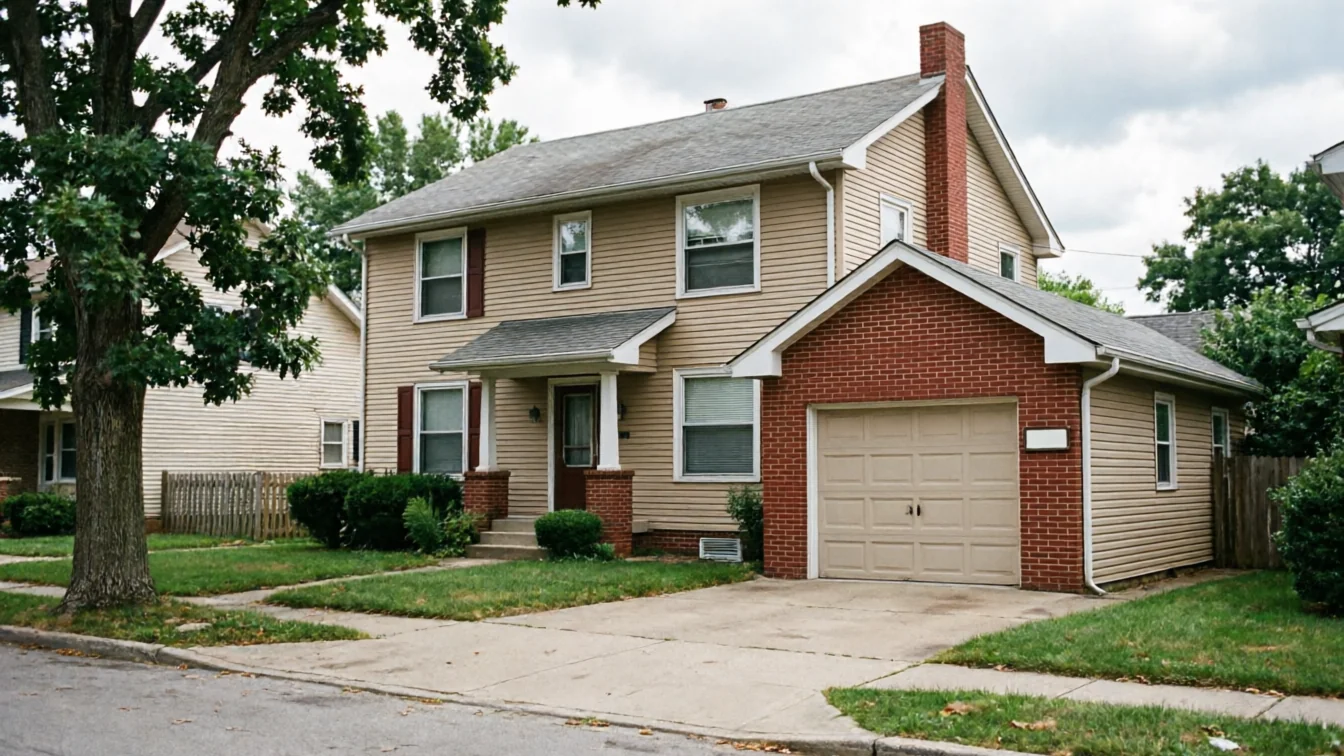
We don't have a flat number to quote here without seeing the door - the spread between a roller swap and a full spring-and-cable job is too wide to guess over the phone, and we'd rather tell you that than make up a figure. What we can say: Glen Ellyn's median household income runs well above the income figure for our service area as a whole, and that doesn't change what a spring costs, but it does mean we're not asked to cut corners on parts the way we sometimes are elsewhere. We use the same hardware grade regardless of the town. The honest limitation is this - if the track and brackets are original 1972 stock and badly rusted, sometimes the right call is replacing the section rather than patching it, and we'll tell you that straight instead of billing you twice for a repair that won't hold.
Warning signs
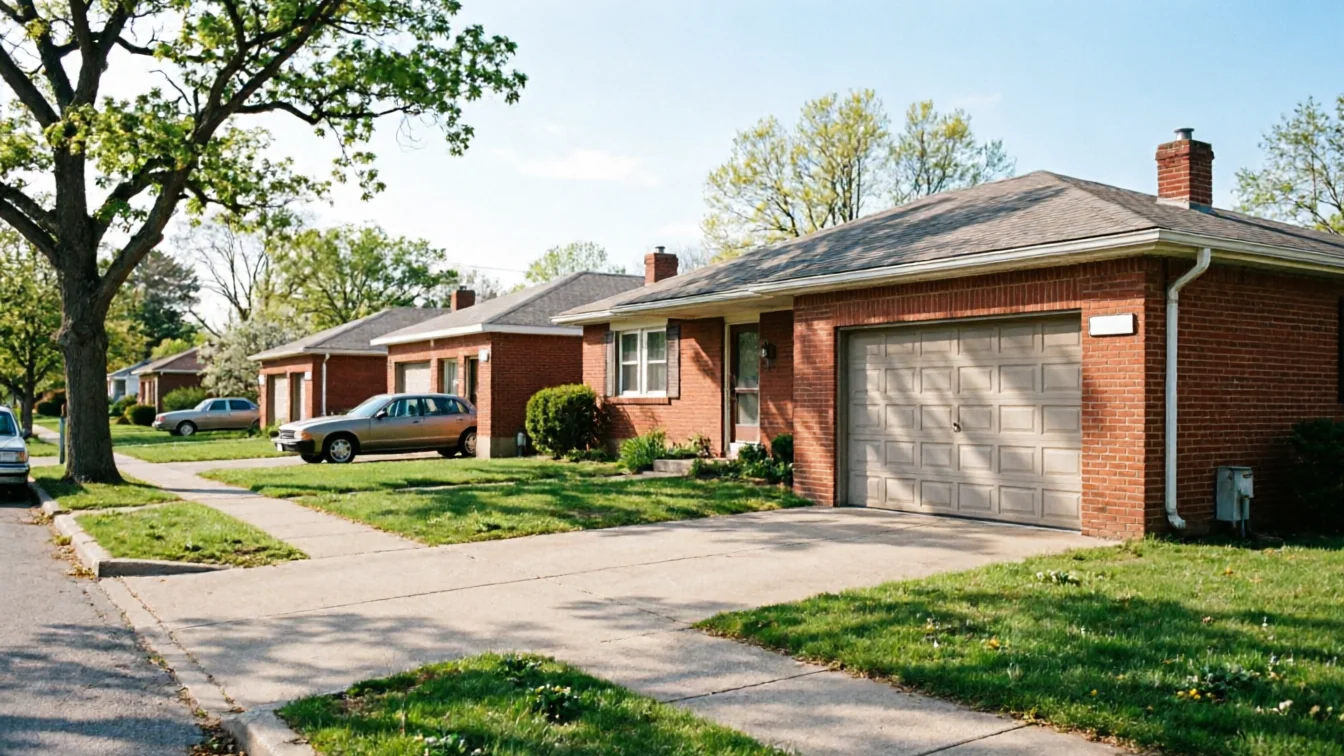
If the door is slow to open, drifts to one side on the way down, or the spring looks like a thick coiled bar sitting above the door rather than two smaller cones on either side, that's consistent with original 1970s hardware and a straight shaft spring setup, different from the double-torsion systems common on newer builds. A door that bangs hard at the bottom usually means a cable or a bottom bracket, not the opener. Grinding that gets louder over weeks points to a roller that's finally worn through its bearing, which on a door this age might be the original roller that's never been swapped. We cover Glen Ellyn from Plainfield, about 19 miles out, so when you call, telling us what you're seeing and roughly how the door behaves helps us bring the right part the first trip.
Questions
If your Glen Ellyn home was built around the early 1970s and you don't have records of a door replacement, there's a real chance the track brackets, hinges, and spring are original. That's common for this area's housing stock, and it's worth checking before you assume a repair will be routine - older hardware sometimes needs a mount adapted rather than a straight part swap.
No. We're based in Plainfield and drive out to Glen Ellyn, about 19 miles, for service calls. We don't claim a local depot here because we don't have one - we bring the parts and tools with us on the truck for each job.
A lot of it comes down to age and hardware match. A 1972 door with original brackets can take longer to fit new parts to than a door built in the 1990s with more common mounting styles. We quote after we see the door, not before, because guessing on an older system usually means a second trip.
Torsion springs on decades-old shafts are the main one. Rust and metal fatigue build up over fifty years in a way you can't always see from the floor, and a spring under tension that's failing doesn't give much warning. That's the one repair we don't recommend doing yourself regardless of the door's age.
Explore more
Ready when you are
Plainfield Garage Door Pros repairs and installs garage doors, springs and openers in Plainfield, IL and the surrounding area.