Blog
Why So Many Plainfield Garages Still Have Uninsulated Doors
Plainfield homes built from 1958 to 2004, median 1985, often have garage doors from before insulation standards were common. Here's what that means for your door.
Doing Nothing For Now
If your garage door still opens and closes, there's no rule that says you have to touch it. A single-layer steel panel from the 1980s will keep working for years past when it stopped doing its job well. Nothing breaks on a schedule here.
What changes is quieter: the garage stays colder longer into spring, warmer gear stored against that wall picks up more condensation, and if the garage shares a wall with living space, that room runs a few degrees off from the rest of the house in January. None of that shows up on a repair ticket. It shows up on a heating bill, or as a vague sense that the garage is "just cold," which, given Plainfield's winters, it is.
We're not going to tell you doing nothing is a mistake. For a lot of houses it's the right call - the door still seals reasonably well, the opener still runs fine, and insulation retrofits aren't free. The honest answer is that doing nothing costs you in comfort and energy, not in a sudden failure. Decide based on that trade, not on a pressure to act.
What Local Conditions Do
Plainfield sits in a cold-moderate climate band, which means real winter swings, not just a few cold weeks. A door built to the standards common when most of this area's housing went up - 1958 through 2004, median around 1985 - usually predates widespread use of insulated steel sections. That matters more here than it would somewhere with mild winters, because the temperature swing between garage and outside, and garage and house, is bigger and lasts longer.
An uninsulated panel doesn't fail outright in cold. It flexes more, the single steel skin contracts and can rattle in its track on the coldest mornings, and any warping in the panel becomes more noticeable because cold steel is less forgiving than warm steel. None of this is dramatic. It's wear that shows up as noise, a slightly harder pull on the opener in deep cold, and a draft along the bottom seal that a newer insulated door with a better astragal wouldn't have.
This isn't a problem unique to one street or subdivision - it's a function of when the house was built and what climate it sits in, and that combination describes a large share of homes in this area.
What It Costs
We don't have a flat number to hand you here, and we're not going to make one up. What a door or insulation retrofit costs depends on the size of the opening, the current hardware, and whether the track and springs are sized for a heavier insulated panel - torsion springs built for a hollow door don't always carry a new insulated one without adjustment.
What we can say: this area's median household income runs around $109,064, which puts an insulation upgrade or door replacement within reach for most owners here, but it's still a real expense, not a small one. We'd rather look at your actual door and opener before quoting anything than throw out a range that doesn't match your situation. A door that just needs new weatherstripping and a bottom seal costs a fraction of a full replacement, and for a lot of 1980s-built garages, that's enough to fix the draft without touching the panel itself.
What Is Going On
Across this part of the area, homes mostly went up in the 1980s and 90s, spread over 36 named neighborhoods, with roughly 112,206 owner-occupied houses sitting on that same build-era foundation. That's a lot of garages built to the same code and the same door standards of their decade, which means the uninsulated-panel issue isn't a one-house problem - it's a pattern tied to when this area was developed.
It also isn't unique to Plainfield itself. Towns within a short drive - Boulder Hill, Romeoville, Crest Hill, Shorewood, Montgomery - grew up in roughly the same stretch of decades and sit in the same cold-moderate climate band, so the same original doors on the same kind of hardware show up there too. If you're noticing a cold garage or a door that feels stiffer in January than July, it's less about bad luck and more about the decade your house was framed in.
Questions
Common questions
Do I need to replace the whole door to fix the cold draft?
Not always. A lot of the draft on an older door comes from worn bottom seal and side weatherstripping rather than the panel itself. We'd check the seals and the fit in the track first - on many houses built in this area's 1980s wave, that's enough to cut the draft without a full replacement.
Will an insulated door fit my existing opener and springs?
Sometimes, sometimes not. Insulated panels weigh more than the single-layer steel doors common on houses built here before insulation standards tightened. Torsion springs sized for the lighter original door may need to be re-sized, and that's something to check before you buy a door, not after.
Is it worth insulating an older garage door in this climate?
Given the cold-moderate winters this area gets, yes, for most owners it pays off in comfort, especially if the garage borders living space. Whether it's worth it in dollars depends on your energy costs and how long you plan to stay in the house - that's a judgment call, not a fixed rule.
Recommendation
You Might Also Like
More garage door guides for Plainfield homeowners.
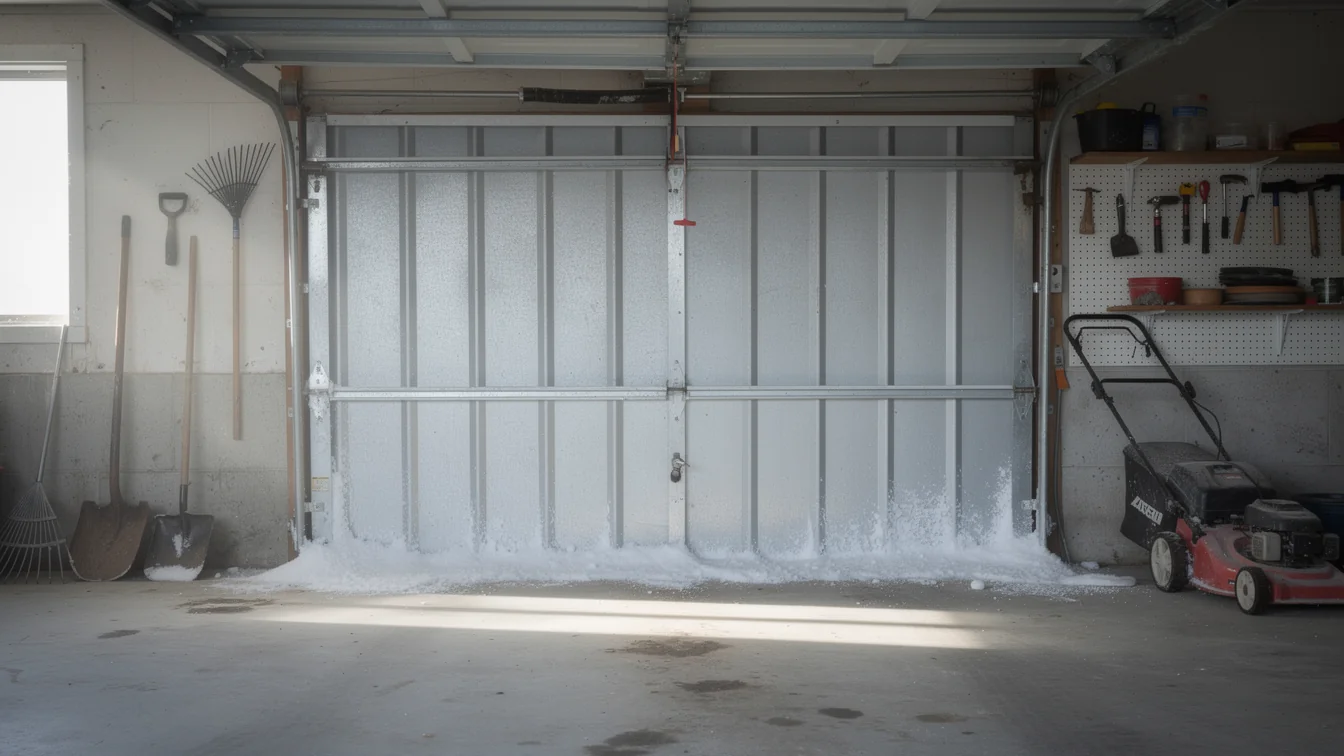
When the Power Goes Out, Your Opener Doesn't Know It's Plainfield
Plainfield homes built mostly between 1958 and 2004 carry openers that react differently to power cuts than new models.
Read guide
A Door Built Between 1958 and 2004: Fix It or Replace It?
In Plainfield, most houses went up between 1958 and 2004, median 1985 - here's how to judge whether your door's spring, panel, or opener is worth fixing.
Read guide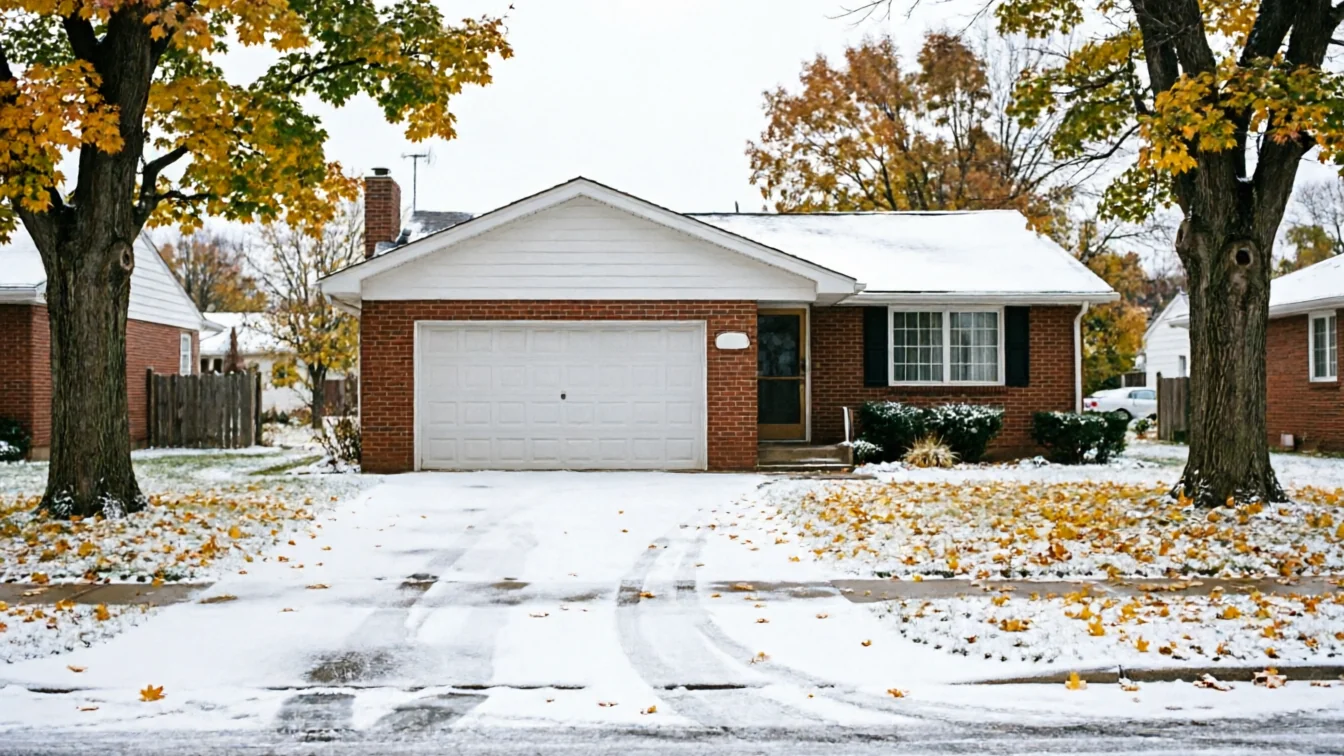
What a Replacement Door Looks Like on a Plainfield House
Most Plainfield houses date to 1958-2004, with a lot of 1980s stock.
Read guideReady when you are
Need a garage door sorted in Plainfield?
Plainfield Garage Door Pros repairs and installs garage doors, springs and openers in Plainfield, IL and the surrounding area.