
Blog
When the Power Goes Out, Your Opener Doesn't Know It's Plainfield
Plainfield homes built mostly between 1958 and 2004 carry openers that react differently to power cuts than new models. Here's what that means for this area's winters.
Doing Nothing For Now
If your opener still runs fine and you've never lost power mid-cycle with the door half up, you don't need to do anything today. A lot of the openers still working in this area came in with houses built between 1958 and 2004, median around 1985, and plenty of those chain-drive units have no battery backup at all. That's not a defect - battery backup wasn't standard equipment back then. The honest limitation here: we can't tell you your specific opener needs replacing without looking at it. Age alone isn't a reason to swap a unit that's still pulling the door smoothly and reversing on contact like it should. What we'd flag is the manual release cord - pull it once a year so you know it works before you need it in a cold snap with the door stuck halfway and no power to run the motor.
If you've got a 1980s or 90s build, as a lot of the housing stock across this service area does, check whether your opener has a battery backup option at all. Some older chain-drive units simply can't take one. That's worth knowing before the power cuts out, not after.
What Local Conditions Do
This area sits in a cold moderate climate band, which means winter power cuts aren't rare - ice on the lines, wind loading on poles, the usual. When the power drops and your opener has no backup battery, the door stays wherever it was. If that's down, you're stuck until you find the release cord. If it's up, that's a security problem overnight.
Cold does something else too: it stiffens grease in the opener's gear housing and in track hardware, so even once power's back, a unit on the edge of failing runs rougher in January than it did in July. Houses built in the 1958-2004 range, median 1985, often still have the original steel track and hardware paired with a newer opener head, or vice versa - mismatched generations of parts that were never designed to work together. That mismatch shows up more in cold weather, not less, because clearances tighten and lubricant thickens right when you're relying on the system most.
What It Costs
We don't have a standard number to quote here because it depends on what's actually wrong - a dead backup battery is a different job than a chain-drive opener from the 1980s that needs full replacement, and parts lead time varies by brand and age. What we can tell you is how to think about it. Across this service area, median household income runs around $109,064, which is enough that most owners we see choose to add battery backup to an opener that's otherwise fine rather than replace the whole unit - it's the cheaper fix for the actual problem, which is the power cut, not the opener itself.
Where replacement makes more sense is when the opener is original to a house from the earlier end of that 1958-2004 build range and parts for it are getting hard to source. At that point you're not paying to fix old technology, you're paying to keep fixing it every time something else on it gives out. We'll tell you straight which situation you're in before we quote anything.
What Is Going On
An opener doesn't actually lift your door - the springs do that work, the opener just controls the motion and holds position. When power cuts, the motor stops, and without a battery backup, whatever was mid-cycle stays mid-cycle. That's a design fact, not a local one, but how often it matters to you is local: this area's cold moderate climate means more winter outages than a warmer region sees, and more houses here built in that 1958-2004 window, median 1985, never got backup battery retrofits because the technology wasn't common or marketed when the openers went in.
So the two things compound. Older opener, no backup, outage-prone winters - that's the combination behind most of the "my door won't move and the power's out" calls across Plainfield and the surrounding towns we cover, out to Romeoville, Crest Hill, and Shorewood. None of that means your specific opener is a problem. It means the odds of it mattering catch up with you eventually in a house this age, in this climate.
Questions
Common questions
Does my garage door opener need a battery backup in Plainfield?
Not every opener here has one, especially units original to houses built before battery backup became standard. Given this area's cold moderate climate and the winter power cuts that come with it, a backup is worth adding if your opener supports one - check with the manufacturer or have it looked at, since some older chain-drive units can't accept a retrofit.
Why does my opener seem slower in winter?
Cold stiffens the grease in the opener's gear housing and in track hardware, which is common in this climate band. If your house dates to the 1958-2004 range, mismatched original track hardware and a newer opener head can make that slowdown more noticeable than on a fully matched, newer system.
Is it worth replacing an old opener instead of adding a battery backup?
Depends on the opener's age and how available parts still are for it. If it's otherwise running fine, adding backup is usually the cheaper fix for power-cut problems. If it's an original unit from the early end of this area's 1958-2004 housing range and parts are getting scarce, full replacement often makes more sense long-term.
What should I do if the power goes out while my door is open?
Find your opener's manual release cord and pull it to disengage the trolley from the chain or belt, then close the door by hand. It's worth testing this cord once a year so you're not hunting for it during a cold-weather outage when you actually need it.
Recommendation
You Might Also Like
More garage door guides for Plainfield homeowners.
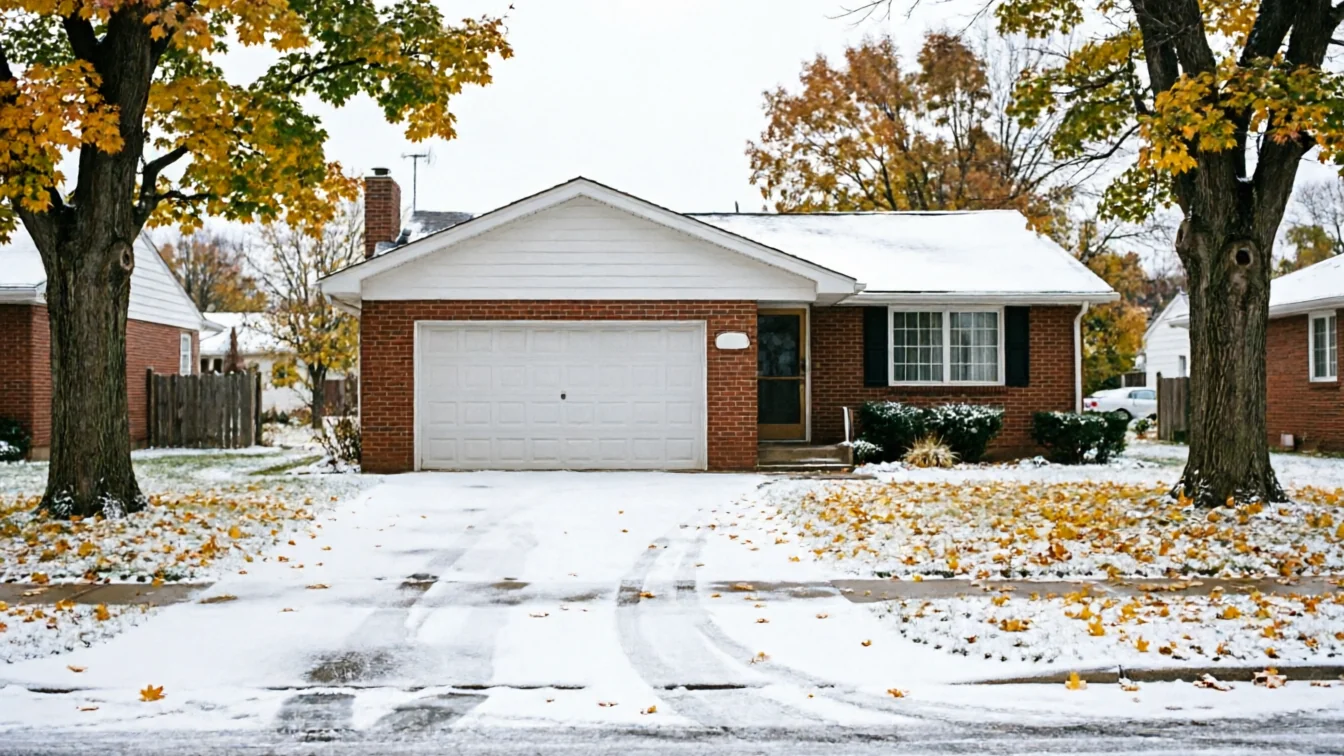
Why So Many Plainfield Garages Still Have Uninsulated Doors
Plainfield homes built from 1958 to 2004, median 1985, often have garage doors from before insulation standards were common.
Read guide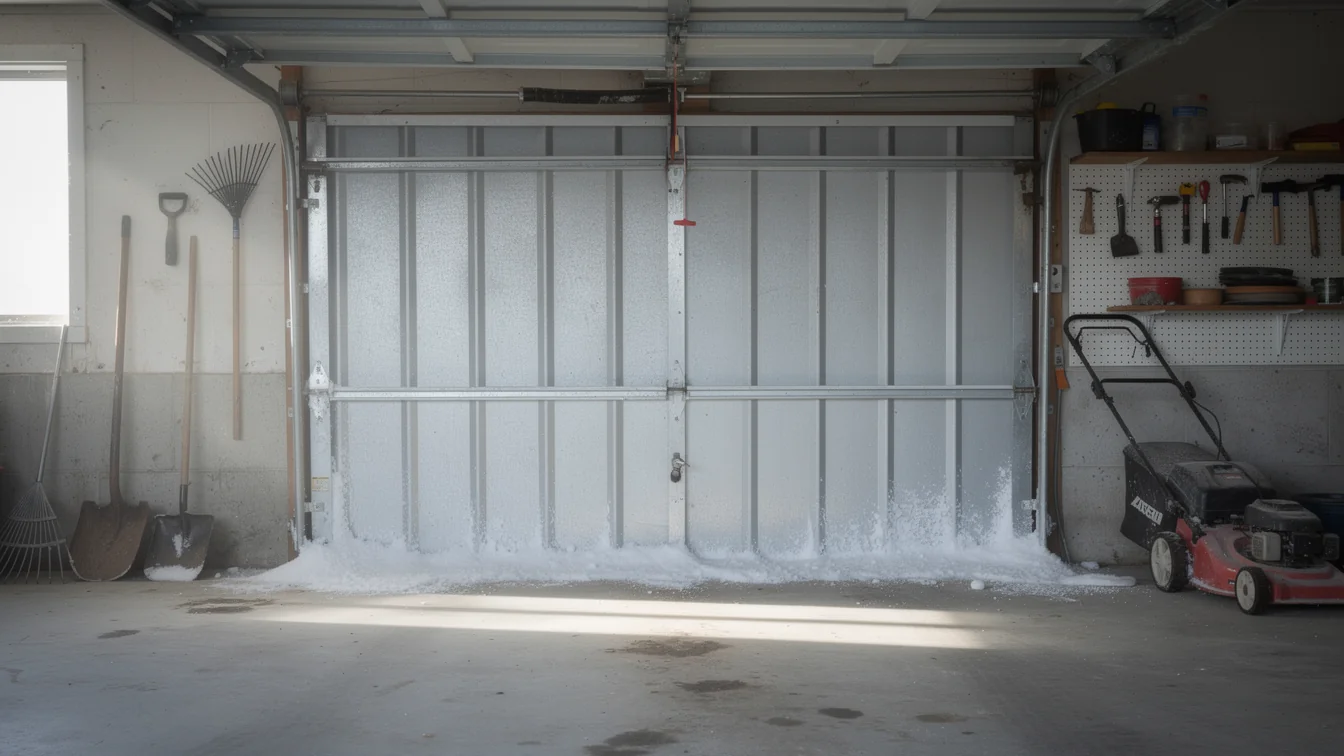
A Door Built Between 1958 and 2004: Fix It or Replace It?
In Plainfield, most houses went up between 1958 and 2004, median 1985 - here's how to judge whether your door's spring, panel, or opener is worth fixing.
Read guide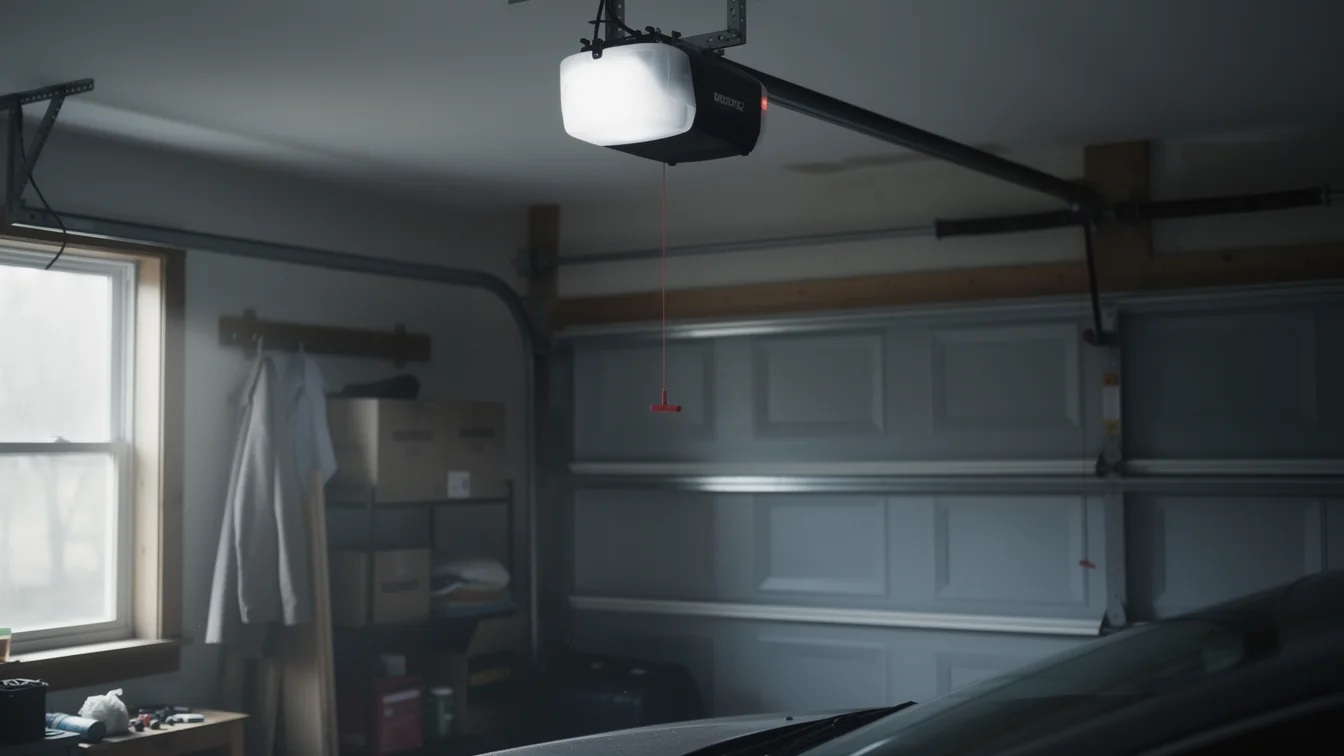
Stopping Draughts Through Old Weather Seals in Plainfield Garages
Plainfield's 1958-2004 housing stock and cold winters wear out garage door seals fast.
Read guideReady when you are
Need a garage door sorted in Plainfield?
Plainfield Garage Door Pros repairs and installs garage doors, springs and openers in Plainfield, IL and the surrounding area.