
Inside-out bottom rust
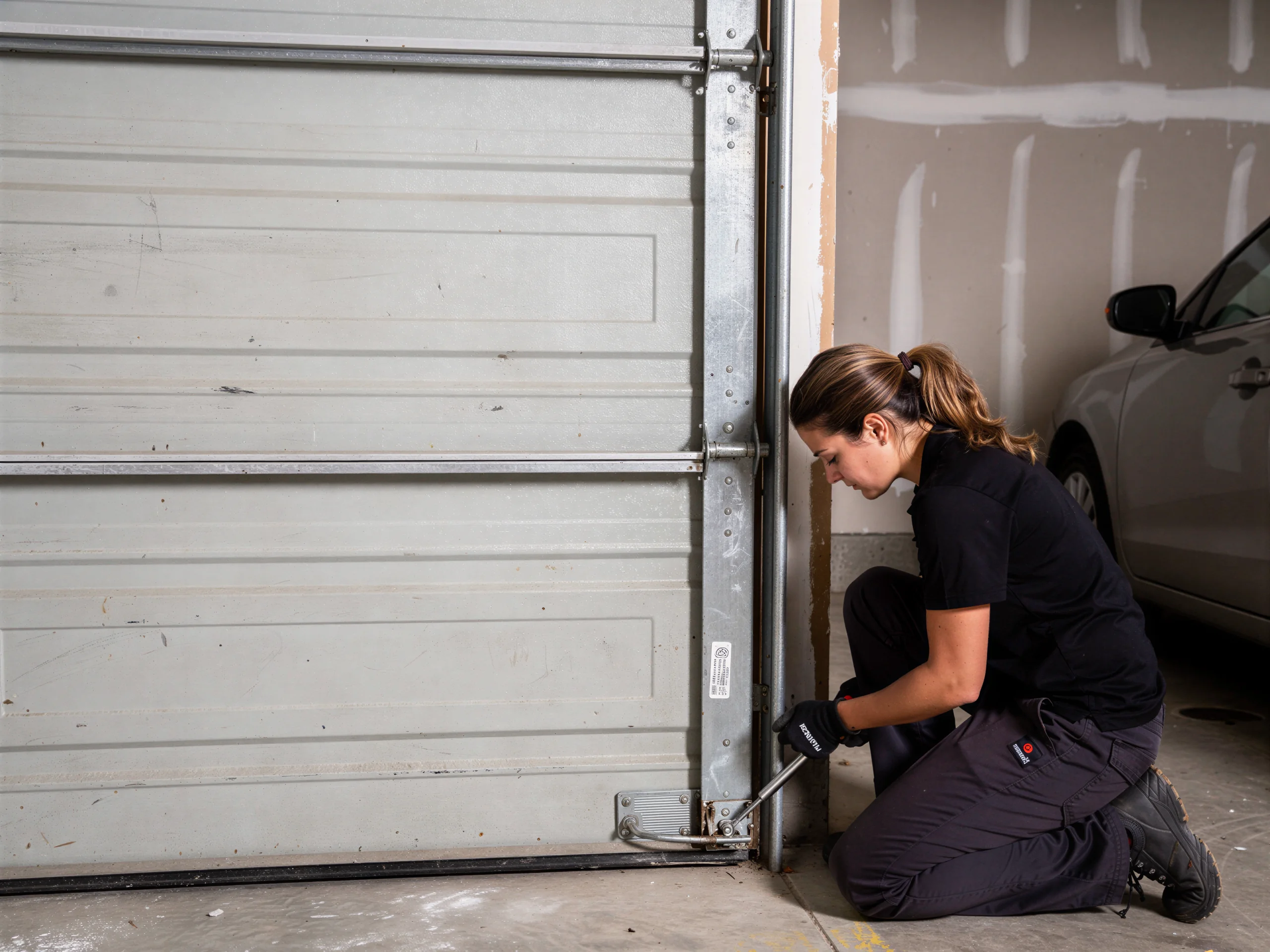
The bottom panel rusts from the inside out on these older single-layer doors, and by the time it shows on the outside the steel is already thin enough that a new astragal seal won't seat right.
Glen Ellyn, Plainfield
Glen Ellyn's garage doors mostly date to the early 1970s: single-layer steel, light insulation, original torsion hardware. Plainfield Garage Door Pros travels 19 miles to fix them.
The repair
Most garage doors in Glen Ellyn went up when the house did, and the median house here dates to 1972 - a decade before much of the rest of the service area filled in.
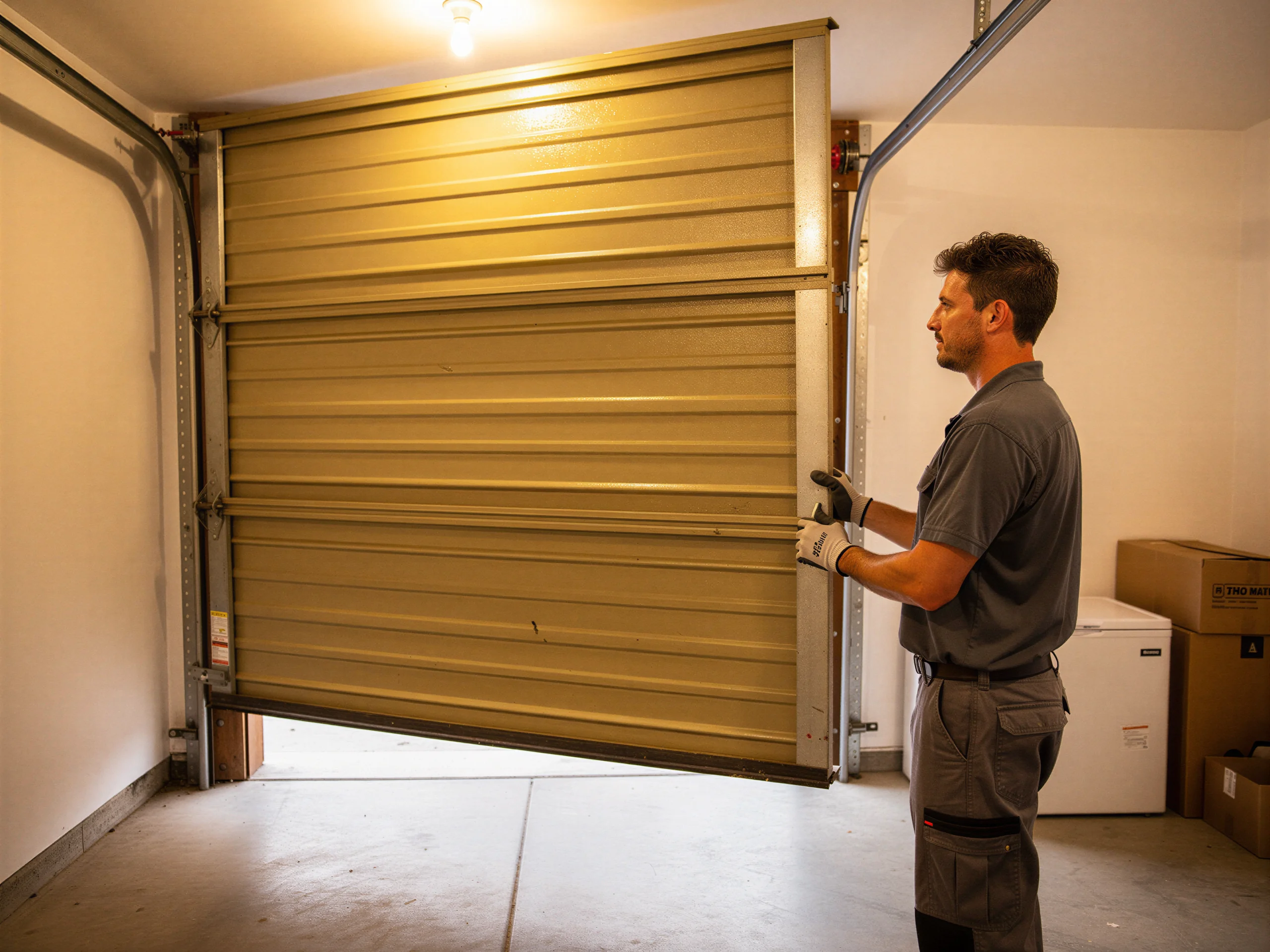
That means a specific door: single-layer steel panels, no foam core, hung on steel track with torsion springs sized for a lighter door than what gets built today. The repair on this door is not the same job as a repair on a 2005 insulated door three towns over.
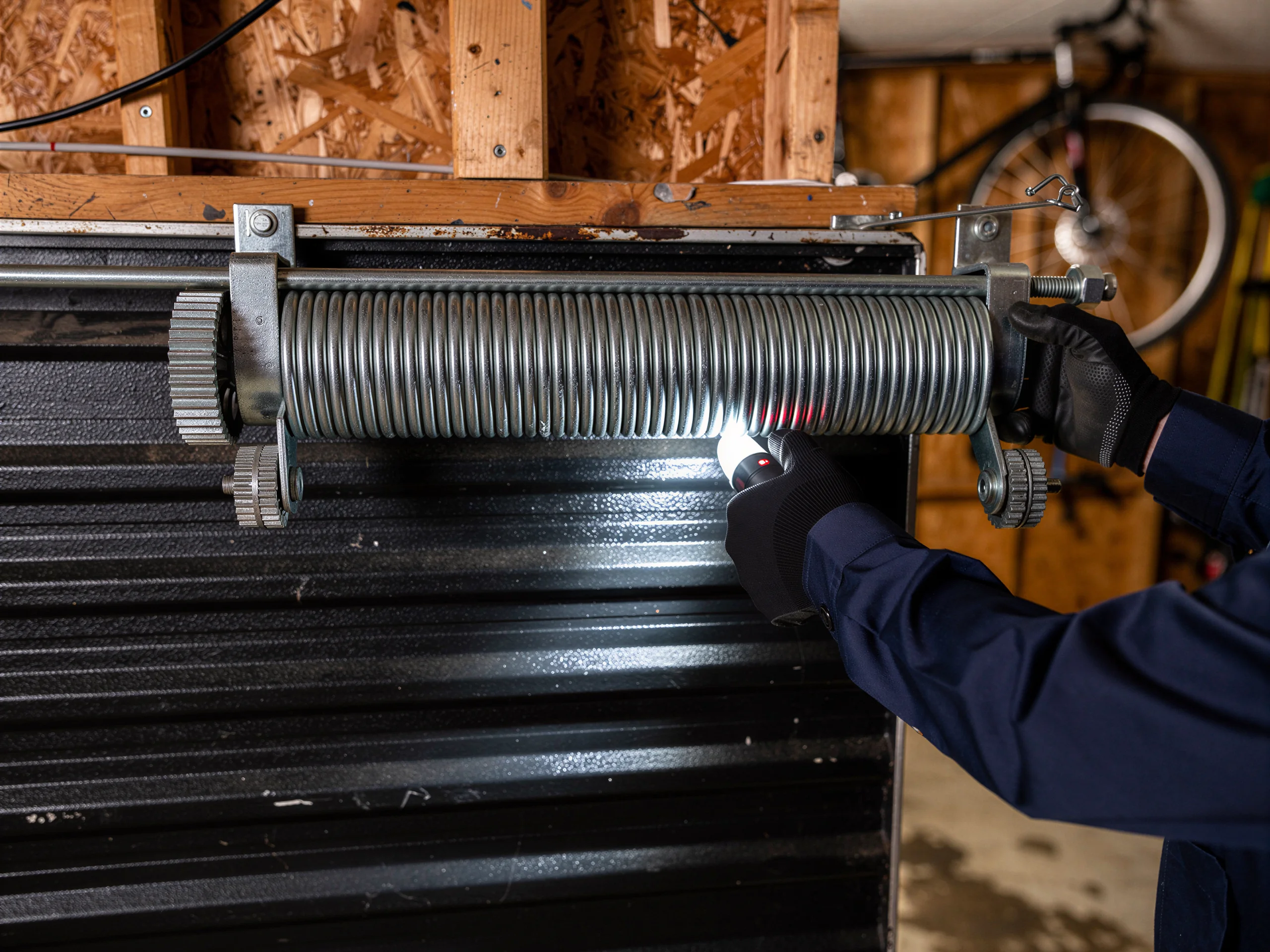
The spring is often original or a mismatched second replacement, sized by a previous installer who guessed rather than measured. Getting the job right means pulling the door's actual panel weight and matching new torsion springs to it, not grabbing whatever's on the truck.
On a door this age, we also check the track mounting brackets - 50 years of wood expansion and contraction around the jamb loosens lag screws, and a loose bracket will make a new spring fail early no matter how well it's wound. The job usually runs an hour once we're on site, longer if the drum or cable drum shows wear from the old spring having been over-cycled before it finally let go.
DIY or pro
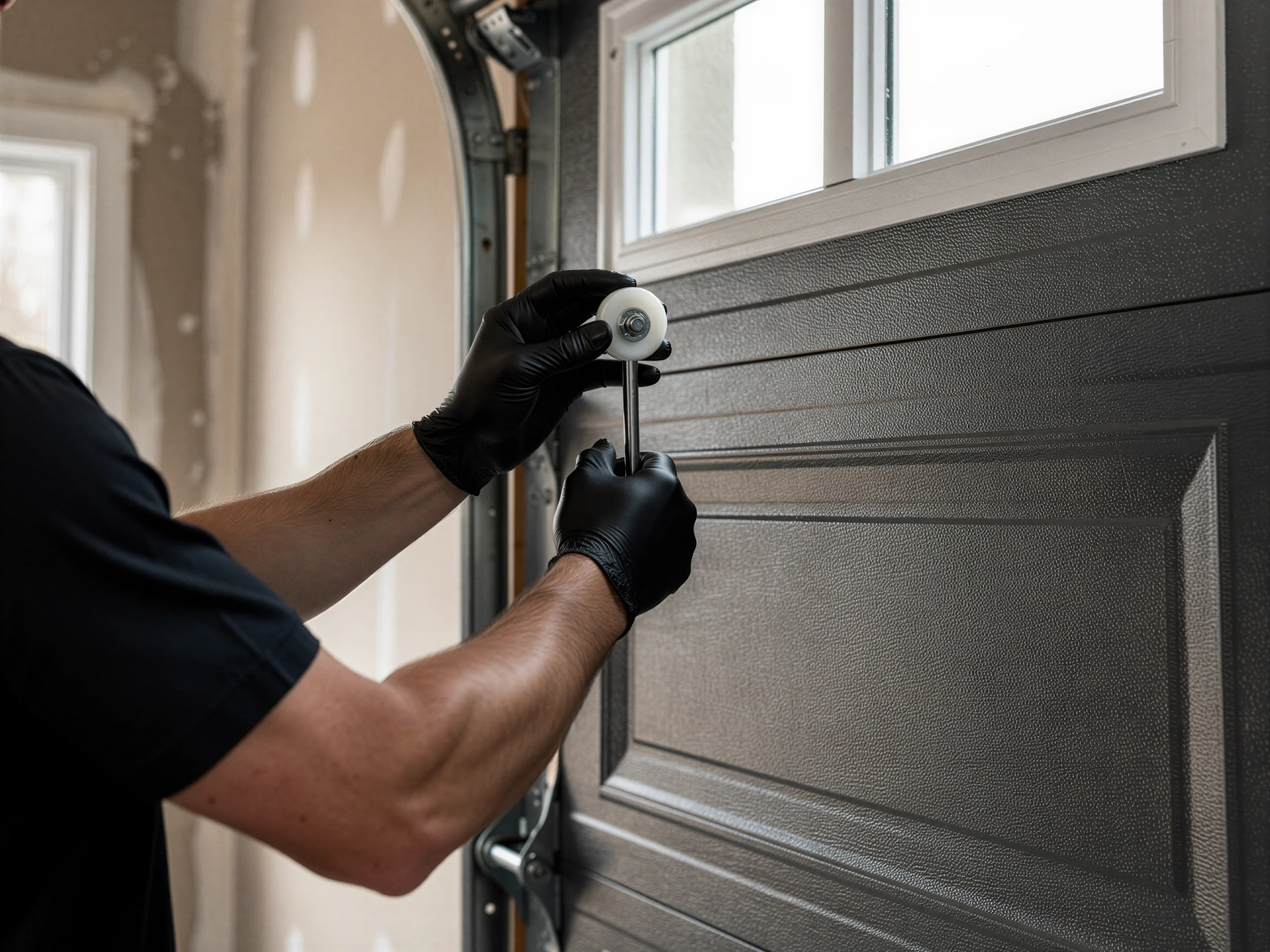
Winding a torsion spring on a door this old is not a weekend project, and we'll say that plainly: the spring is under enough tension to break a wrist or worse, and a door built in 1972 often has an unmarked spring with no wire gauge stamped on it, which means guessing the wind without the right winding bars is a real way to get hurt. Replacing rollers or tightening hinges is reasonable DIY work if the door is still on its track and moving. Swap worn nylon rollers for better ones, snug loose hinge bolts, lubricate the track - all fine. Once the door won't stay open on its own, or a cable has jumped the drum, that's a call-in job, full stop.
Watch-outs
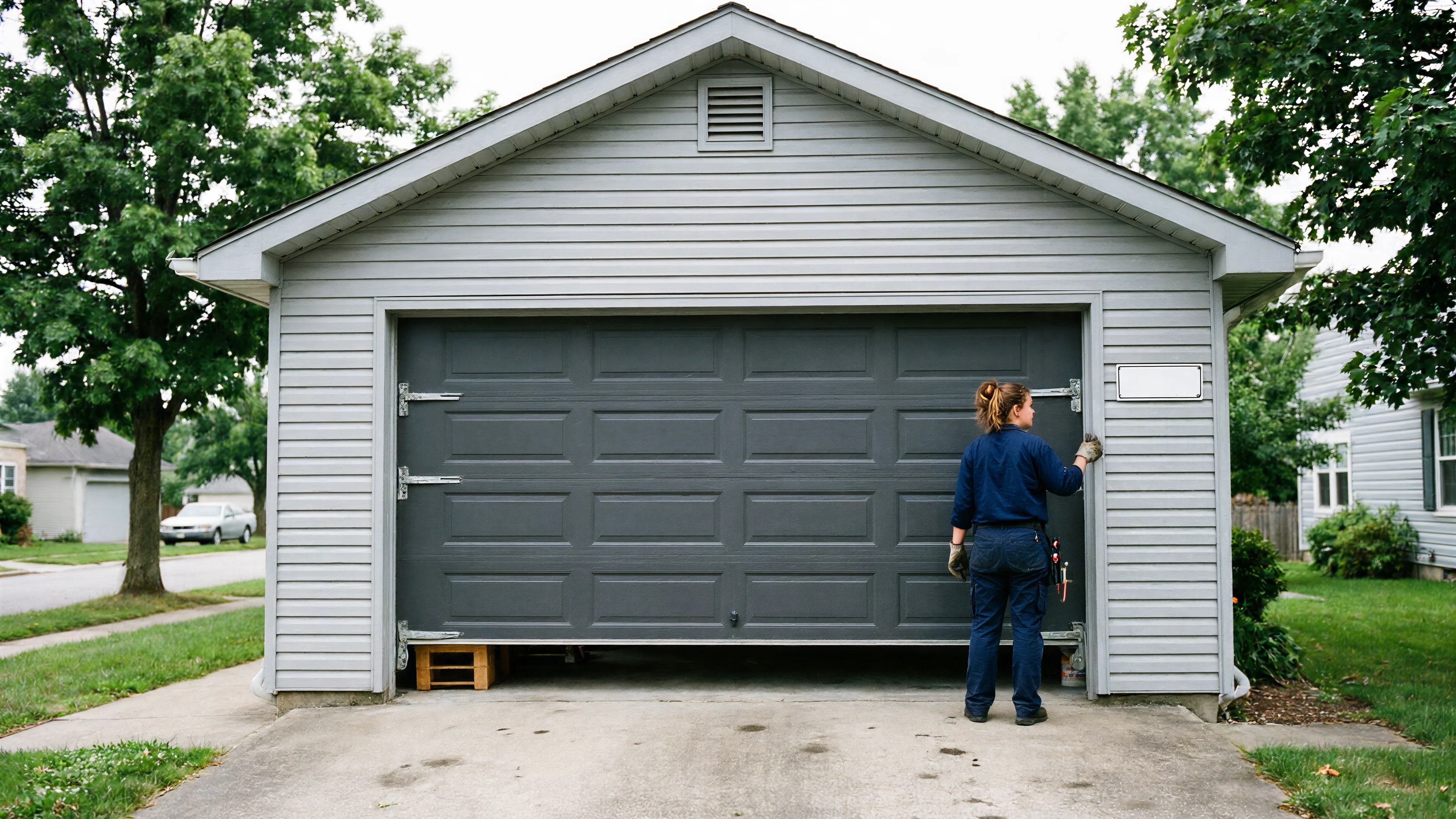
A door built around 1972 sits inside a COLD-moderate climate band, which over 50-plus winters means steel panels that have seen a lot of freeze-thaw cycling at the bottom seal and the track ends.
The bottom panel rusts from the inside out on these older single-layer doors, and by the time it shows on the outside the steel is already thin enough that a new astragal seal won't seat right.
We also run into non-standard spring winding cones on doors this old - some torsion hardware from the early 70s used a cone size that newer universal kits don't fit cleanly, so we carry adapters rather than force a mismatch.
The honest limit here: if the bottom two panels are rusted through, we'll tell you replacement beats patching, because a repaired panel on a door this age rarely matches the remaining steel's gauge and the door racks unevenly afterward.
Pricing
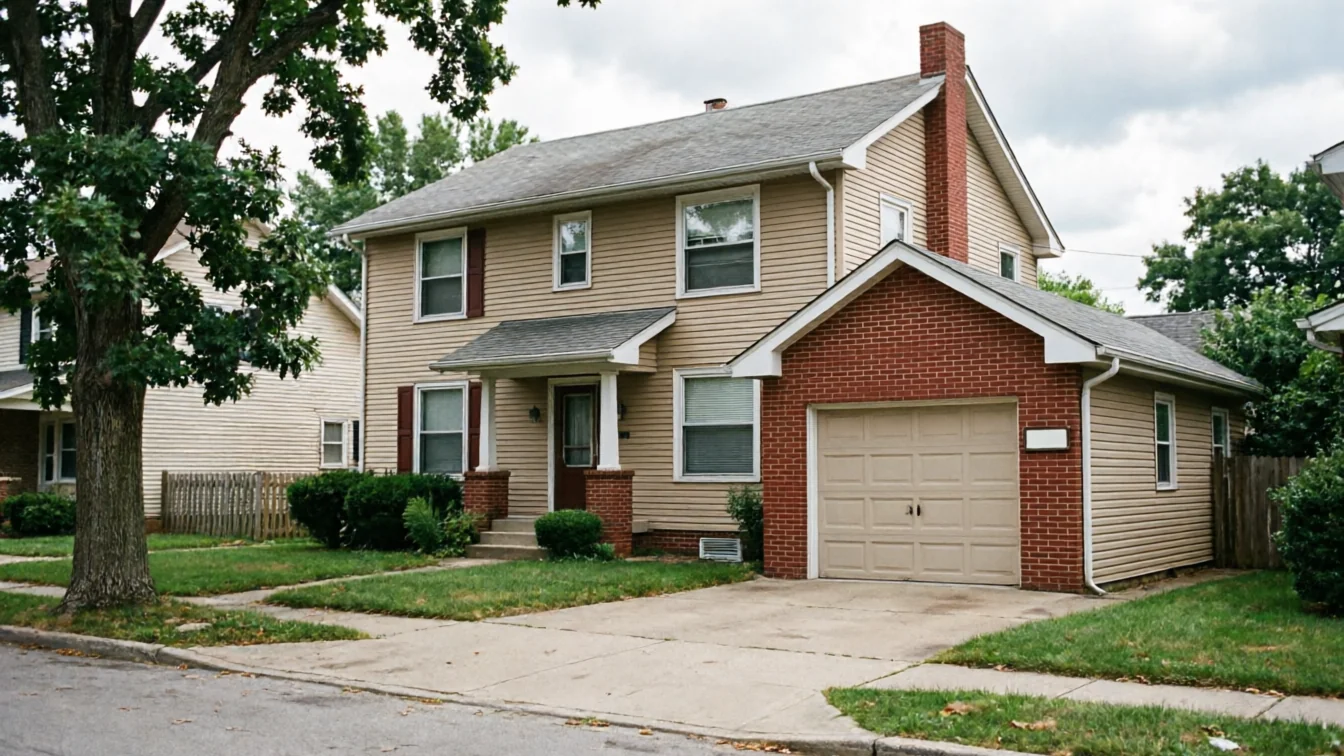
We don't post a flat number for Glen Ellyn because the job on a 1972 door depends on what's underneath - original hardware costs more labor time than a straightforward swap on a newer door, since older cones and drums sometimes need to be cut off rather than unbolted. What we can tell you: median household income across the areas we serve runs about $109,064, and Glen Ellyn runs well above that at $133,346, which in practice means homeowners here more often choose full replacement over patch repair once a door hits the rust-through stage described above, rather than stretching an old door another few years. We travel the 19 miles from Plainfield for both calls - the drive doesn't change the repair price, but it's worth knowing before you book.
Warning signs
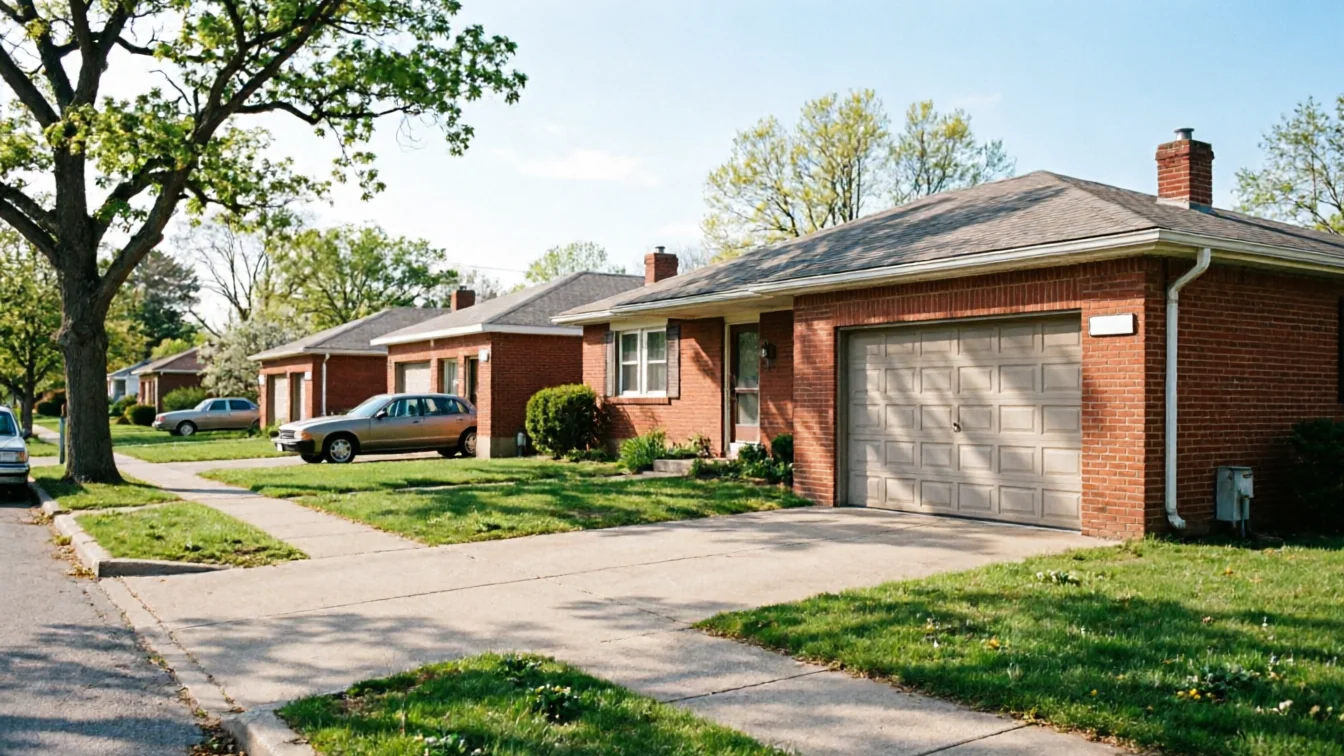
If your door is loud going up, shudders partway, or won't stay open without a 2x4 propped under it, that's almost always the torsion spring giving out - expected on original hardware from a door this age. A door that drifts shut on its own, even slowly, means the spring has lost tension gradually rather than snapped outright, which is common on these older single-coil setups. Rust streaks at the bottom corners, especially after a wet winter, point to the panel steel itself failing rather than just the seal. And if the door reverses right after touching the floor, that's usually a sensor alignment issue unrelated to the door's age - a five-minute fix, not a sign the whole unit needs replacing.
Questions
On a door built around 1972, the torsion spring loses tension slowly over decades of cycling, so the opener (or your arm) ends up doing more of the lifting work than it should. It's rarely sudden - most homeowners notice it gradually until one day the spring lets go outright.
Depends on the panel steel. If the bottom sections are rusted through, a patch repair won't match the remaining steel's gauge and the door will rack unevenly. If the steel's sound and it's just hardware, repair is usually the better call.
No. We're based in Plainfield and drive the 19 miles out for Glen Ellyn calls. The distance doesn't change the repair cost, but it's good to know going in.
Explore more
Ready when you are
Plainfield Garage Door Pros repairs and installs garage doors, springs and openers in Plainfield, IL and the surrounding area.