Big-box door assumptions
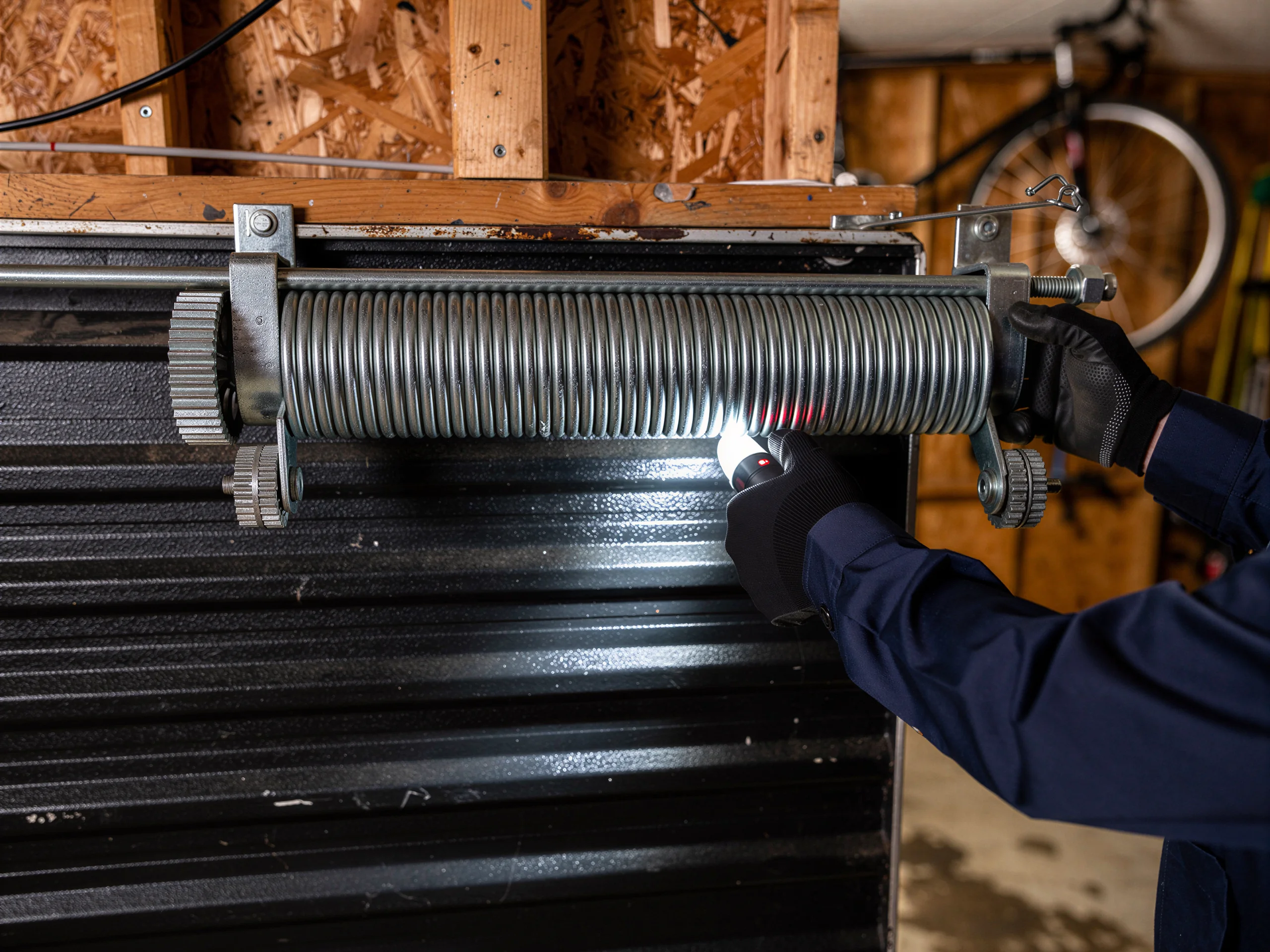
A torsion spring under tension can break a hand or worse, and most big-box doors are sold assuming you'll either already have torsion hardware or hire someone who does.
Glen Ellyn, Plainfield
Glen Ellyn homes mostly went up around 1972, meaning original single-layer steel doors on older track. Here's what a new install actually involves from Plainfield.
The repair
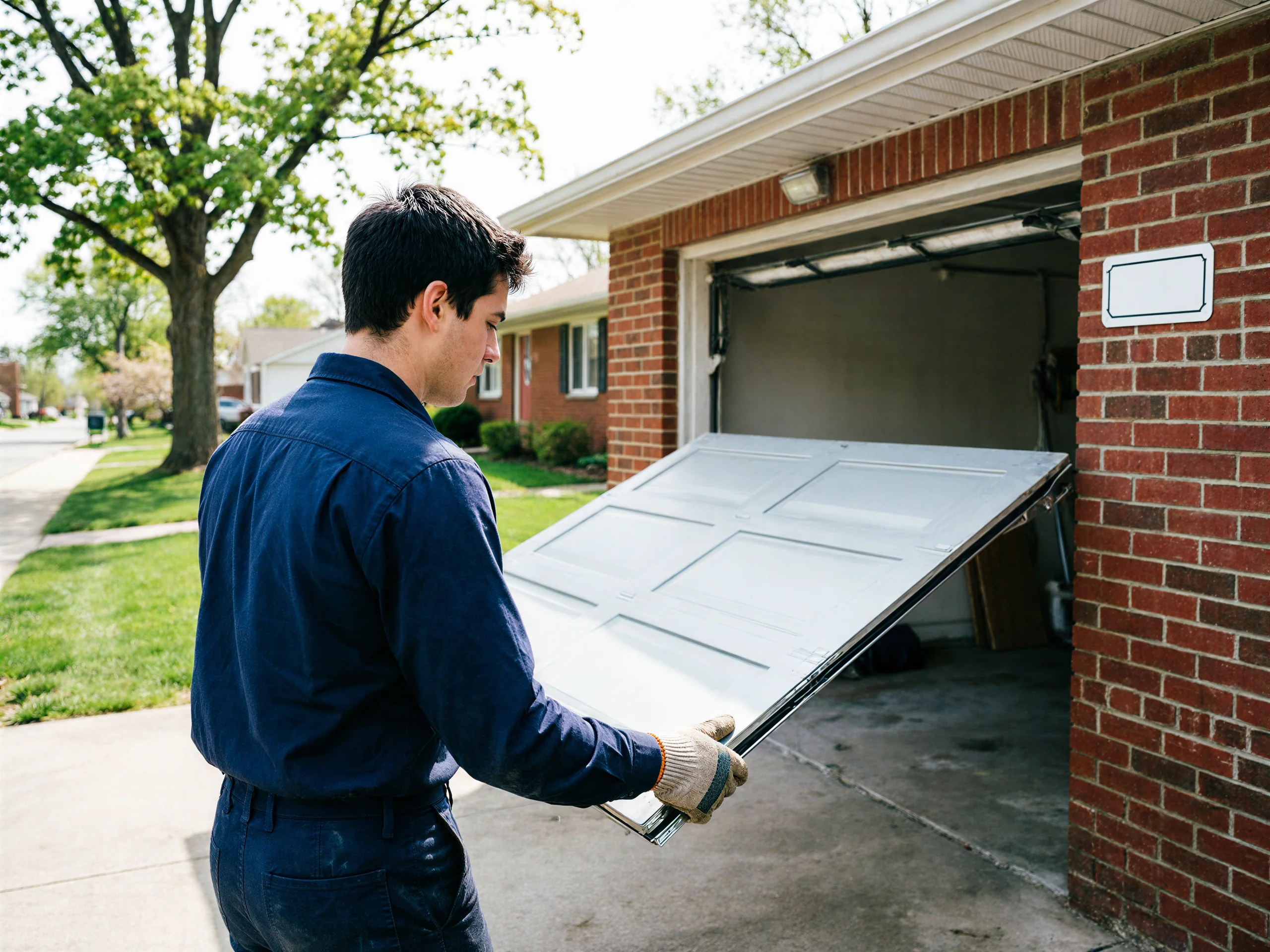
Most houses in Glen Ellyn went up around 1972, which puts the bulk of the original garage doors here at or past the point where a repair just delays the inevitable.
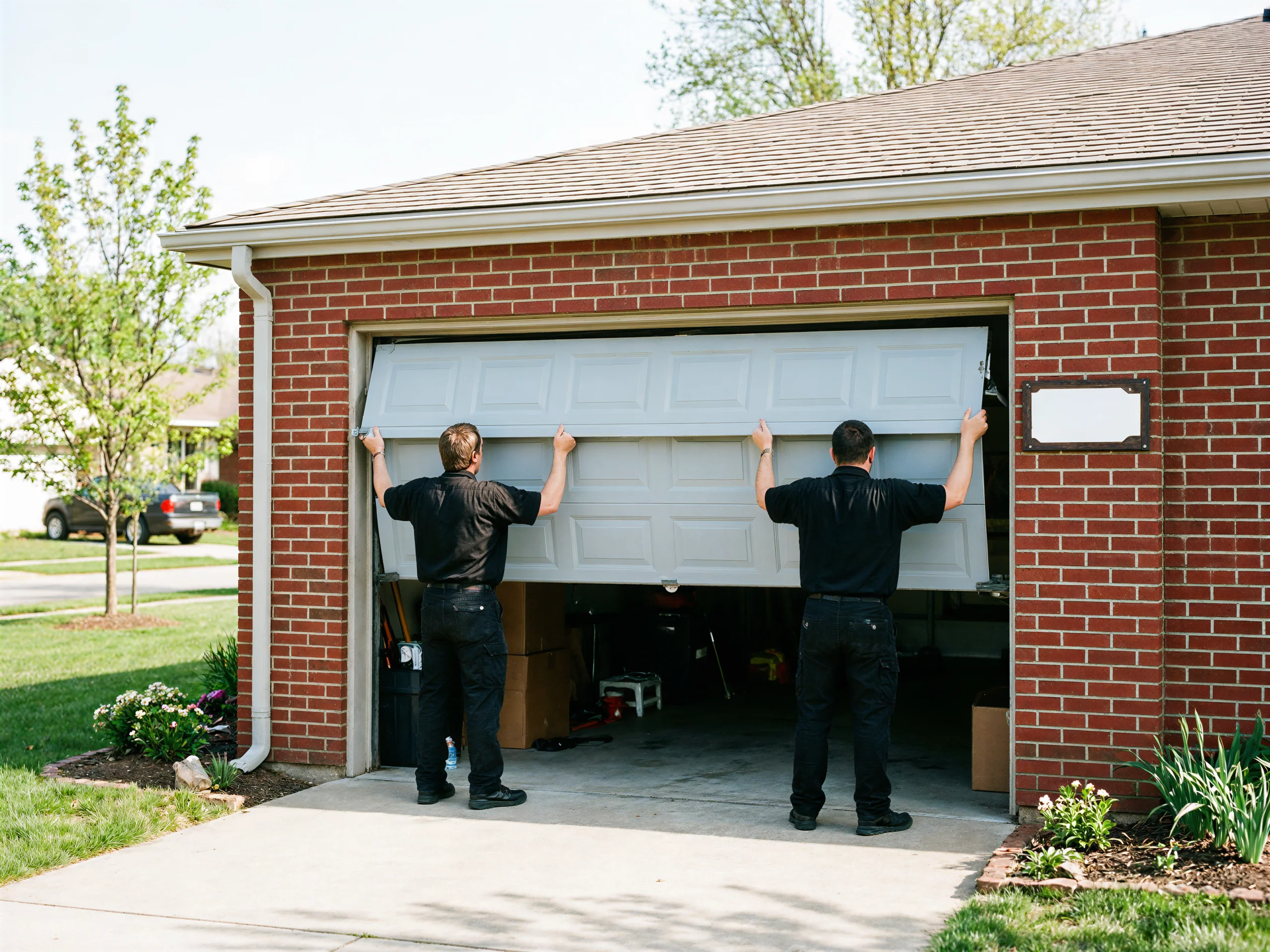
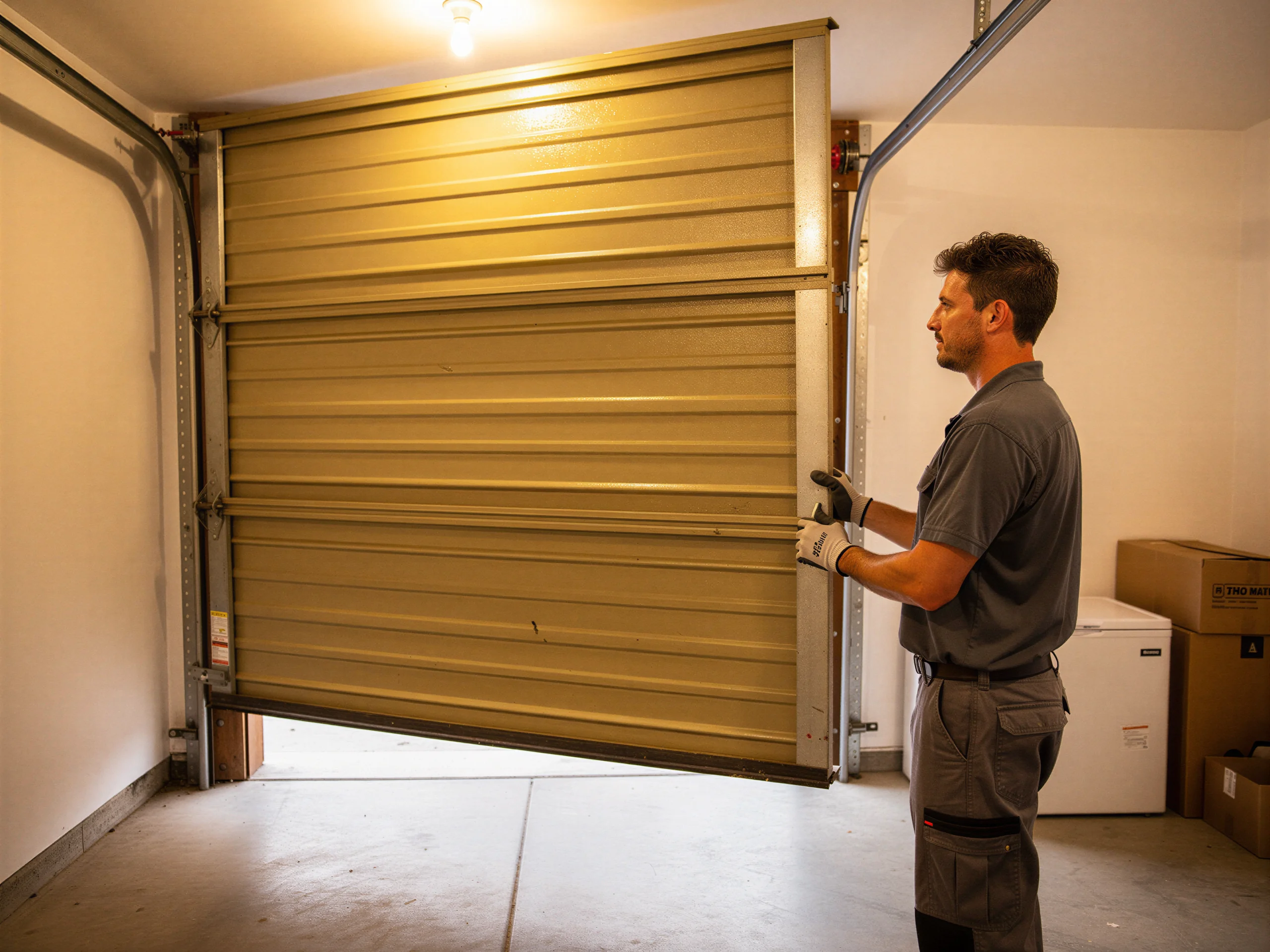
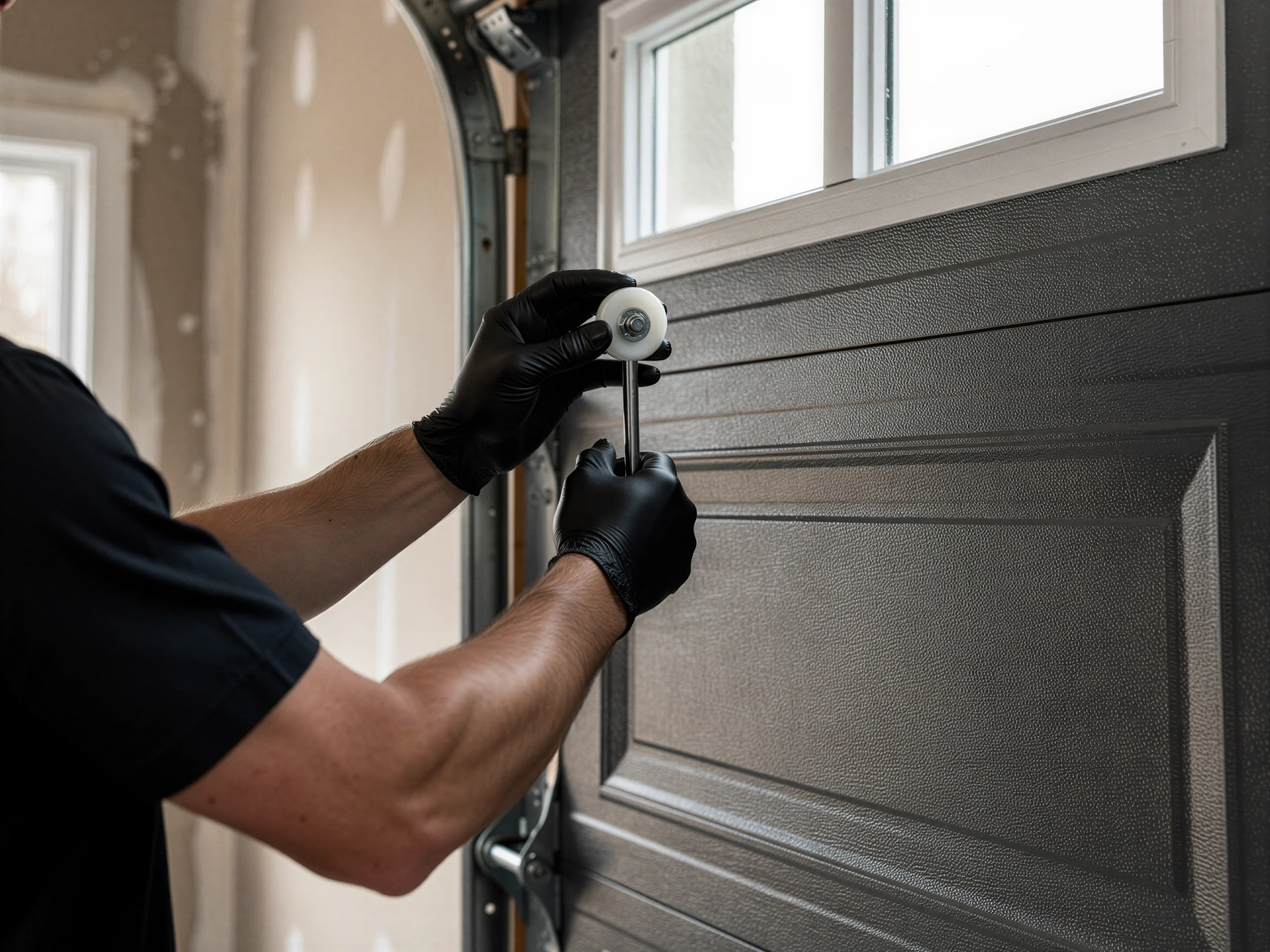
Doors from that build year were almost always single-layer steel, no insulation layer sandwiched in, hung on extension springs that run along the horizontal track rather than a torsion bar mounted over the opening. Swapping one of those out for a new door means more than bolting on a replacement panel.
We pull the old track and hardware, check the opening for square (it shifts over fifty years of settling), and in most cases convert the spring system to torsion, since that's what current doors and openers are built around. If the opening is a non-standard width - common in homes from this era before builders settled on today's typical sizes - the door gets ordered to fit rather than trimmed on site.
None of this is a same-day swap. Expect the hardware conversion and any custom sizing to add time to the job, and expect us to say so up front rather than quote you a number that only holds if everything behind the old door turns out to be standard.
DIY or pro
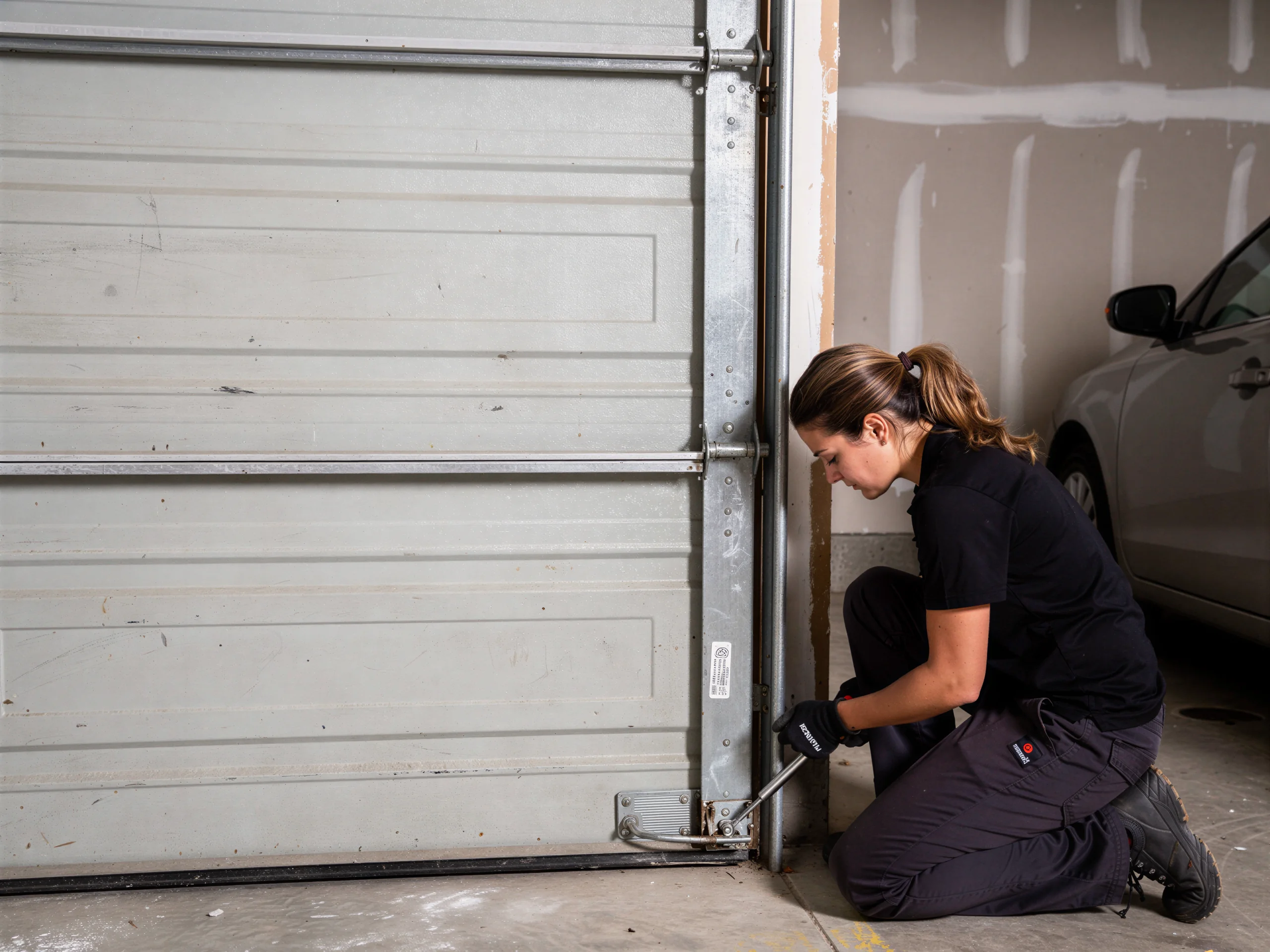
You can buy a door kit and attempt this yourself, and plenty of people do the panel-hanging part fine. Where it goes wrong is the spring.
A torsion spring under tension can break a hand or worse, and most big-box doors are sold assuming you'll either already have torsion hardware or hire someone who does.
If your Glen Ellyn house still has the original 1972-era extension spring setup, you're not just installing a door - you're converting a spring system you've likely never worked with before, under load, on a ladder. We'll say plainly: this is the one part of the job we don't recommend doing yourself, insulated door or not.
Where we do defer to the homeowner is cosmetic choice - panel style, window inserts, color - none of that carries any safety risk, and plenty of people shop that part on their own before calling anyone for the install.
Watch-outs
The service area sits in a cold-moderate climate band, and a 1972 single-layer steel door was never built with that in mind - no thermal break, no insulation core, just a sheet of steel between the garage and the outside air.
Replacing it with an insulated door is usually the point of the job, but the opening and framing from that era weren't built around today's thicker insulated panels either, so clearances sometimes need adjusting.
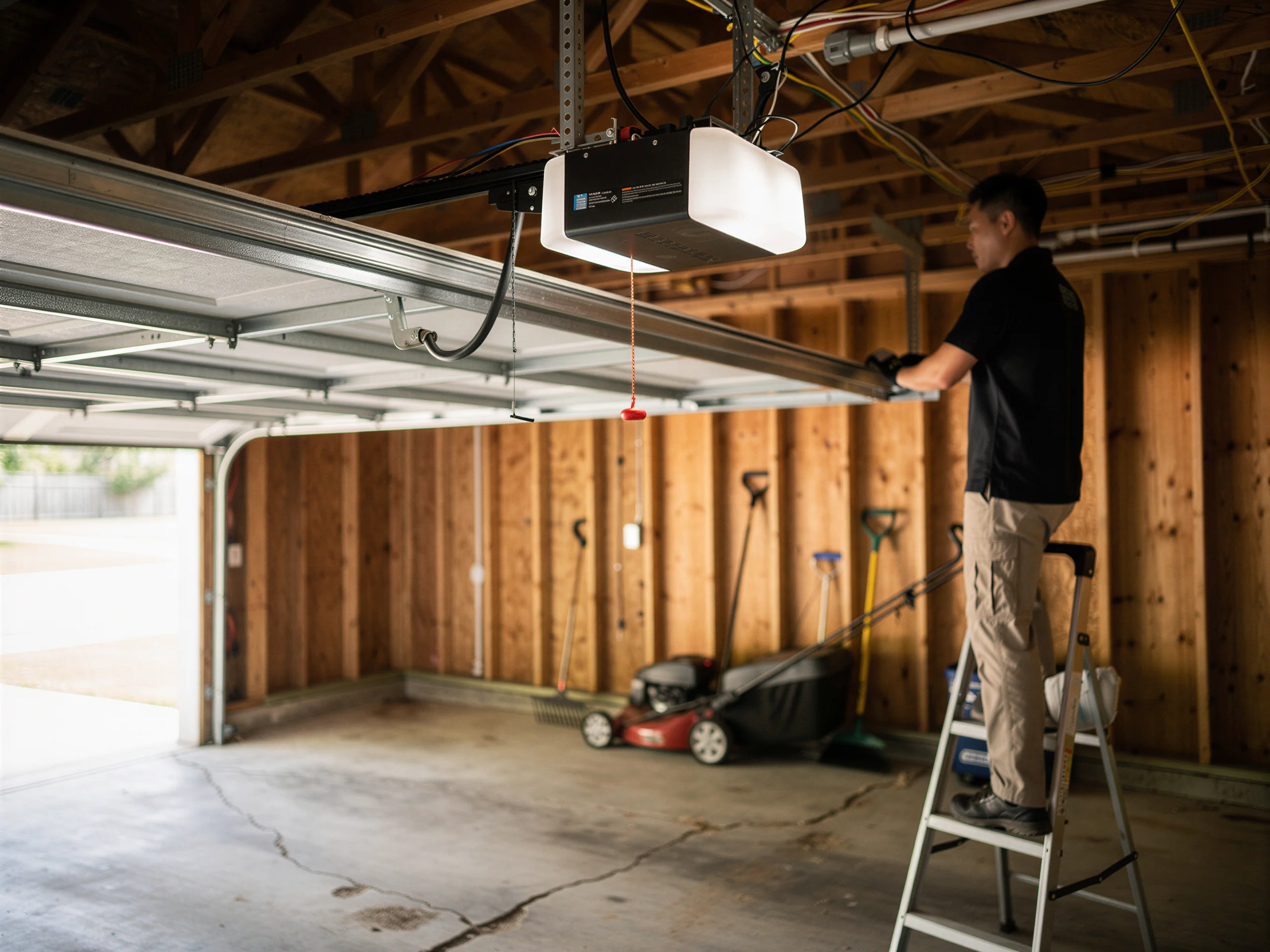
Openers are the other common snag: a door from 1972 often predates the opener entirely, meaning the existing opener (if there is one) may be a later retrofit with wiring and mounting that doesn't match a new door's travel or weight.
We check opener compatibility before the door goes in, not after, because finding out mid-install that the opener can't handle the new door's weight turns a one-visit job into two.
Pricing
We don't have a posted price list for Glen Ellyn jobs, and giving you a number without seeing the opening, the spring type, and the door you want would be a guess dressed up as a quote. What does move the number: whether the spring system needs converting to torsion, whether the opening needs reframing, insulation level (worth it here given the climate band), and door material. Glen Ellyn's median household income runs well above the wider service area's, and we mention that only because it tends to mean more homeowners asking about higher-end wood-look steel or heavier insulated doors rather than the base builder-grade option - that's a preference question, not a cost we can state without a look at your door.
Warning signs
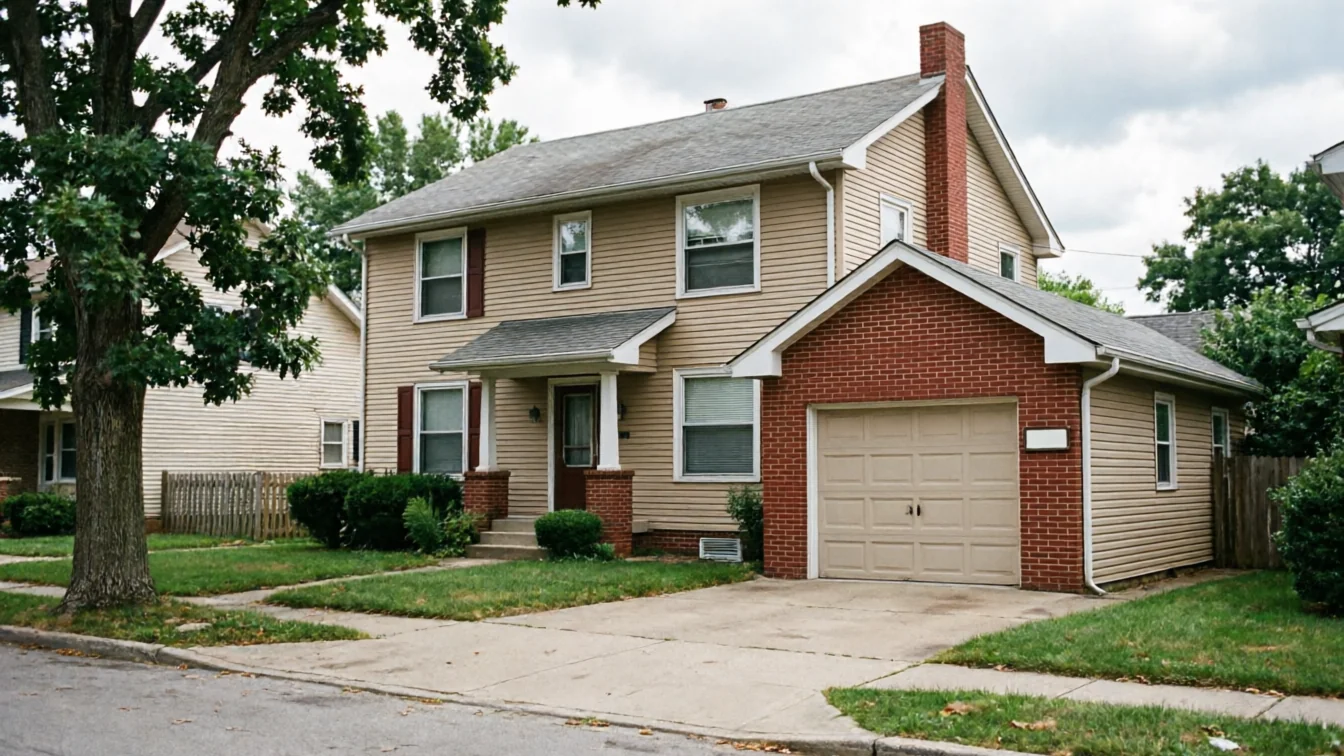
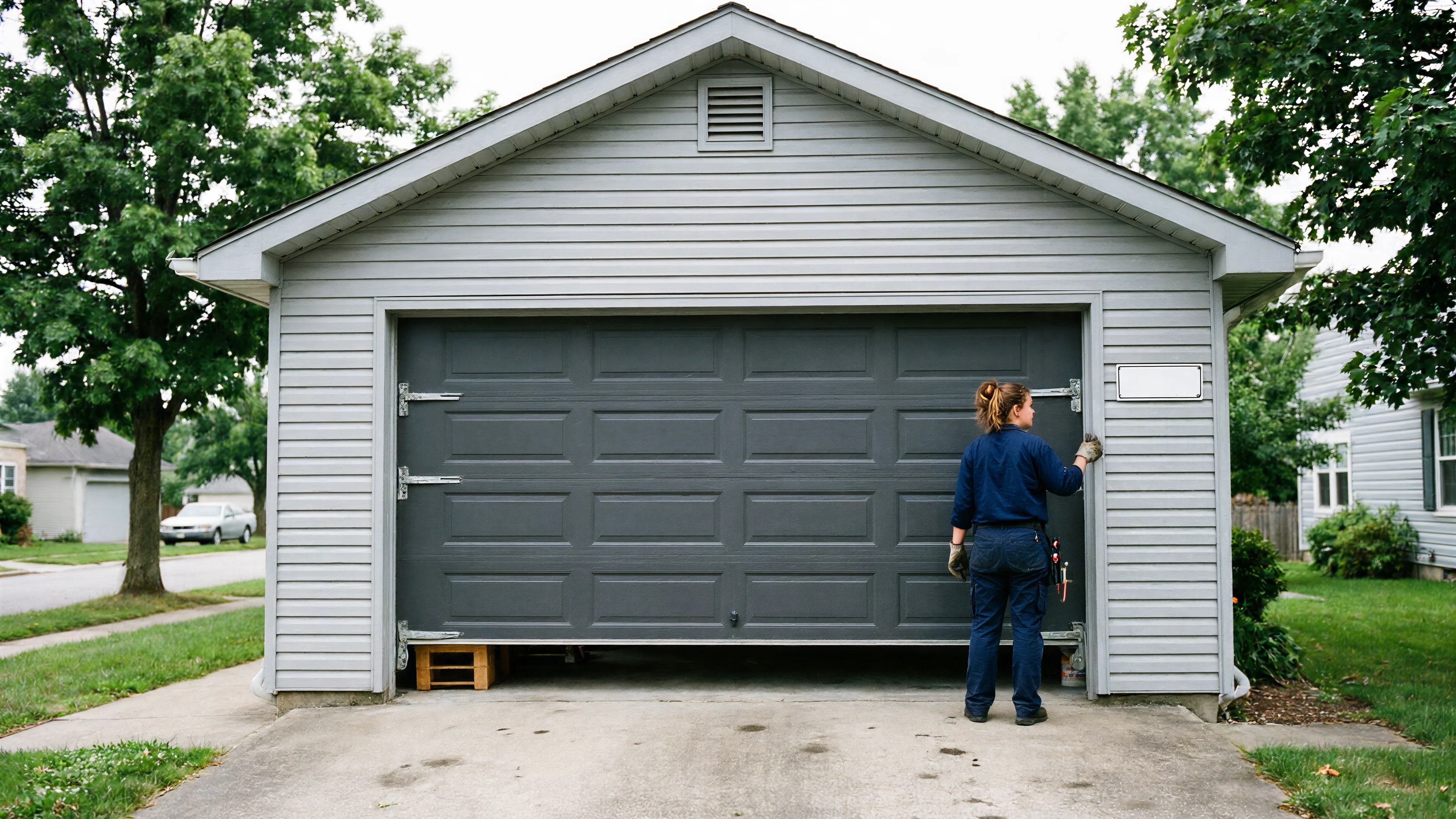
If your door is original to a house built around 1972, the signs are usually the same: panels that have started to bow or dent along the bottom section, rust creeping up from the ground track, rollers that grind instead of roll, and a door that feels heavier to lift than it used to because the springs have lost tension over five decades of cycles. Cold air leaking in around the edges in winter is the other common complaint, and it's a direct result of that single-layer steel construction never having an insulation layer to begin with. None of these on their own always means replace rather than repair, but on a door this old, once two or three of them show up together, a repair bill starts approaching what a new door costs anyway.
Questions
If your house dates to around 1972 and the door is original, it's likely single-layer steel on extension spring hardware that's near the end of its service life. We can repair individual failures, but once the springs, rollers, and panel condition all need attention at once, a new door usually costs about the same as stacking repairs and gets you insulation you don't currently have.
Sometimes. It depends on the opener's age, its weight rating, and whether it was original to the house or added later. We check this before installing, because a door that's heavier or insulated differently than the old one can exceed what an older opener was built to lift.
If your home still has the original extension spring setup from 1972, most new doors are built to pair with a torsion bar, not extension springs. We convert the hardware as part of the install rather than trying to force a new door onto an old spring system.
We run out of Plainfield, about 19 miles from Glen Ellyn. We don't keep a local depot or branch here - every job is a truck dispatched out for that visit, which we factor into scheduling rather than promising a same-day response we can't back up.
Explore more
Ready when you are
Plainfield Garage Door Pros repairs and installs garage doors, springs and openers in Plainfield, IL and the surrounding area.