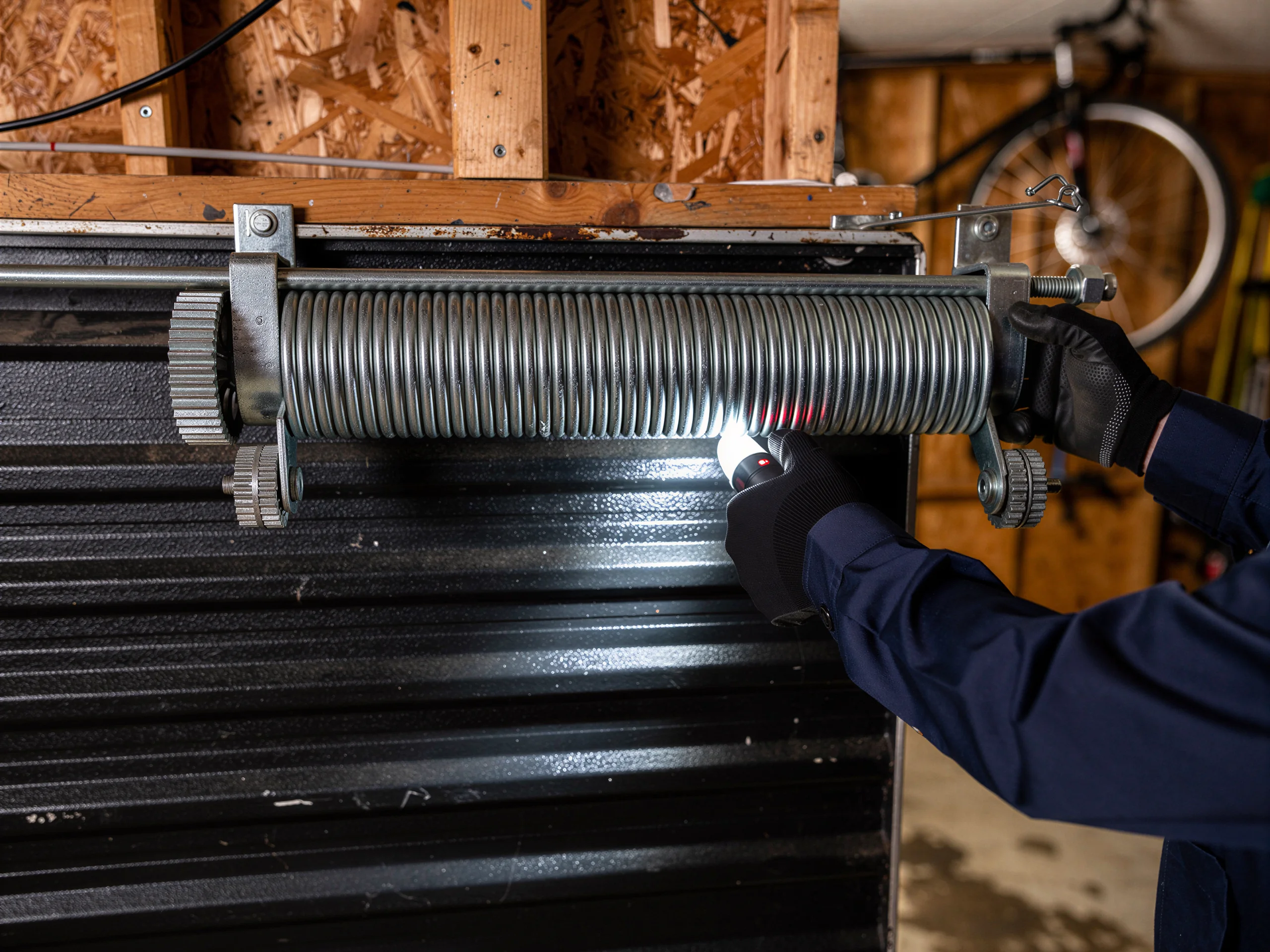
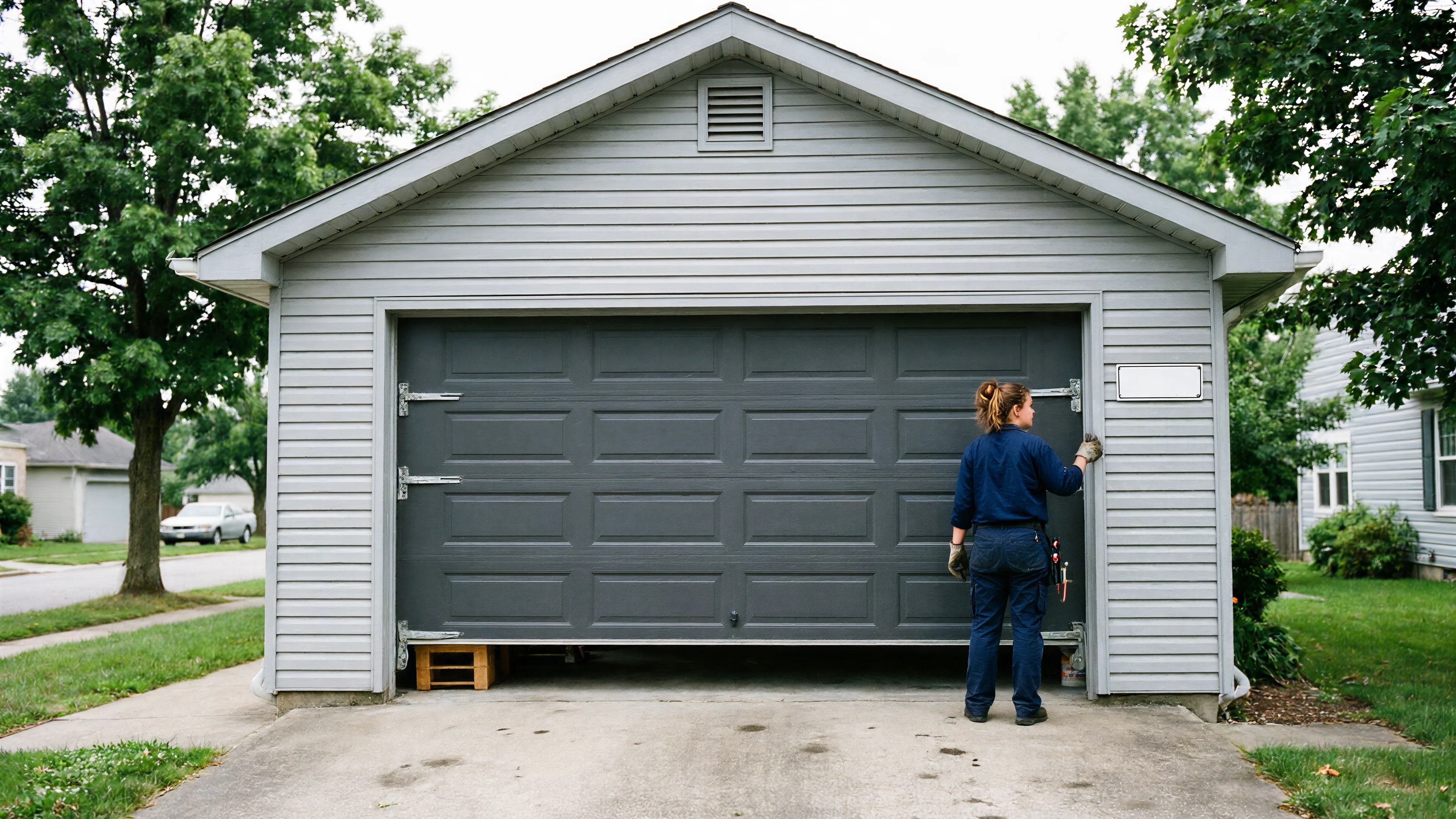
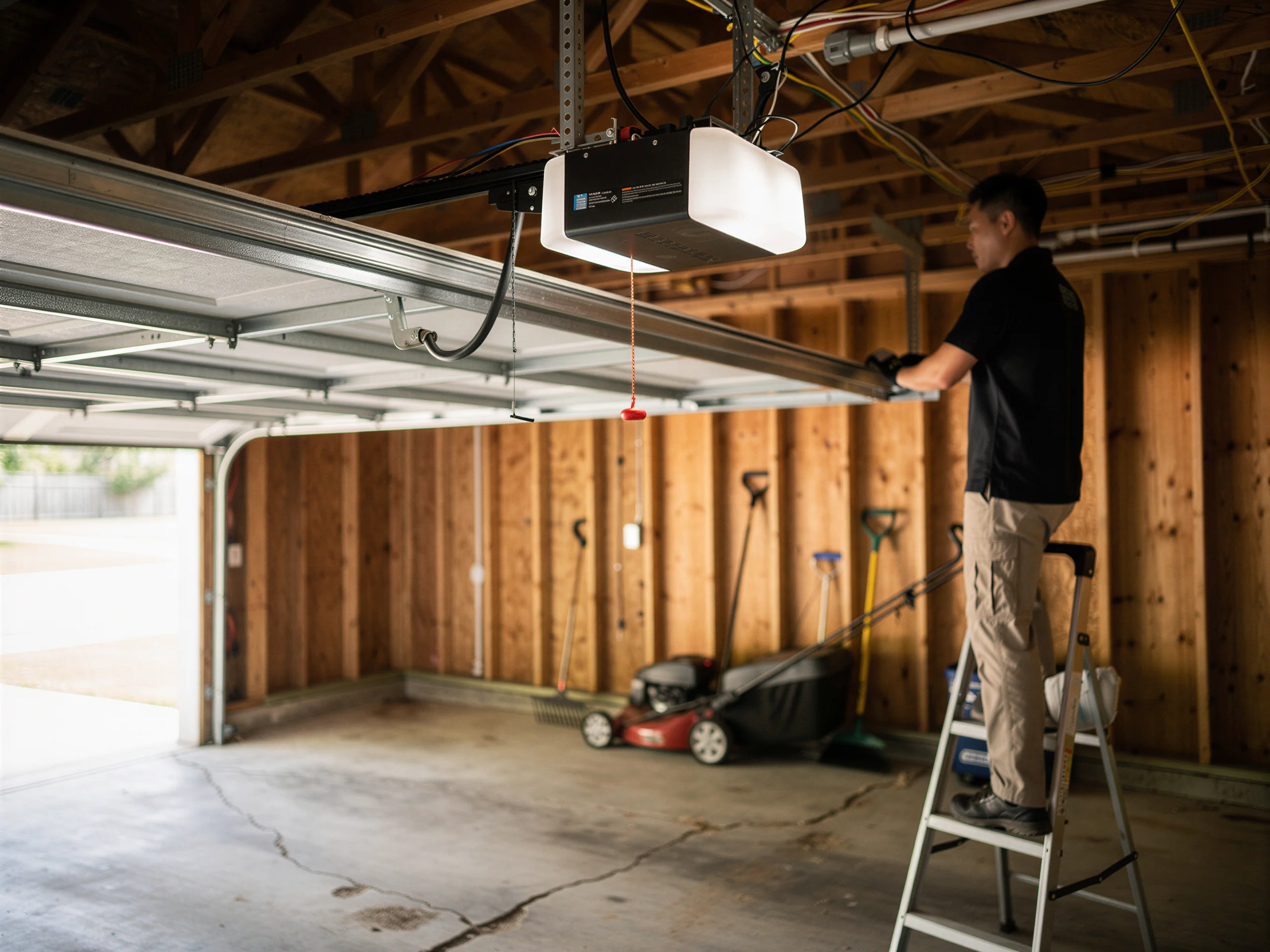
Most houses across this service area were built between 1958 and 2004, with the typical home dating to around 1985, and the spring on that door is either original or on its second or third replacement by now. A torsion spring is rated for a set number of open-close cycles, usually somewhere in the 10,000-cycle range for a standard residential spring, and a door used twice a day for three decades has been through a lot of winters.
That matters here because winters are genuinely cold, not just chilly. Steel springs contract and stiffen in cold temperatures, and they're under the most load exactly when you're asking the opener to lift a door that's picked up extra weight from snow or ice buildup. That combination - aging original hardware plus cold-weather loading - is why spring failures cluster in the colder months across this area's housing stock far more than in newer construction elsewhere.
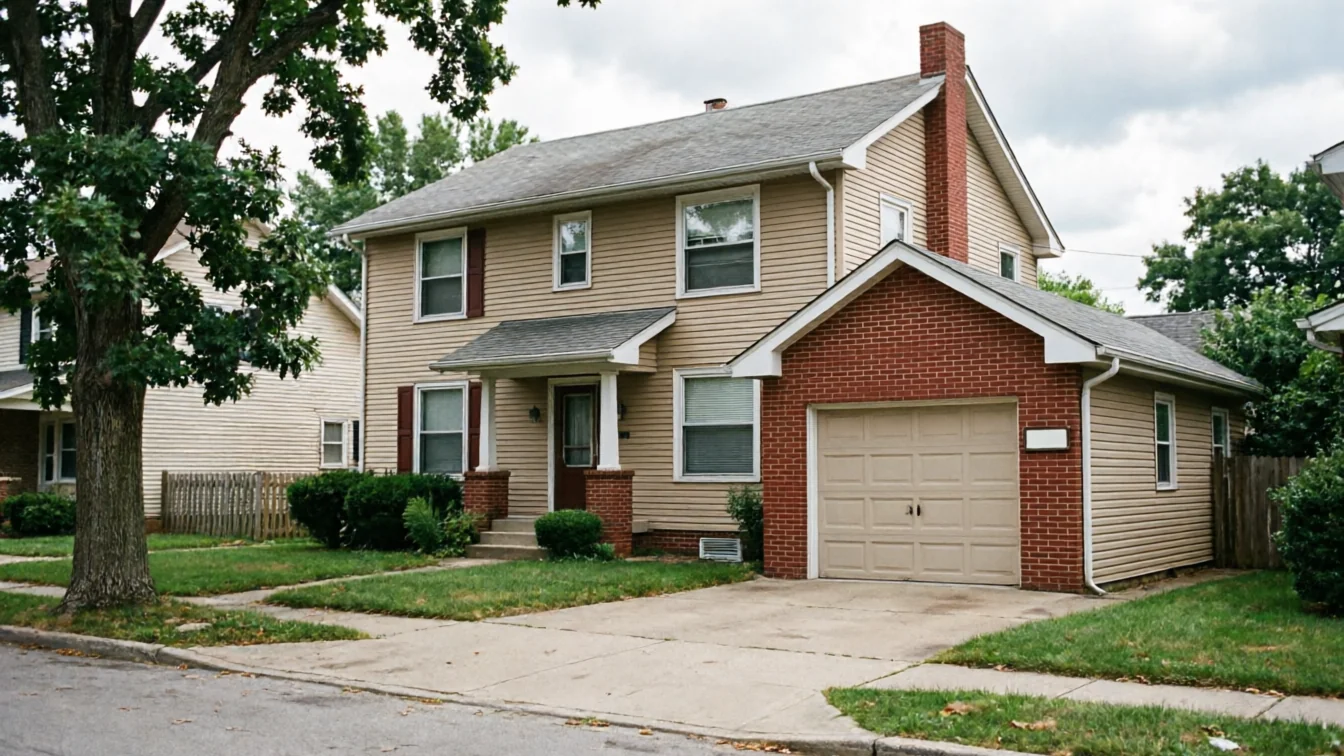
Across the 210,900 households here, 112,206 are owner-occupied houses with a garage and, in nearly every case, a spring system nobody's thought about since it was installed. We cover the ground from Boulder Hill and Romeoville out to Shorewood, Montgomery, Yorkville, and as far as Burr Ridge and Clarendon Hills, roughly seven to nineteen miles in different directions - the service area is large enough that housing age varies street to street, but the underlying pattern holds across most of it.