
Unlabeled spring specifications
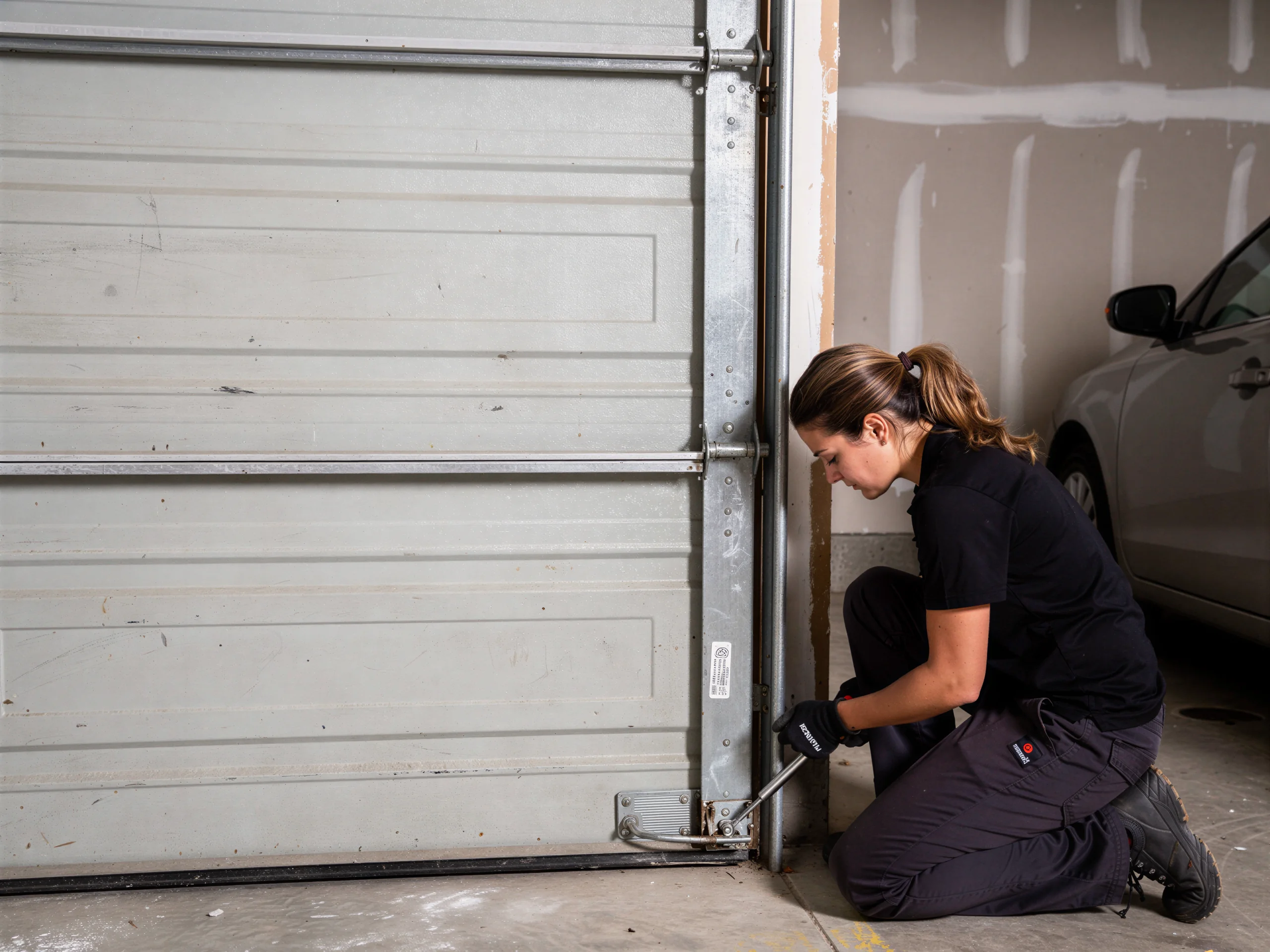
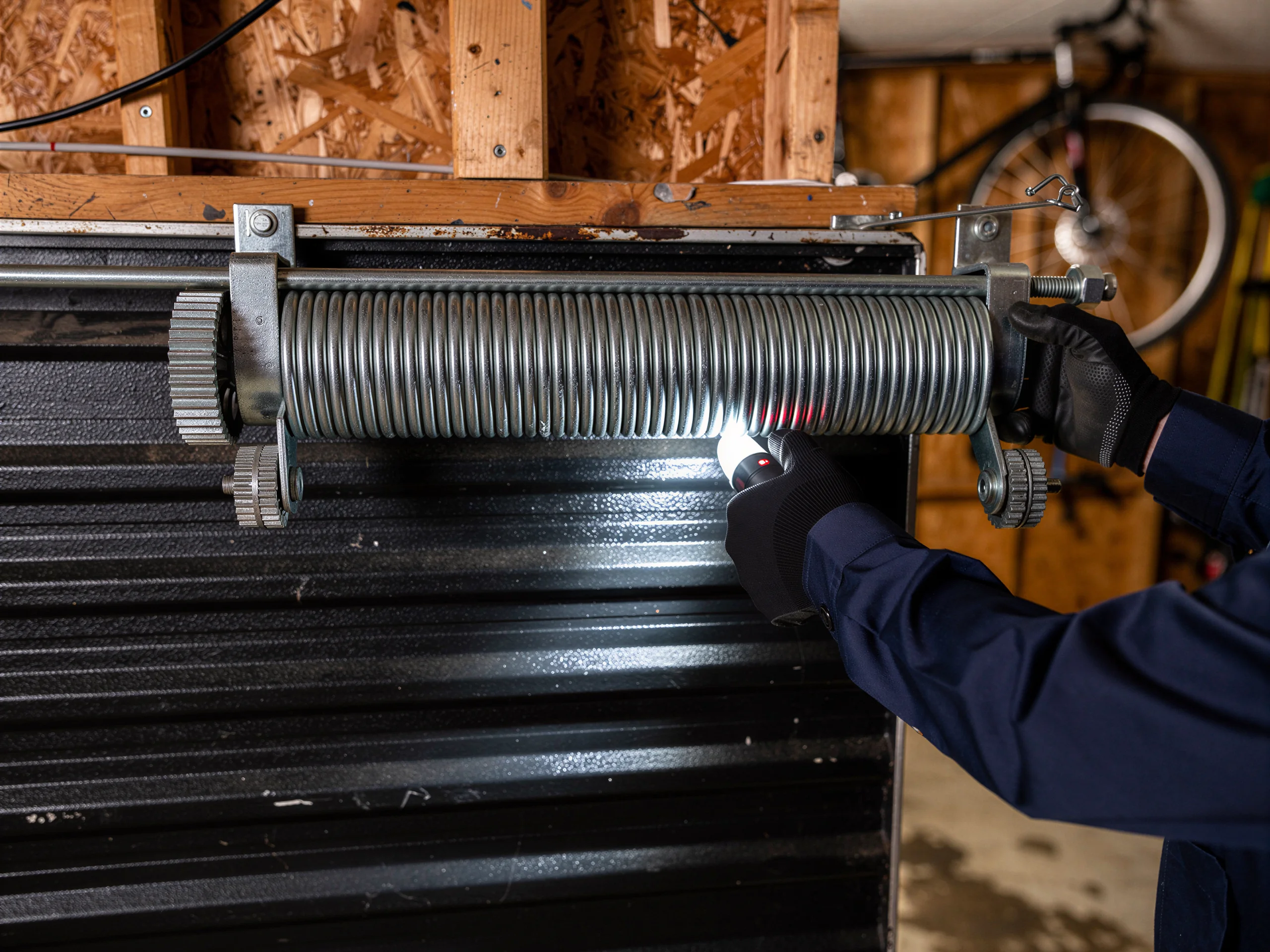
Doors from that era carry torsion springs wound to specs nobody labeled, and winding or unwinding one wrong puts real force into your hands and face. Measuring the opening is the easy part.
Geneva, Plainfield
Geneva's garage doors mostly went up in the mid-1980s. Here's what a new install involves when the old door, track, and opener are all from that era.
DIY or pro
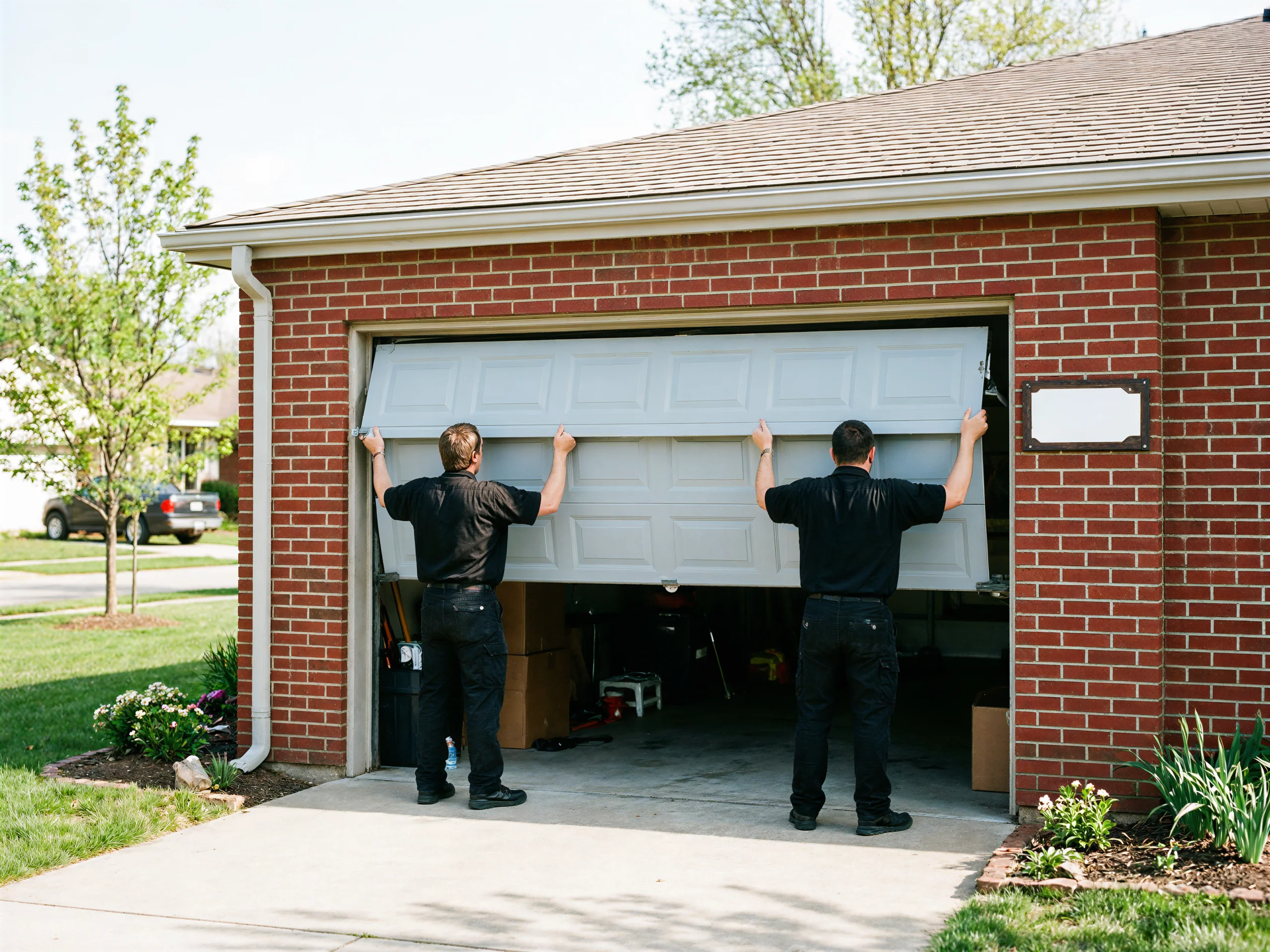
A door swap is not a weekend project most owners should take on alone, and that's doubly true in Geneva, where the house behind the door was likely built around 1986.
Doors from that era carry torsion springs wound to specs nobody labeled, and winding or unwinding one wrong puts real force into your hands and face. Measuring the opening is the easy part.
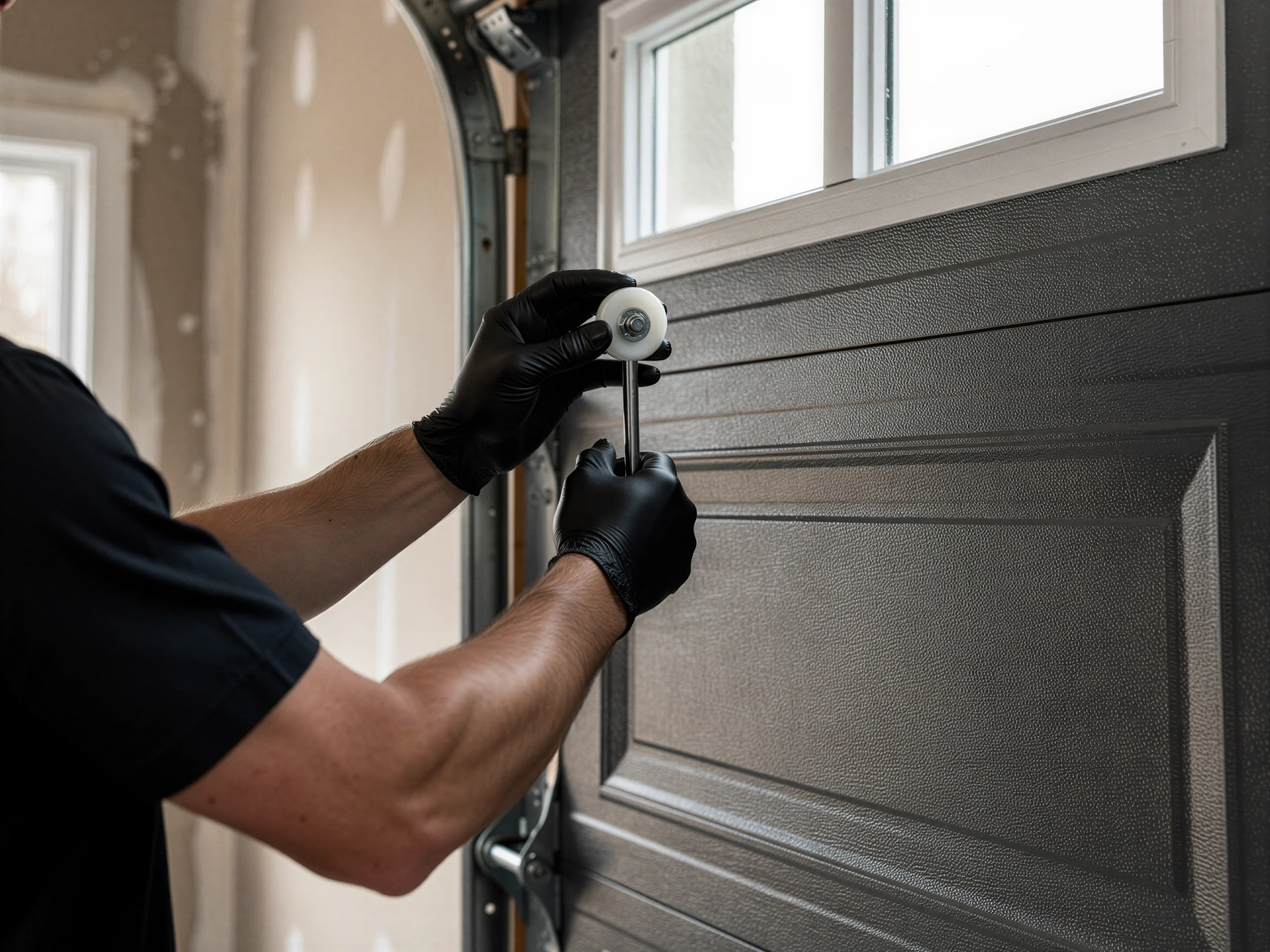
Matching track radius to your header clearance, sizing a new torsion spring to the actual door weight, and rewiring a new opener to work with an existing wall switch or keypad from the same decade - that's where DIY installs go sideways.
If your current setup still has the original hardware, we'd rather walk you through what to check before you buy a door than have you return one that doesn't fit the track run. We're honest that some of this job is a two-person task even for someone handy, because panels this size are awkward alone, not because the tools are exotic.
Warning signs
Most of what we get called out for in Geneva is a door that's doing its job but doing it badly: sagging bottom panels, a chain-drive opener straining louder than it used to, cold air coming through gaps that weren't there ten years ago. That tracks with a town where the median home was built in 1986 - doors from that period were almost always single-layer steel, uninsulated, and sized to a lift system built for a lighter panel than what gets installed today. If you're seeing visible daylight around the edges or the door is noticeably colder to the touch than the rest of the garage wall, you're not looking at a broken part so much as a door that was never built for the insulation standards homeowners expect now. That's a replacement conversation, not a repair one.
The repair
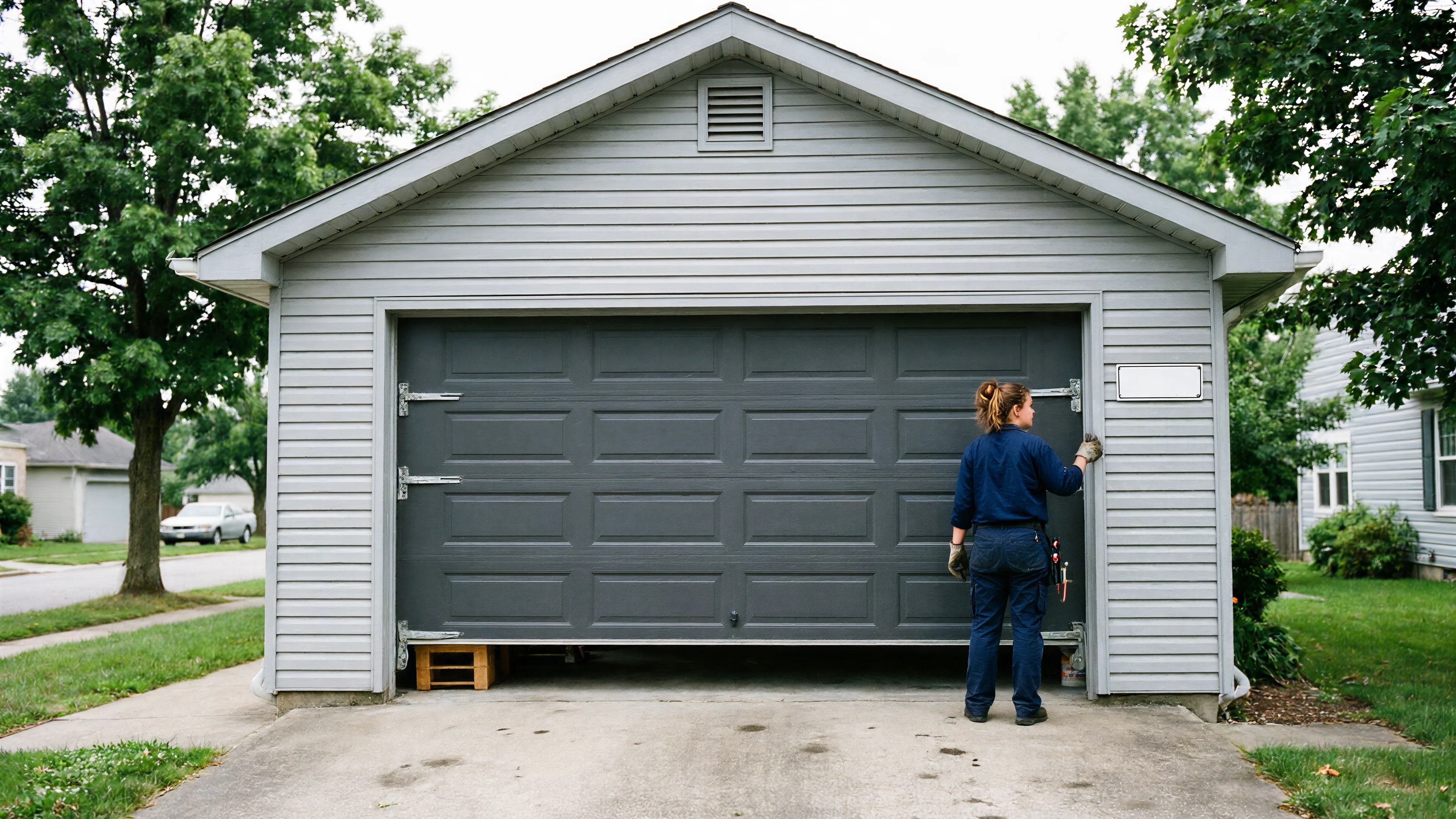
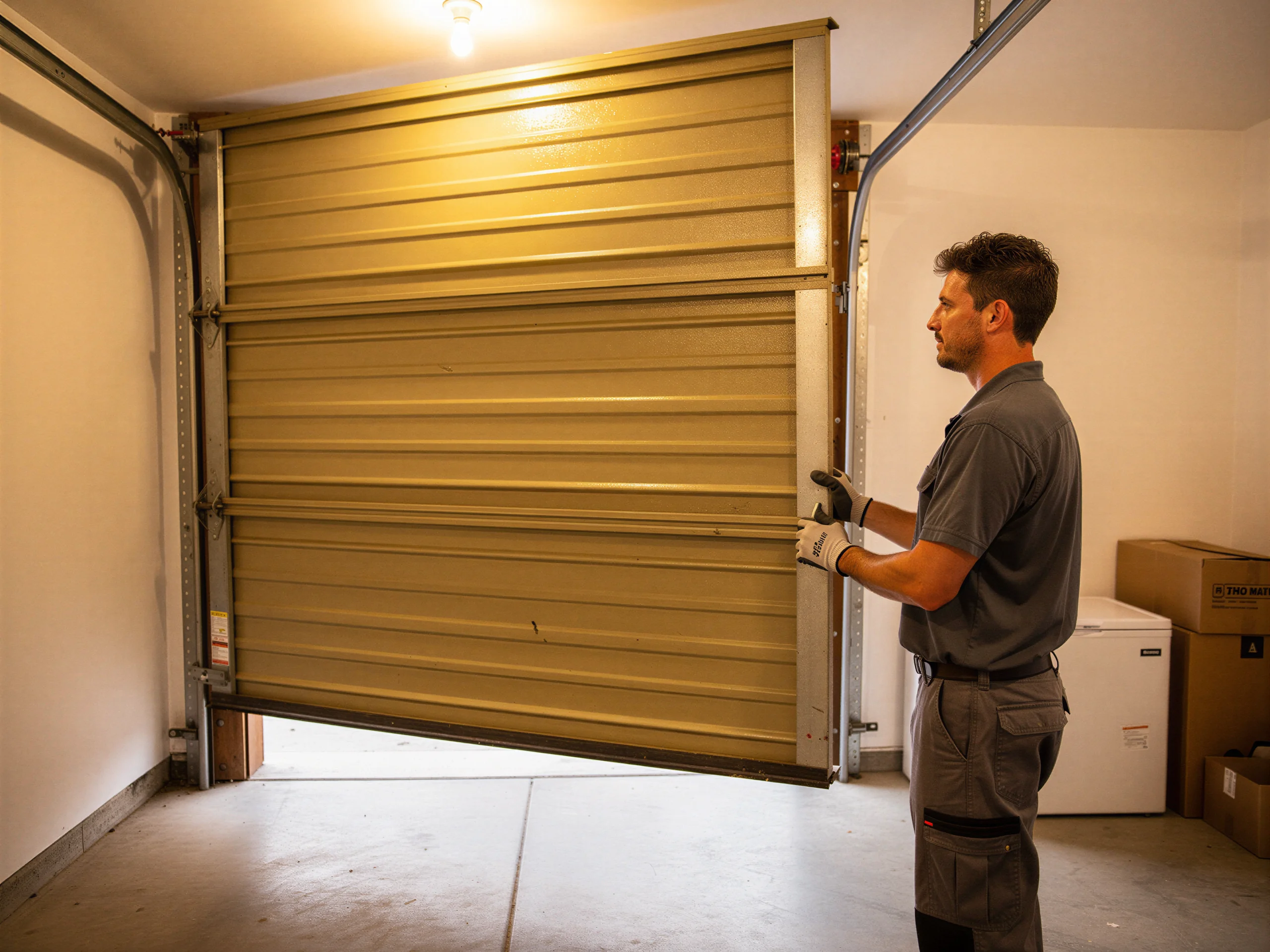
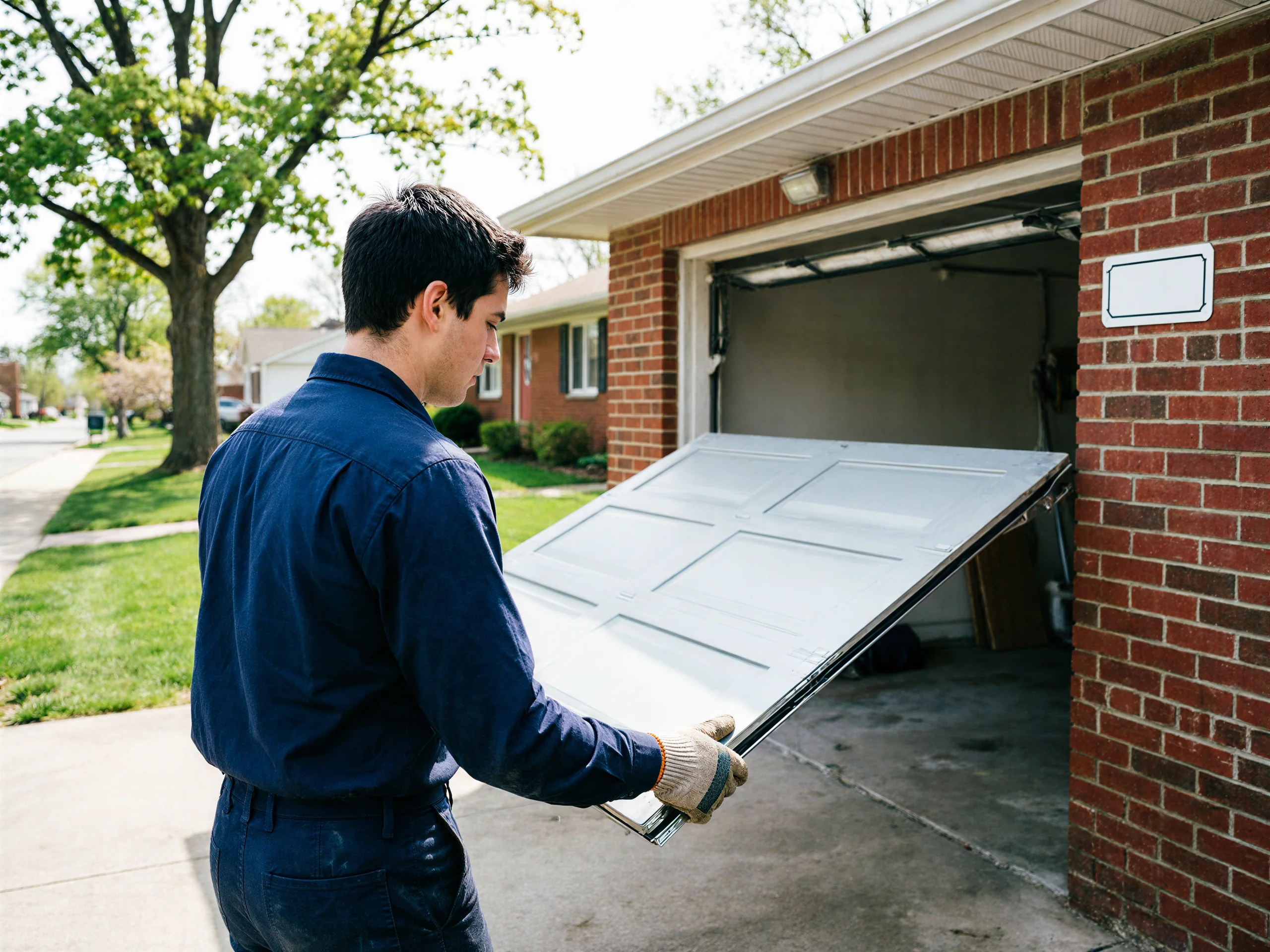
When the call is for a new install rather than a fix, the job starts with pulling the old door and track off the opening and checking the jambs for square - common on houses from the mid-1980s where original framing has shifted slightly over the decades.
From there it's new track, new torsion spring sized to the new door's actual weight (insulated doors run heavier than the single-layer steel they're replacing), and new lift cables.
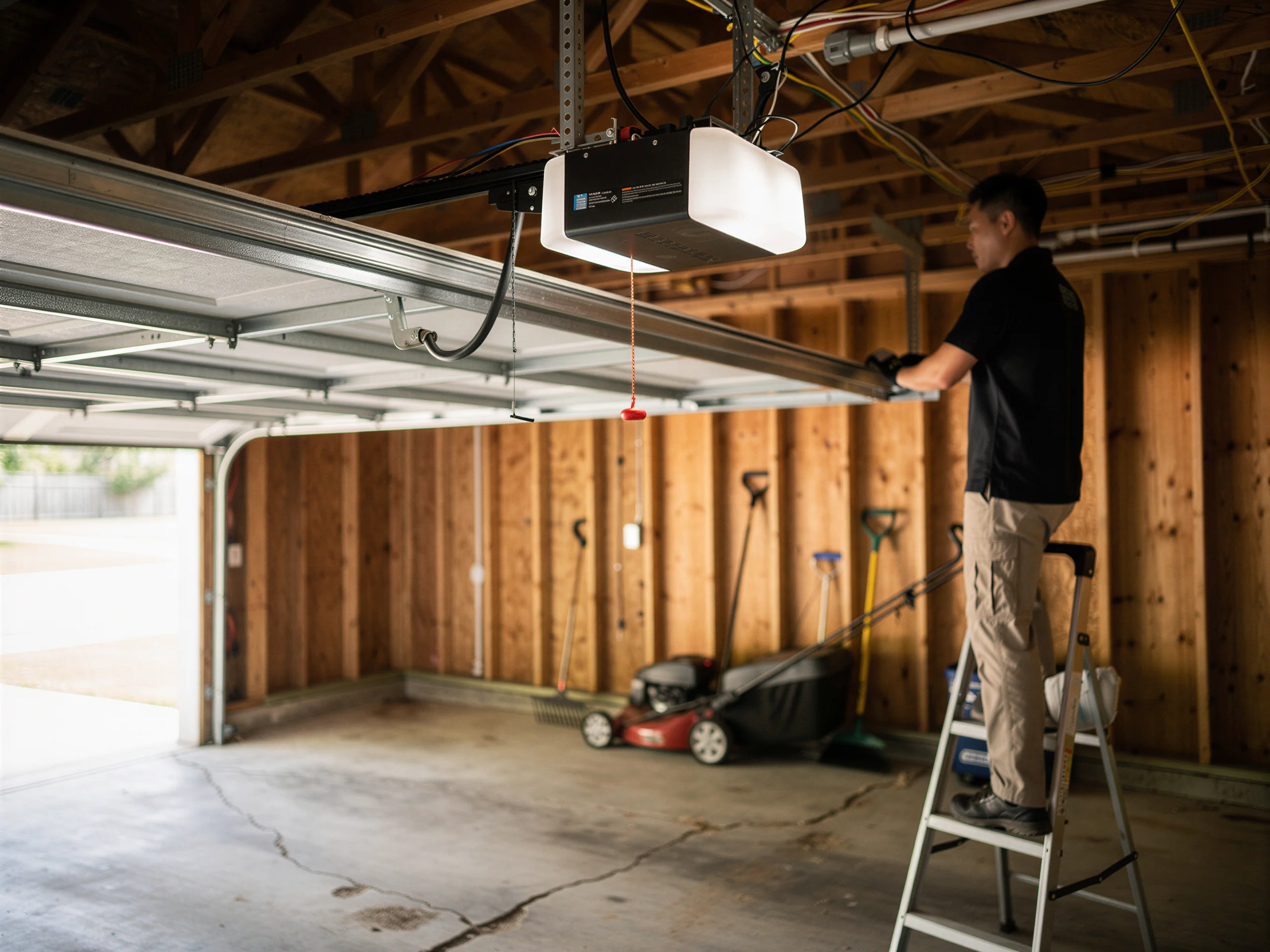
If the opener is original to the house, we'll tell you straight whether it's worth keeping; a 1980s chain-drive unit paired with a heavier insulated door usually isn't a good match, and we won't pretend otherwise.
Drive time matters here too - Geneva sits about 18 miles from our Plainfield shop, so install day gets scheduled as its own appointment rather than squeezed in after a service call.
Pricing
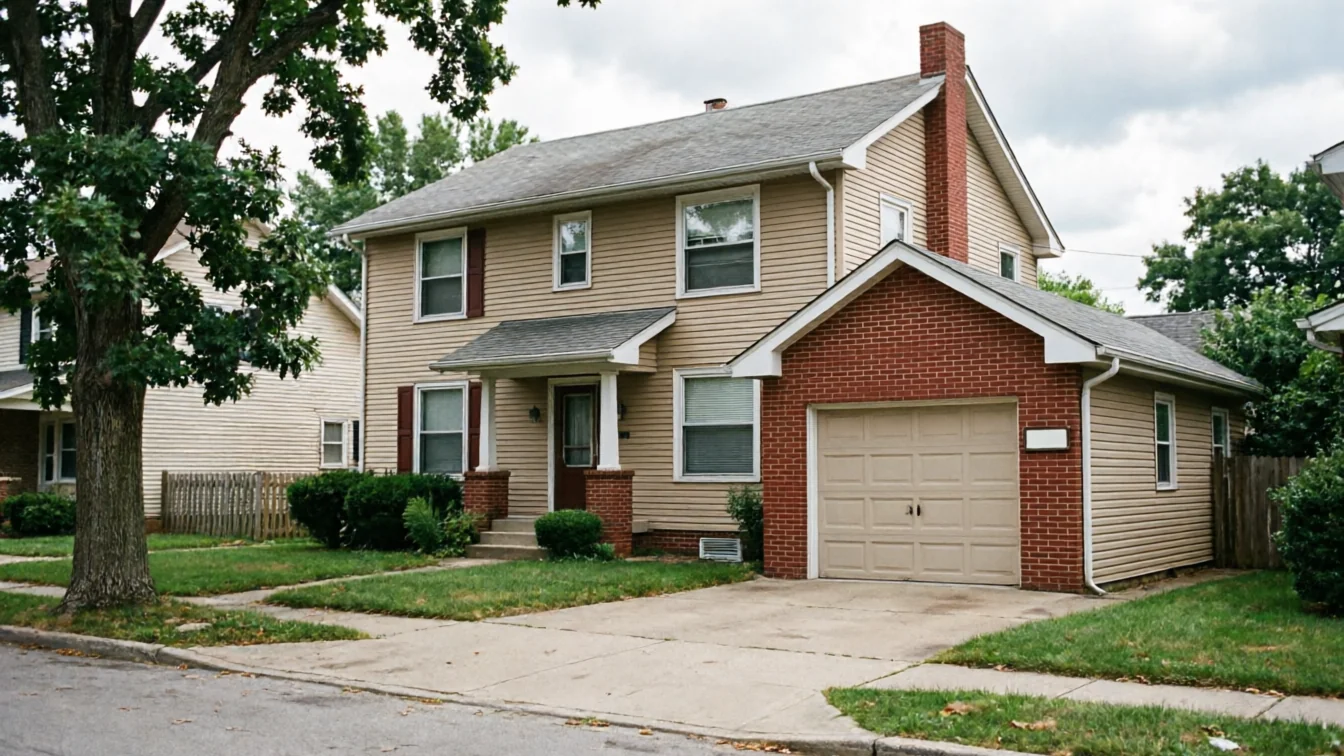
We don't have a published price list to hand you here, and giving you a number without seeing your actual opening, door weight, and spring spec would be a guess dressed up as a quote. What we can tell you is what drives the cost: panel material and insulation rating, whether the existing track and header need modification, and whether the opener gets replaced alongside the door. Geneva's median household income runs well above the regional figure, and in practice that means more owners here ask about insulated, double-layer doors with upgraded R-values rather than the base steel option - that choice moves the price more than almost anything else on the job.
Local causes
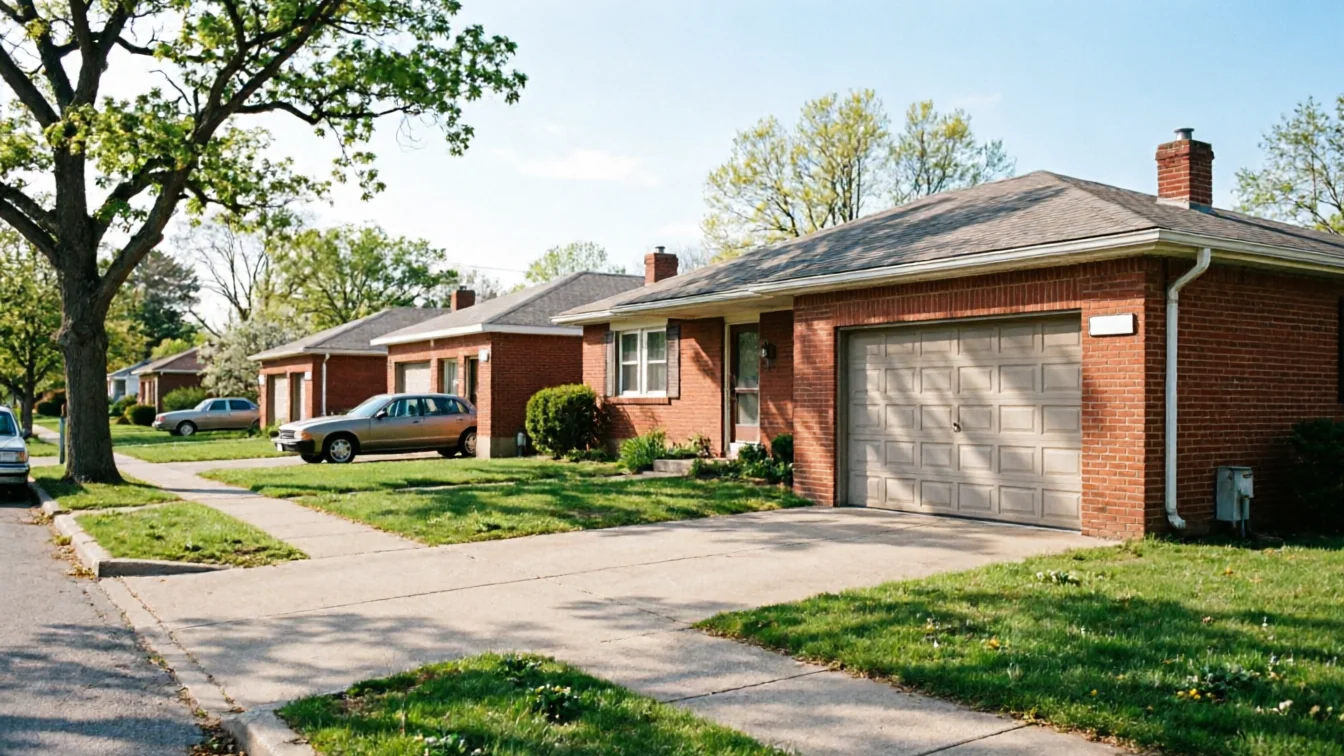
The doors going up in Geneva in the 1980s were built for a different climate expectation than the code owners design to now. This is a cold-climate region, and a single-layer steel door with no thermal break was standard then - it wasn't a corner someone cut, it's just what every builder installed. Thirty-plus years later that same door is the coldest surface in a lot of attached garages, and it's usually the weak point in the wall when it comes to winter heat loss. A new install isn't just cosmetic here; it's closing a gap between what 1986 construction allowed for and what an insulated door can actually hold back now.
Questions
Most of Geneva's housing dates to around 1986, and original steel doors from that era are now past the point where parts repair makes sense on their own - springs and rollers can be swapped, but a thirty-plus-year-old uninsulated panel usually isn't worth patching further.
No. We work out of Plainfield, about 18 miles away, and schedule Geneva installs as their own appointment rather than a same-day add-on. We're straightforward about that distance when we book the job.
Often not without changes. Insulated doors weigh more than the single-layer steel common in 1980s construction, which usually means a new torsion spring sized to the heavier panel and sometimes a stronger opener. We check this before quoting.
For most Geneva homeowners, yes. This region sits in a cold climate band, and a non-insulated door from the 1980s is typically the weakest point in an attached garage wall during winter. An insulated replacement closes that gap.
Explore more
Ready when you are
Plainfield Garage Door Pros repairs and installs garage doors, springs and openers in Plainfield, IL and the surrounding area.