
Hand-bar winding dangers
Winding or unwinding that spring with hand bars, without the right wind cone and clamp, is how people lose fingers and worse. We're not going to walk you through doing it yourself here, because the honest answer is: don't.
Romeoville, Plainfield
Romeoville homes built mostly in the late 1990s mean torsion springs rated for about 10,000 cycles that are now 25+ years deep. Here's what that means for the repair.
DIY or pro
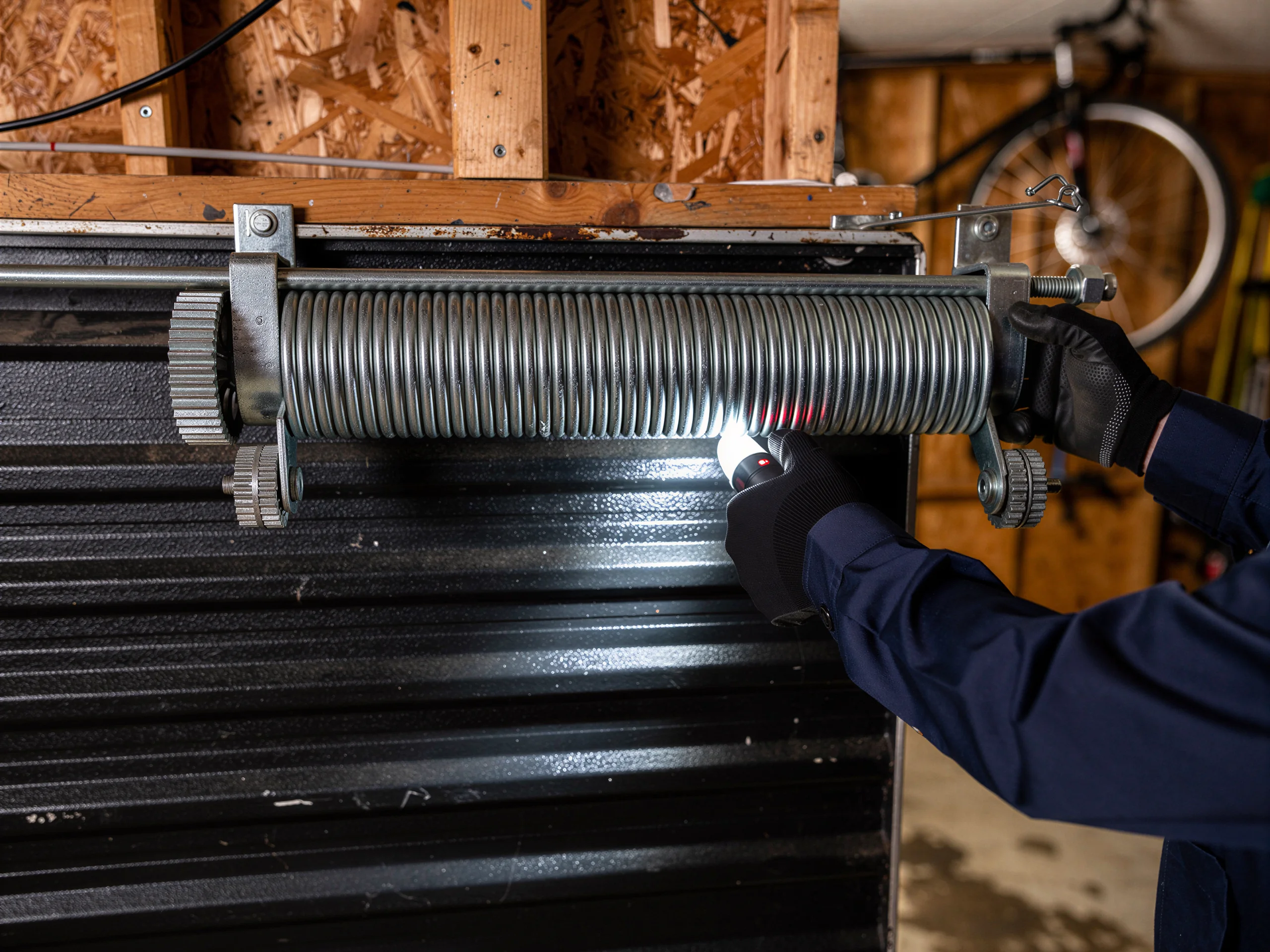
A torsion spring holds the full weight of the door under tension, and that tension doesn't care how careful you are. If the door in your Romeoville garage went up around the median build year here - 1998 - it's running the factory-standard torsion setup from that era: a single or double spring on a steel shaft, wound to a count that matched the door's weight at install.
Winding or unwinding that spring with hand bars, without the right wind cone and clamp, is how people lose fingers and worse. We're not going to walk you through doing it yourself here, because the honest answer is: don't.
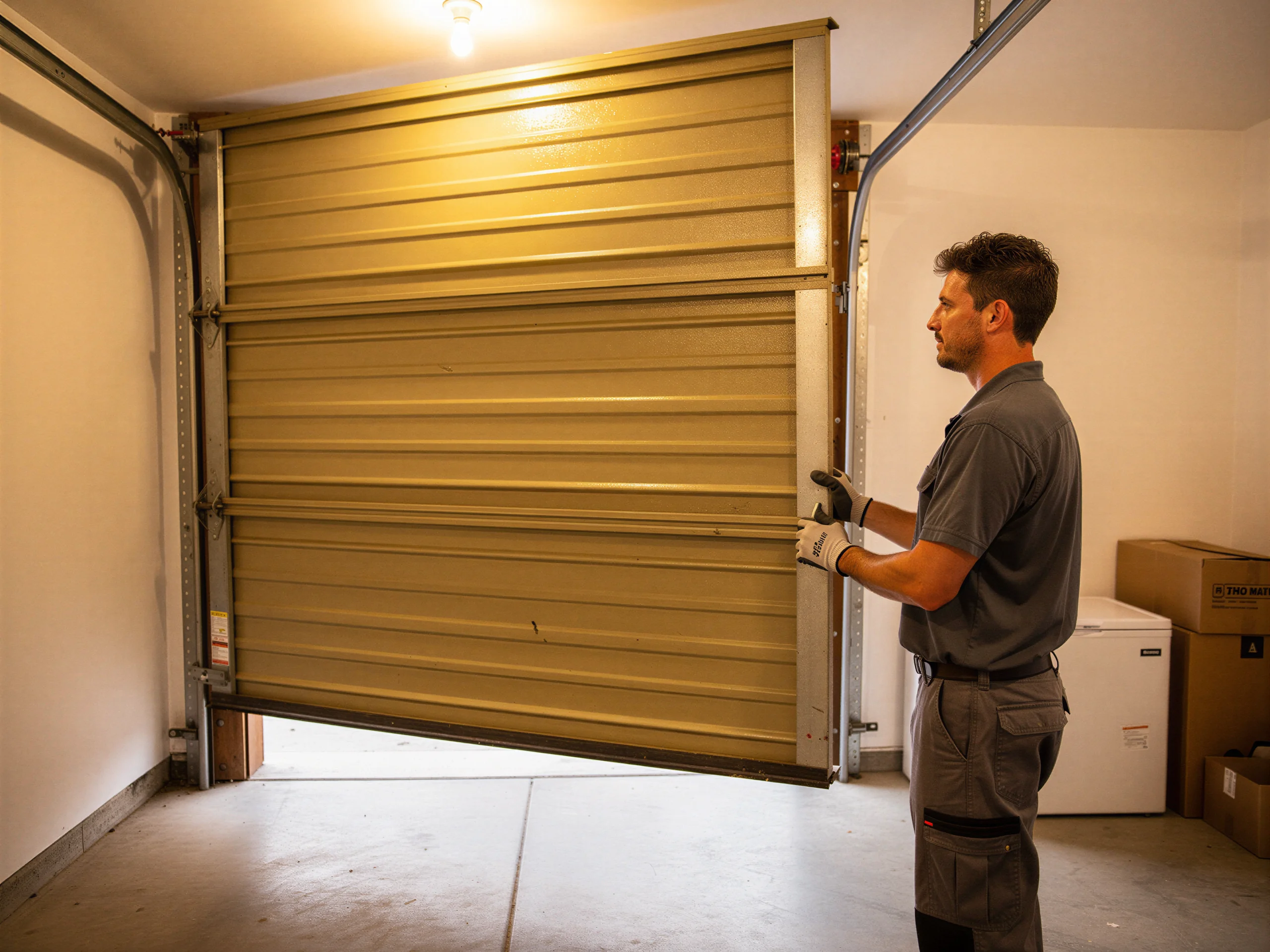
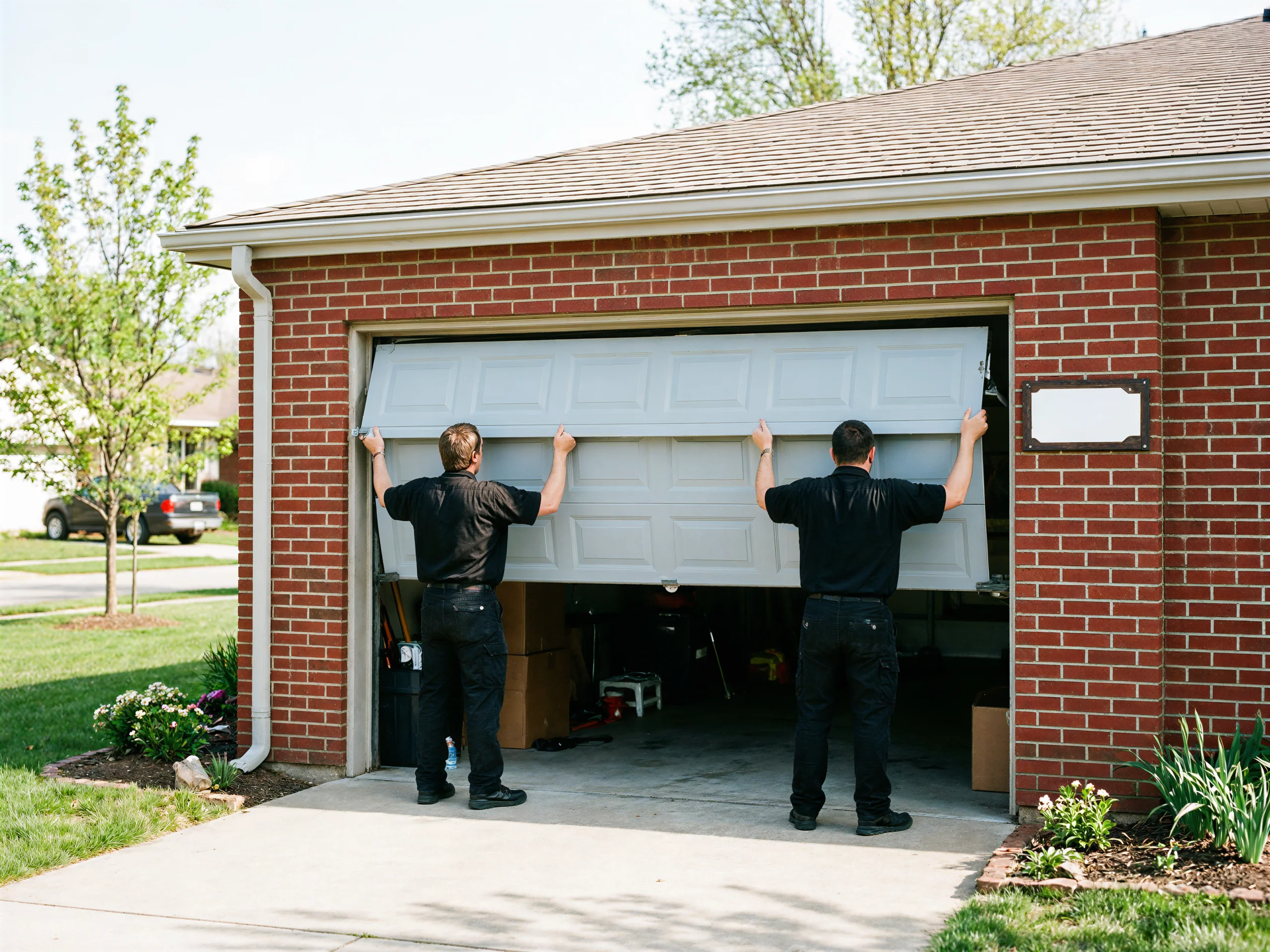
What you can safely do is diagnose. Check if the door is unbalanced - lift it halfway by hand with the opener disconnected. If it won't hold position, that's a spring, not an opener problem.
Note whether you hear a bang (sudden spring failure) or a slow give (cable or bearing wear). That diagnosis helps the call go faster once someone with the right tools is on site.
Local causes
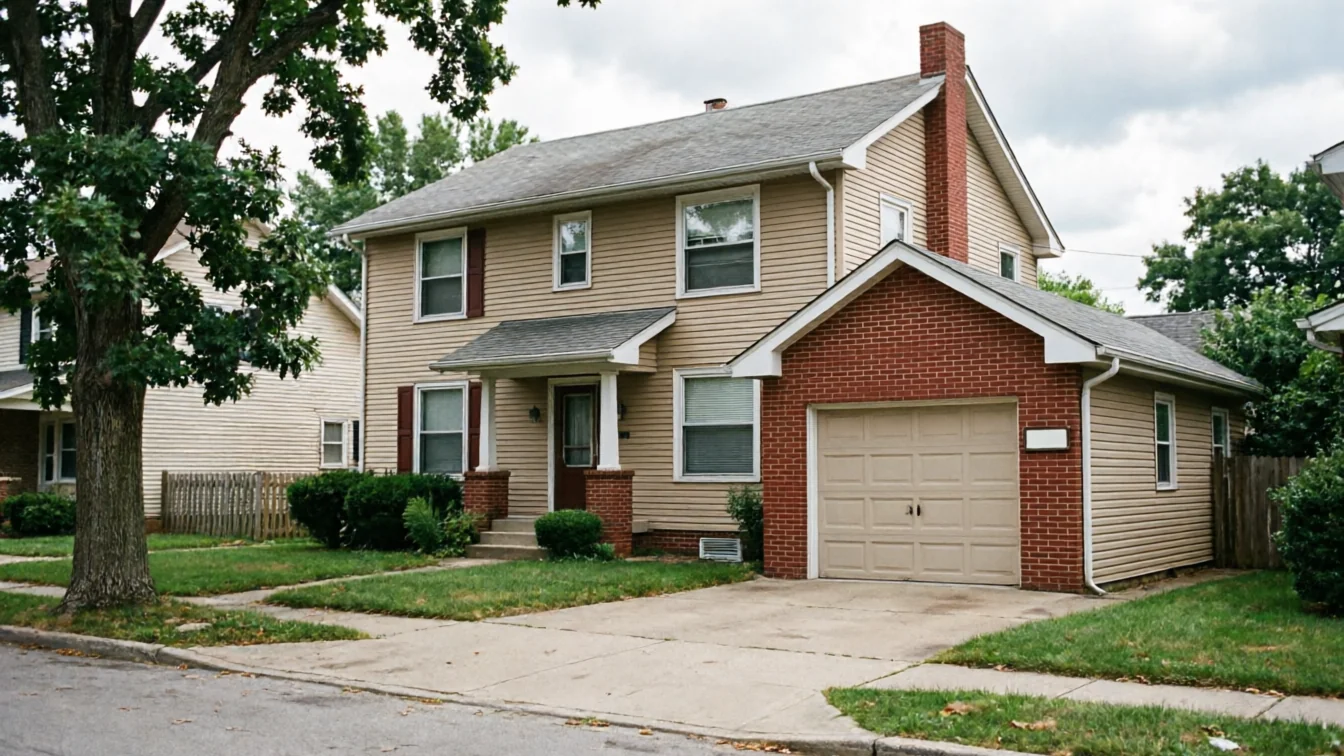
Romeoville's housing stock centers on 1998, which sits toward the newer end of the 1958 to 2004 range across the wider service area. That matters because a door from this era almost always came with a torsion spring sized for roughly 10,000 open-close cycles - fine for ten to twelve years of average use, not for twenty-five. With 13,064 households in Romeoville built in a tight window around that date, a lot of springs are aging out at close to the same time, which is why spring failure here tends to cluster by neighborhood build phase rather than show up one house at a time. Romeoville's median household income, at $100,022, runs a bit below the $109,064 median across the broader area, which is worth mentioning because it shapes a real choice: repair the spring now at a fraction of replacement cost, or let it ride until it snaps and risks the cables, rollers, or the opener's gears on the way down.
The repair
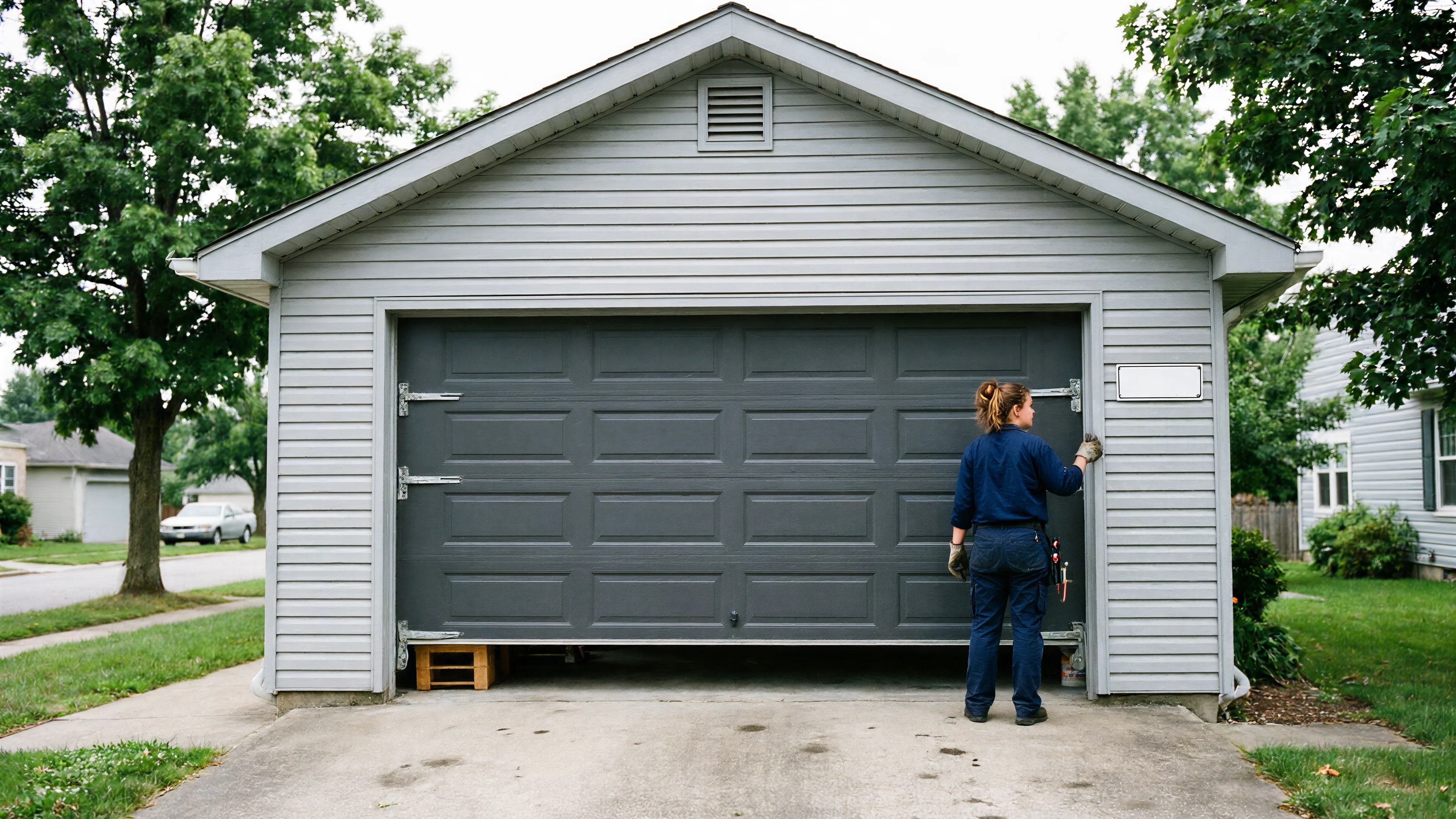
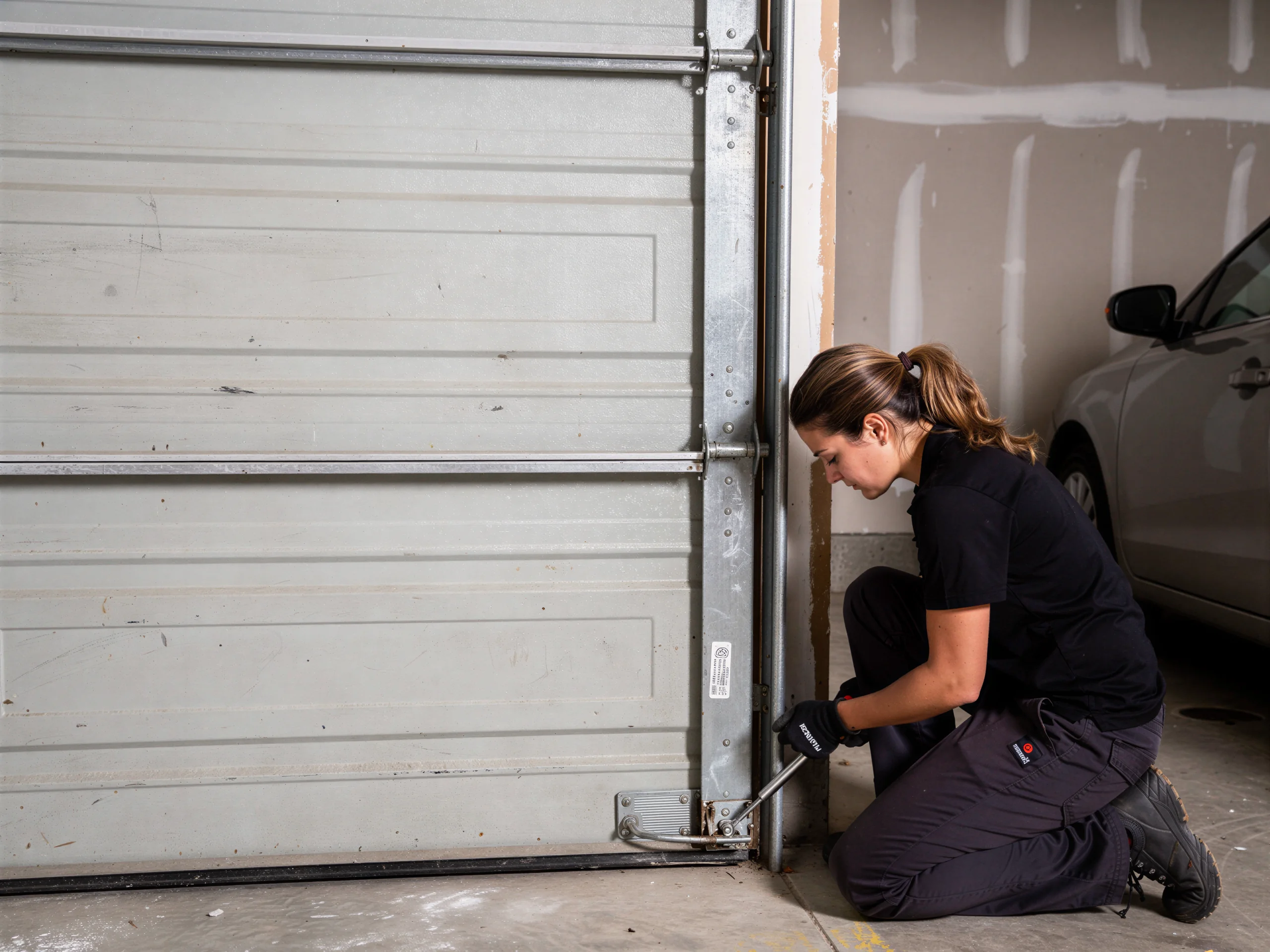
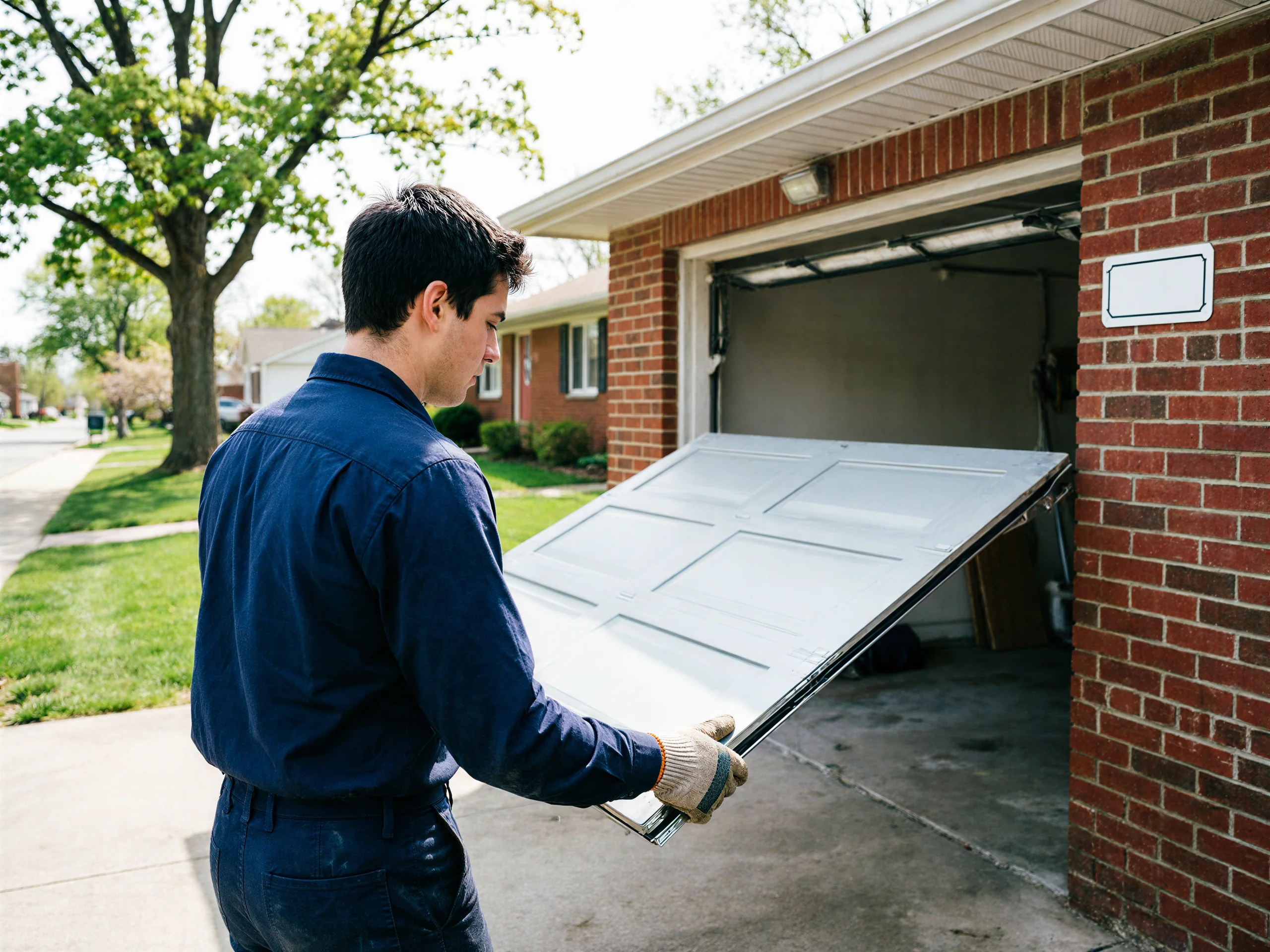
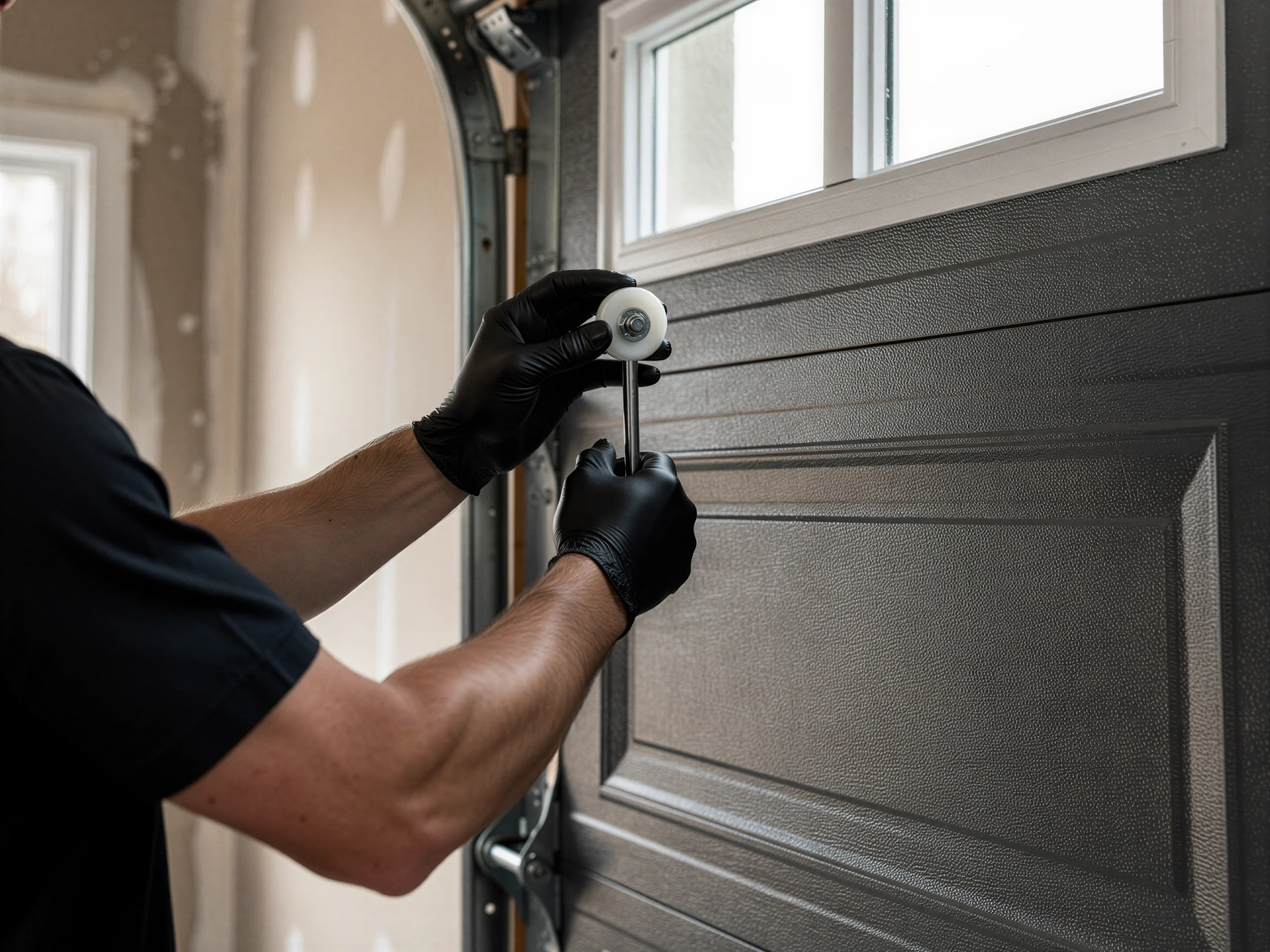
Replacing a torsion spring is a parts-and-labor job, not a parts-only one. The tech measures the shaft, the wind, the door weight, and the drum size, because a spring rated wrong for the door either won't lift it or will slam it.
On the single-family stock common to Romeoville's 1998-era builds, that's usually a straightforward single or double torsion spring swap, done with the door cycled a dozen times afterward to check balance.
A seven-mile run from Plainfield keeps the drive time short enough that the job itself - typically under two hours once the tech is on site - isn't competing with travel.
One honest limit: if the spring has already let the door drop hard enough to bend a track or crack a panel, that's a second repair on top of the spring, and we'll tell you that before starting, not after.
Warning signs
The classic sign is a door that won't stay put - you lift it by hand, it drops, or it only holds halfway. A loud bang from the garage, often mistaken for something falling, is frequently a spring letting go all at once; steel under that much wind doesn't fail quietly when it finally gives. You might also notice the opener straining, grinding, or reversing partway through a cycle - that's the motor trying to do a spring's job and losing. A visible gap in the coil, or one side of the spring looking longer than the other, confirms it without needing to touch anything. None of these are opener problems you fix by replacing the opener; they're spring problems that make the opener work harder until something else in the system gives out too.
On the truck
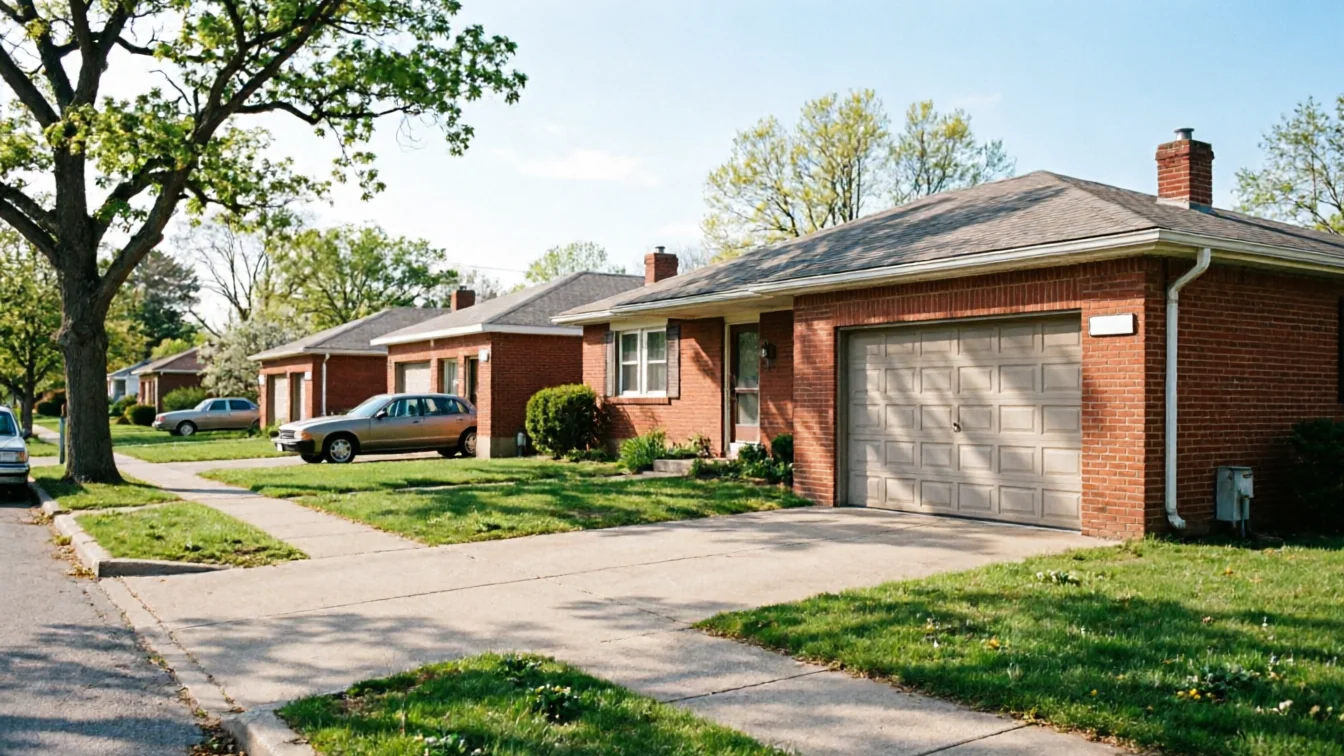
Because Romeoville's housing clusters tightly around a 1998 median build, the torsion spring sizes that fit these doors repeat often enough that keeping a few common wind and wire-size combinations on the truck covers most calls without a special order. Double-door and single-door torsion setups from this build era are the stock-in-trade here, not something that needs tracking down. Where it slows down is anything oversized or custom - a door wider or heavier than standard residential, or hardware that's been swapped out from the original - because that spec isn't something we carry on spec. In that case the job becomes a measure-and-order visit first, repair second.
Questions
Most torsion springs are rated around 10,000 open-close cycles, which works out to roughly ten to twelve years of average household use. Given Romeoville's median build year of 1998, a large share of the original springs here are well past that mark and due for failure or already showing it.
Yes, and it's common. Springs don't always wear at the same rate even when installed together, so one side can snap while the other still holds tension. Running the door on just one working spring strains the shaft and cable on the broken side and usually causes a second failure soon after.
For the standard single and double torsion setups common on Romeoville's 1998-era builds, yes, those sizes are stocked on the truck. Oversized, custom, or non-standard hardware isn't something we carry on spec, so that becomes a measure-first visit.
Explore more
Ready when you are
Plainfield Garage Door Pros repairs and installs garage doors, springs and openers in Plainfield, IL and the surrounding area.