Fast garage door repair in PlainfieldCall (815) 247-0972

Homer Glen, Plainfield

New Garage Doors for Homer Glen's 1988-Era Homes

Homer Glen homes date mostly to 1988, three years newer than our broader service area. New garage door installs here ship from Plainfield, 15 miles away.

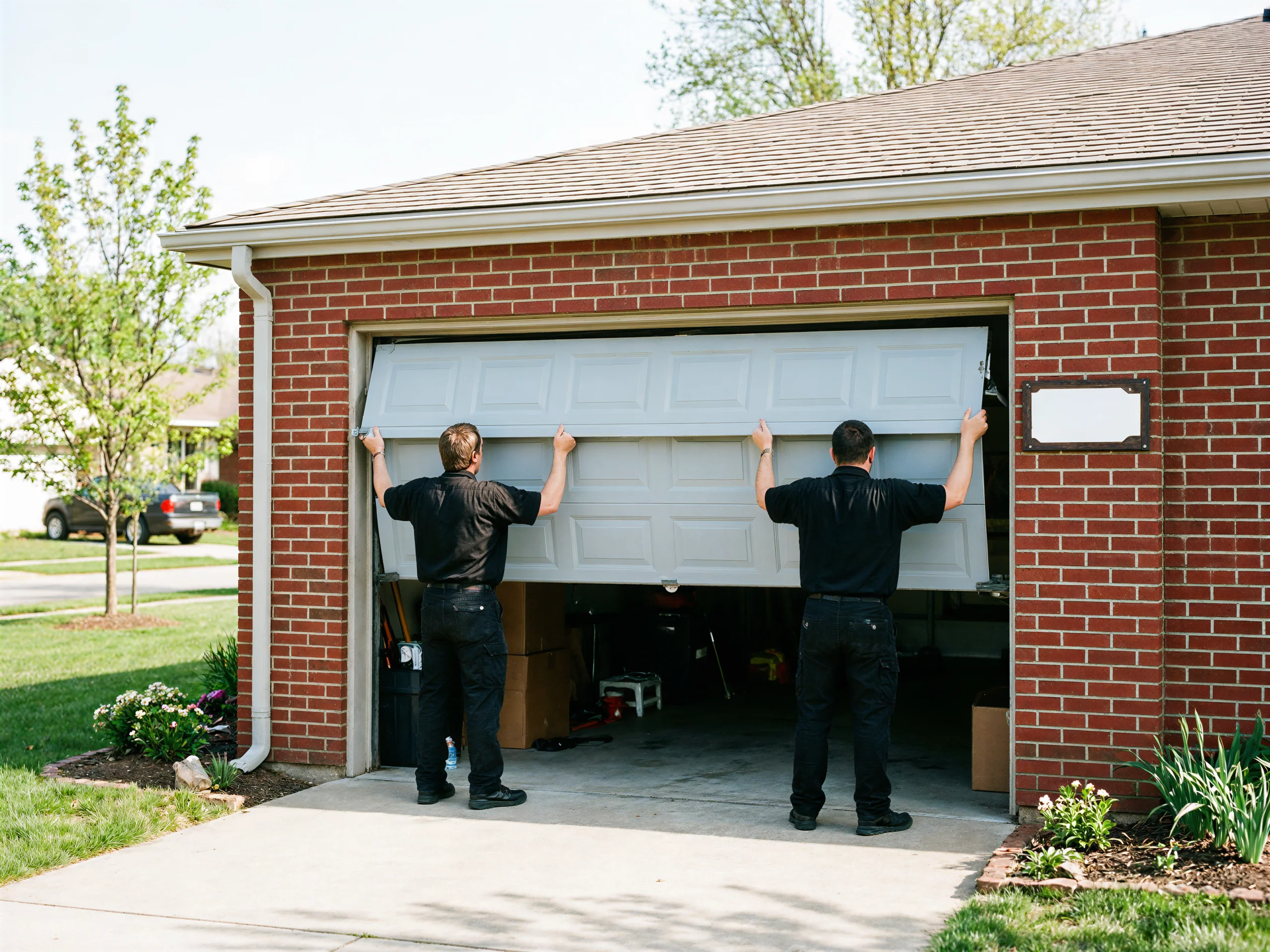
Two technicians are installing a light gray garage door on a brick house.
Serving Plainfield, ILBackground-checked techsHonest, upfront pricingFast local response

Watch-outs

The Complications

Homer Glen's housing runs a touch newer than the rest of our Plainfield service area - median year built here is 1988, against a 1985 median across the broader territory.

Untouched original hardware

That three-year gap doesn't sound like much, but it means a lot of the original torsion springs, track bolts, and openers installed when these houses went up have never been touched. Nobody replaces a spring that hasn't broken yet, and most of these doors have been quietly running on 35-plus-year-old hardware the whole time.

Frame-bolted components

The complication isn't the door panel itself - steel holds up fine. It's everything bolted to the frame around it: the spring cable drums, the hinges, the end bearing plates. On a house built in 1988, those parts were sized for the door and opener technology of that decade, which doesn't always match what's sold today.

Retrofitting track width

Swapping in a new door sometimes means retrofitting the track width or the header clearance to fit modern spring and cable sizing, especially if the original opening wasn't framed to a current standard width. We don't guess at this from the truck. Pulling the old door down to the track lets us see exactly what era of hardware is underneath, and whether the installation is a straight swap or needs the jamb reworked first.

Downtime

How Long You Are Without the Door

We won't promise a number of days here, because it depends on what you order. A standard steel door sized for this era's openings can often go in on one visit.

Manufacturer lead time

A custom width, a specific insulation rating, or a wood-look overlay panel has to come from the manufacturer first, and that lead time is set by them, not us. What we can control is the gap between the old door coming down and the new one going up. On a straight swap - same width, same header height - that's usually a single day's work once the door's on site.

Reframing for track spacing

If the opening needs reframing because the 1988 track spacing doesn't match a current spring size, plan on that taking longer, since it's carpentry and hardware work stacked on top of the install. Because Homer Glen runs about 15 miles out from our Plainfield shop, we book it as a dedicated trip rather than squeezing it between closer jobs.

Full-day install scheduling

That means we schedule the full day for it once the door's in, not a half-hour slot. If you're without a working door in the meantime, say so when you call - we'll talk through whether the opener can be set to manual on the old door until the new one's ready, rather than leaving the bay open.

Booking

Getting It Booked In

Call or send the request through, tell us the rough age of the house and whether anything's already failed - a snapped spring, a dented panel, an opener that won't reverse.

  1. Planned versus emergency swaps

    That tells us whether we're doing a planned replacement or an emergency swap, and we schedule differently for each. We measure the opening before we order anything. Homer Glen's 1988-era builds mostly run a standard width, but a handful of houses in the mix have the wider double-bay openings common in that decade's move-up developments, and those take a different track kit.

  2. Measurement accuracy first

    Getting the measurement right the first time means the door that shows up is the one that fits. Because we're coming from Plainfield, 15 miles over, we batch Homer Glen jobs where we can, but we won't hold your install hostage to someone else's schedule.

  3. Date confirmation steps

    Once the door's confirmed and the measurement's locked, we set a date and show up for it. If you want the broader picture first, the area page covers the territory, and our main install page walks through pricing and process for Plainfield itself.

Warning signs

What You Are Seeing

If your door's from the original 1988 build, here's what tends to show up first. The spring looks fine until it doesn't - torsion springs don't usually warn you, they just let go, and on a door this age that's a matter of when, not if.

Coil stretch and pitting

Look for a stretched gap in the coil or rust pitting along the wire; either one means it's near the end. Track hardware shows its age differently. The rollers on an 80s-built door are usually nylon on a steel stem, and after three and a half decades in a cold-moderate climate with real freeze-thaw swings, the stems pit and the rollers flat-spot, so the door starts to shudder or jump as it travels, especially in the first cold snap of the season.

Pre-photo-eye opener age

The opener is the other tell. A unit from the original install predates modern photo-eye safety reversal as standard, and if yours still has a single button and no auto-reverse test, it's original.

Safety-first replacement flag

That's not a style issue - it's a safety one, and it's the piece we flag hardest when we're out looking at a straight door swap versus a full replacement.

Local causes

Why This Fails Locally

This isn't a problem unique to any one house - it's the math of the build year. Homer Glen's housing stock sits right in the middle of the 1958-2004 window that covers most of our service area, and the hardware installed when a house like this went up was built to a spec from that decade, not today's. Cold-moderate winters put real stress on steel springs and track bolts year after year, and nothing in a 1988 install was designed to be checked or serviced - it was designed to be installed once and left alone.

What makes it fail here specifically is that a lot of Homer Glen's stock went up in the same few years, which means a lot of these doors are hitting the same age ceiling at close to the same time. It's not a coincidence when several calls in the same stretch of streets are all springs or all openers - it's the same decade of hardware reaching the same point in its working life.

We don't replace a door that doesn't need it. If the spring's the only thing gone and the track and opener are sound, that's a spring job, not a new installation. But on a door this age, once one major part fails, the rest usually isn't far behind.

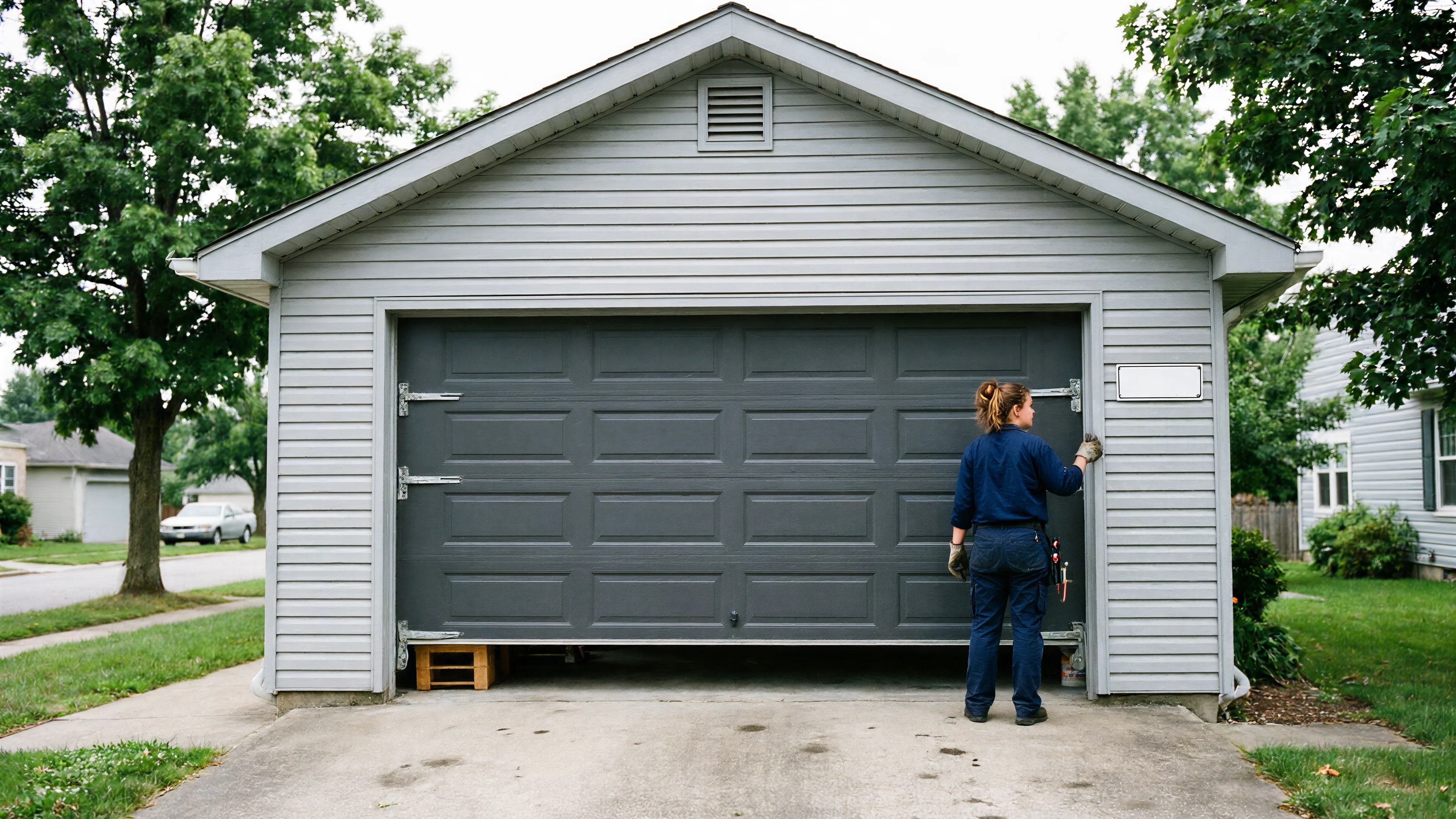
A technician in a blue uniform stands next to a gray garage door.

Questions

Common questions

Is my 1988 garage door original?

Most likely, yes. Homer Glen's median year built is 1988, and homeowners here rarely replace a door until something breaks. If nobody's swapped the spring, opener, or track since the house was built, you're running on original hardware now in its mid-30s.

Do you have a branch in Homer Glen?

No. We're based in Plainfield, about 15 miles out, and we schedule Homer Glen installs as dedicated trips rather than quick add-ons. There's no local depot here, just a crew that comes out for the job.

How long before a new door ships?

Depends what you order. A standard steel door sized for this era's openings is usually quick. A custom width, finish, or insulation spec has to come from the manufacturer, and that lead time is set by them, not us.

Will a new door fit my old opening?

Often, but we measure first. Homer Glen's 1988-era builds mostly run standard widths, though some double-bay openings from that decade's developments need a different track kit. We confirm the measurement before ordering anything.

Explore more

More Services in Homer Glen

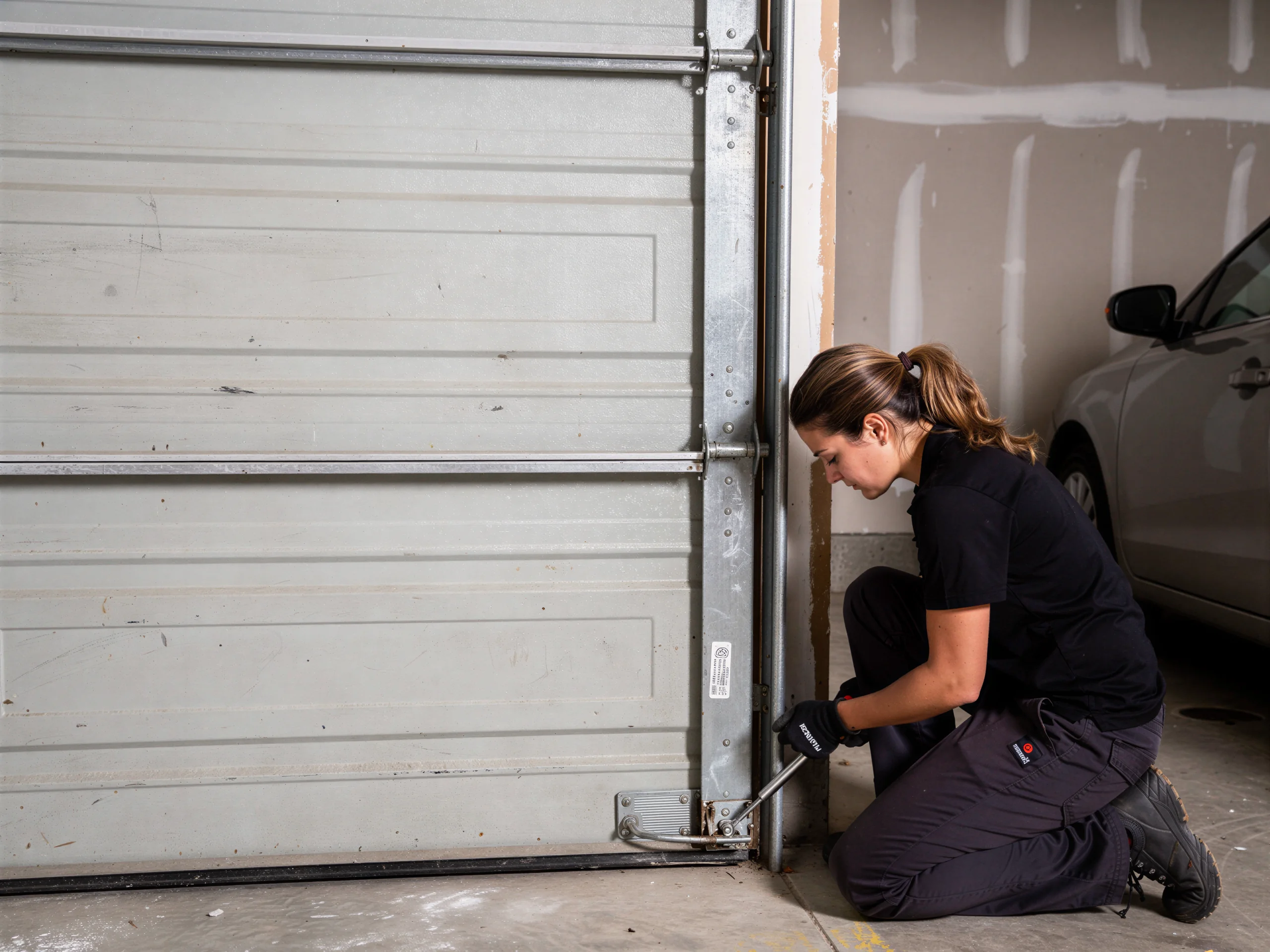
A technician kneels, adjusting the bottom roller of a white garage door.

Garage Door Repair

Homer Glen homes mostly went up in the late 1980s, a tighter window than the rest of the service area. Learn more →
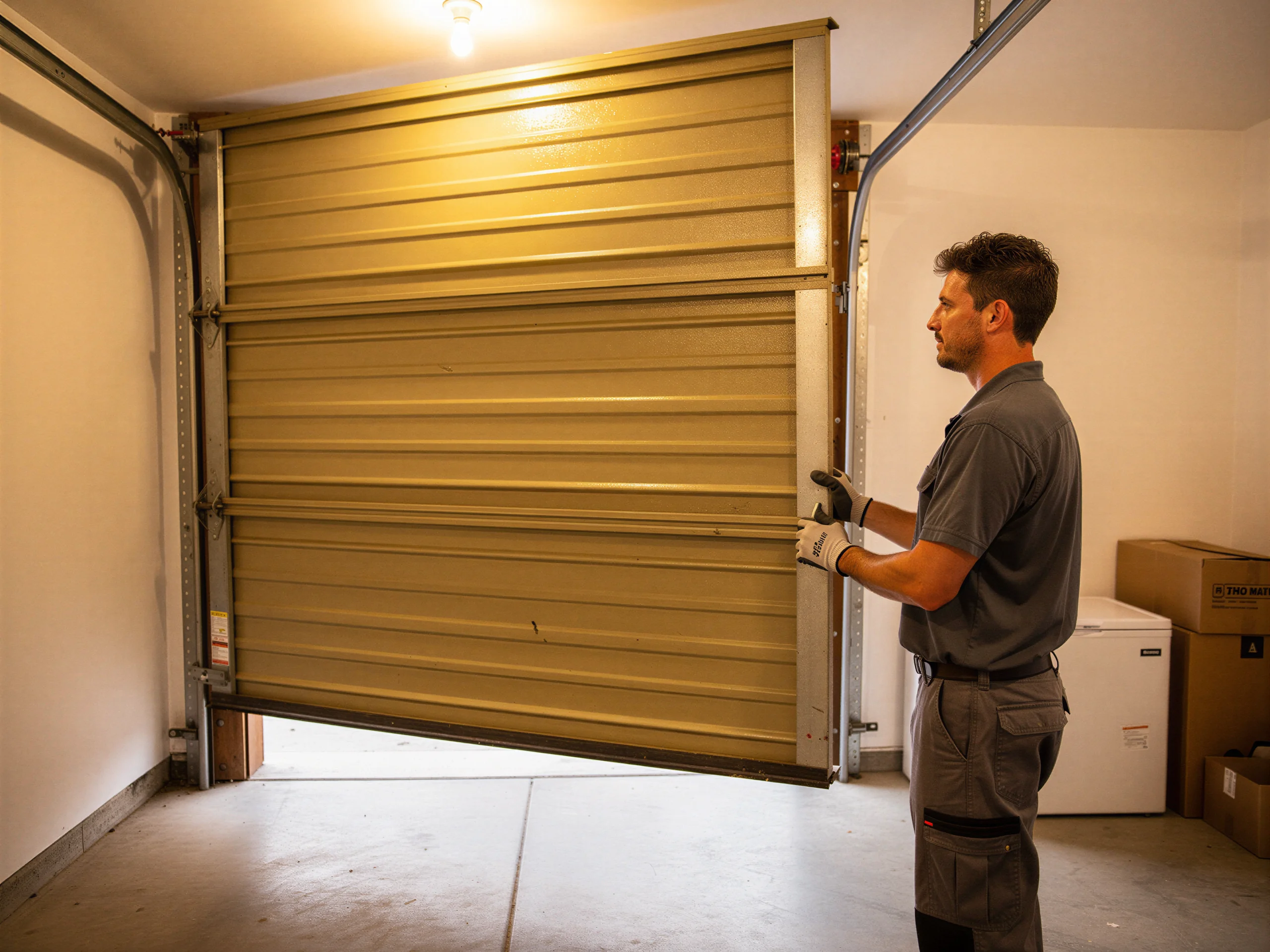
A technician in gloves is working on a partially open tan garage door.

Garage Door Service

Homer Glen homes built mostly in the late 1980s are hitting the age where torsion springs and chain-drive openers fail together. Learn more →
A technician in gloves is working on a partially open tan garage door.

Maintenance

Homer Glen homes date mostly to the late 1980s, and the garage doors show it. Learn more →
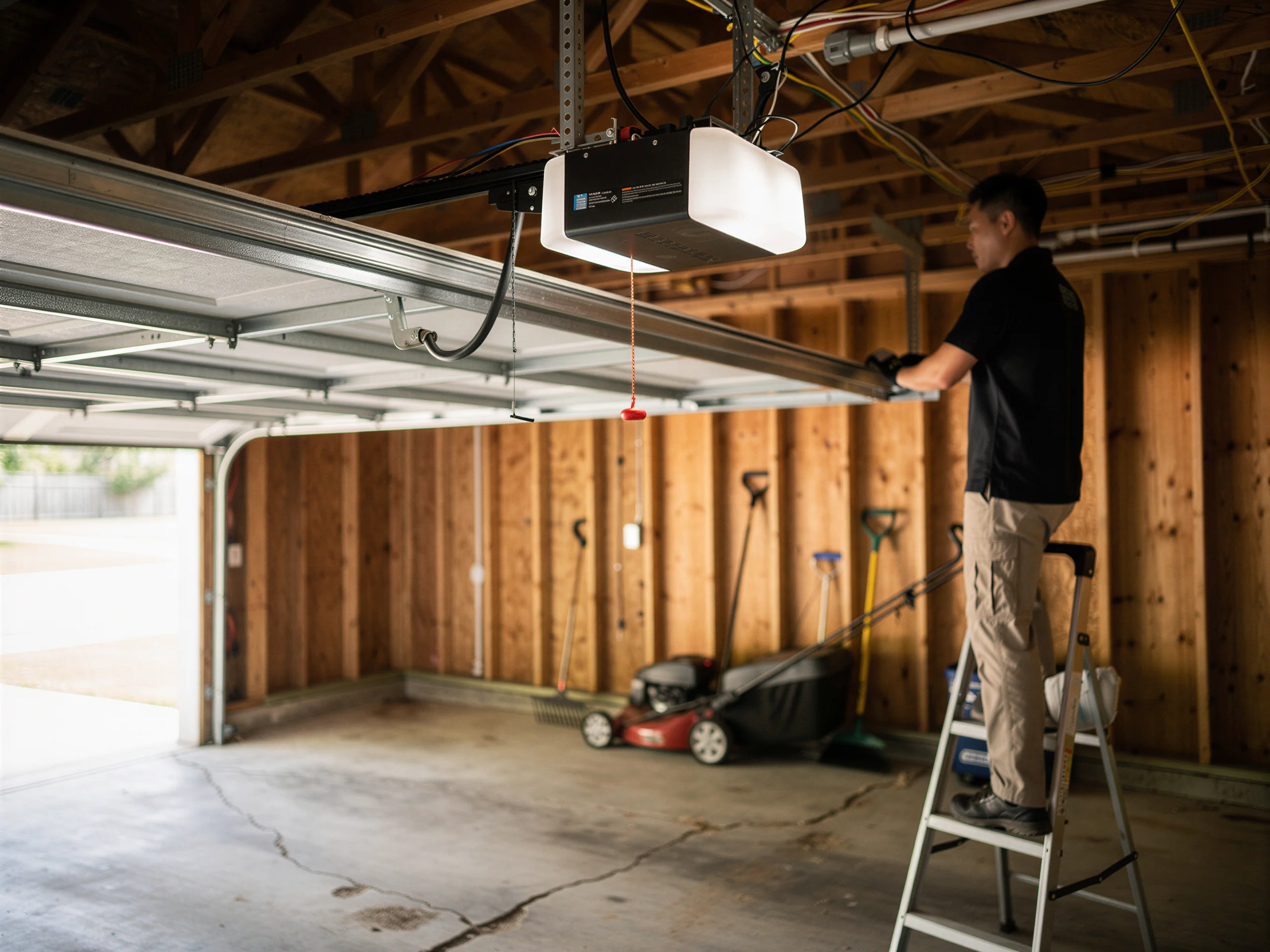
A technician on a ladder works on a garage door opener and track.

Opener Repair

Homer Glen's houses went up mostly in the mid-80s to mid-90s, median 1988, so the openers out there are older chain-drive units nearing the end of their working life. Learn more →
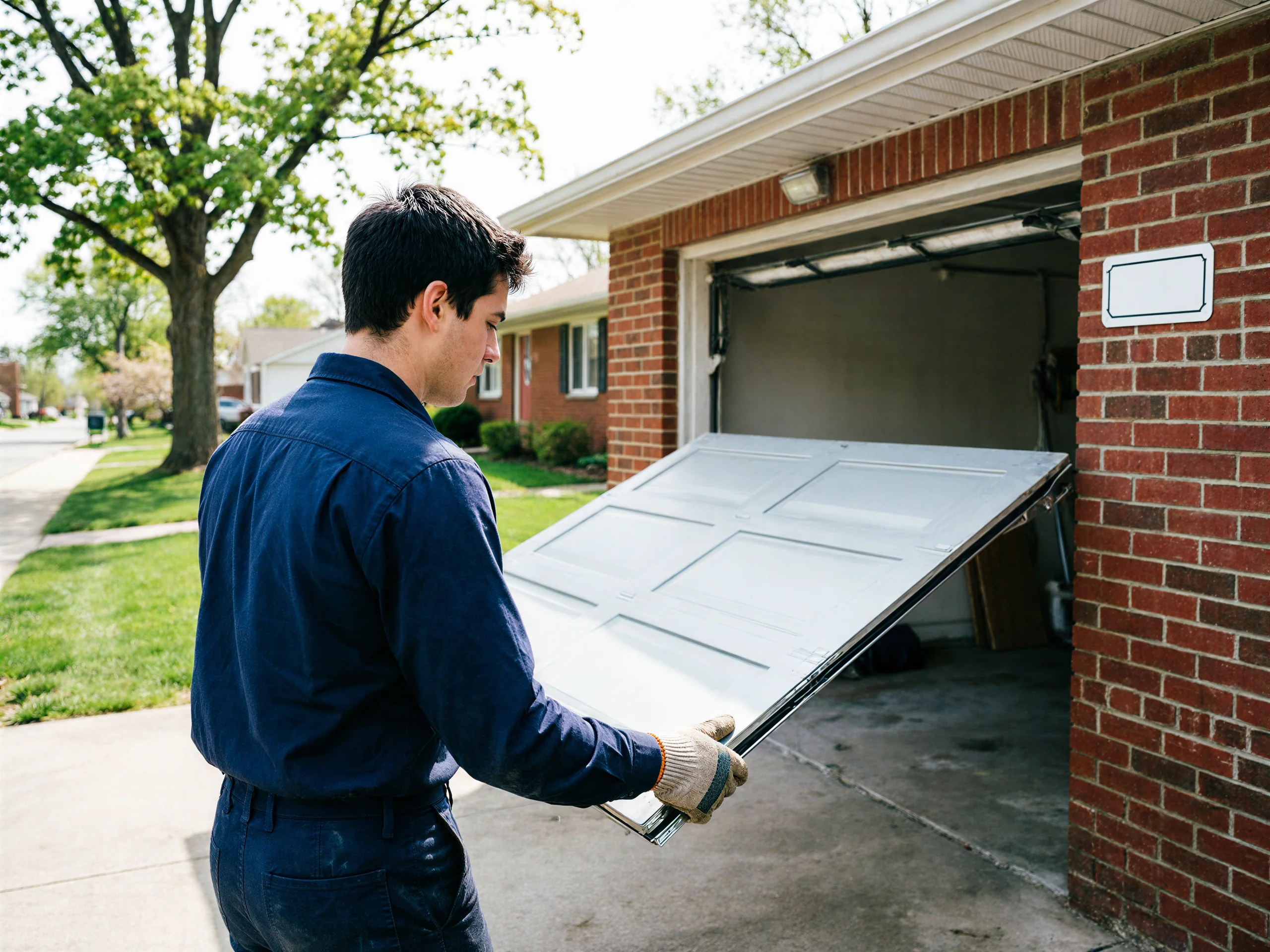
A technician in a blue uniform is carrying a white garage door panel.

Panel Replacement

Panel replacement for Homer Glen homes built mostly in the late 1980s, served from Plainfield 15 miles out. Learn more →
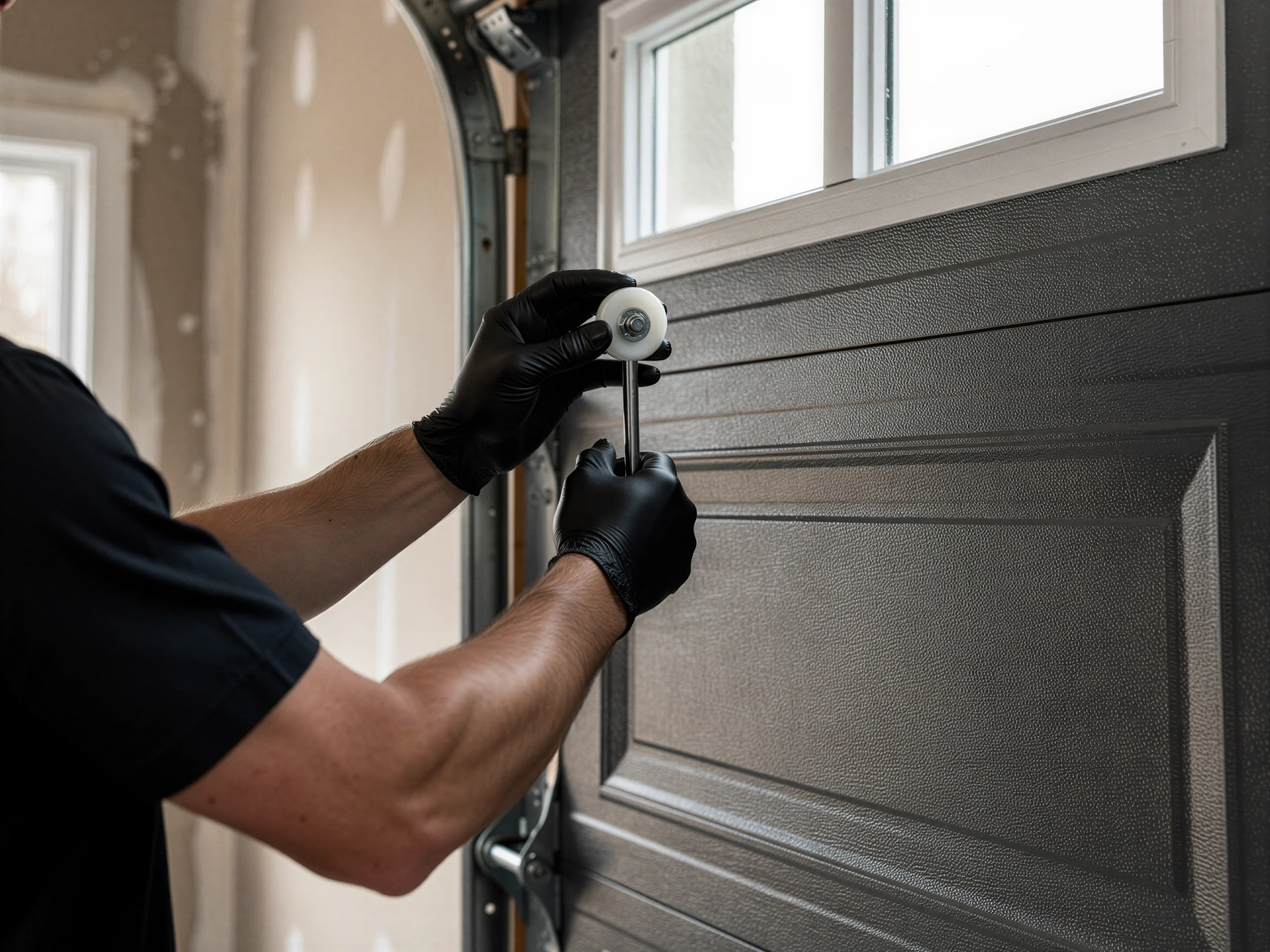
A technician wearing black gloves installs a roller on a dark gray garage door.

Roller Replacement

Homer Glen's 1980s-built doors wear rollers fast in cold Illinois winters. Learn more →
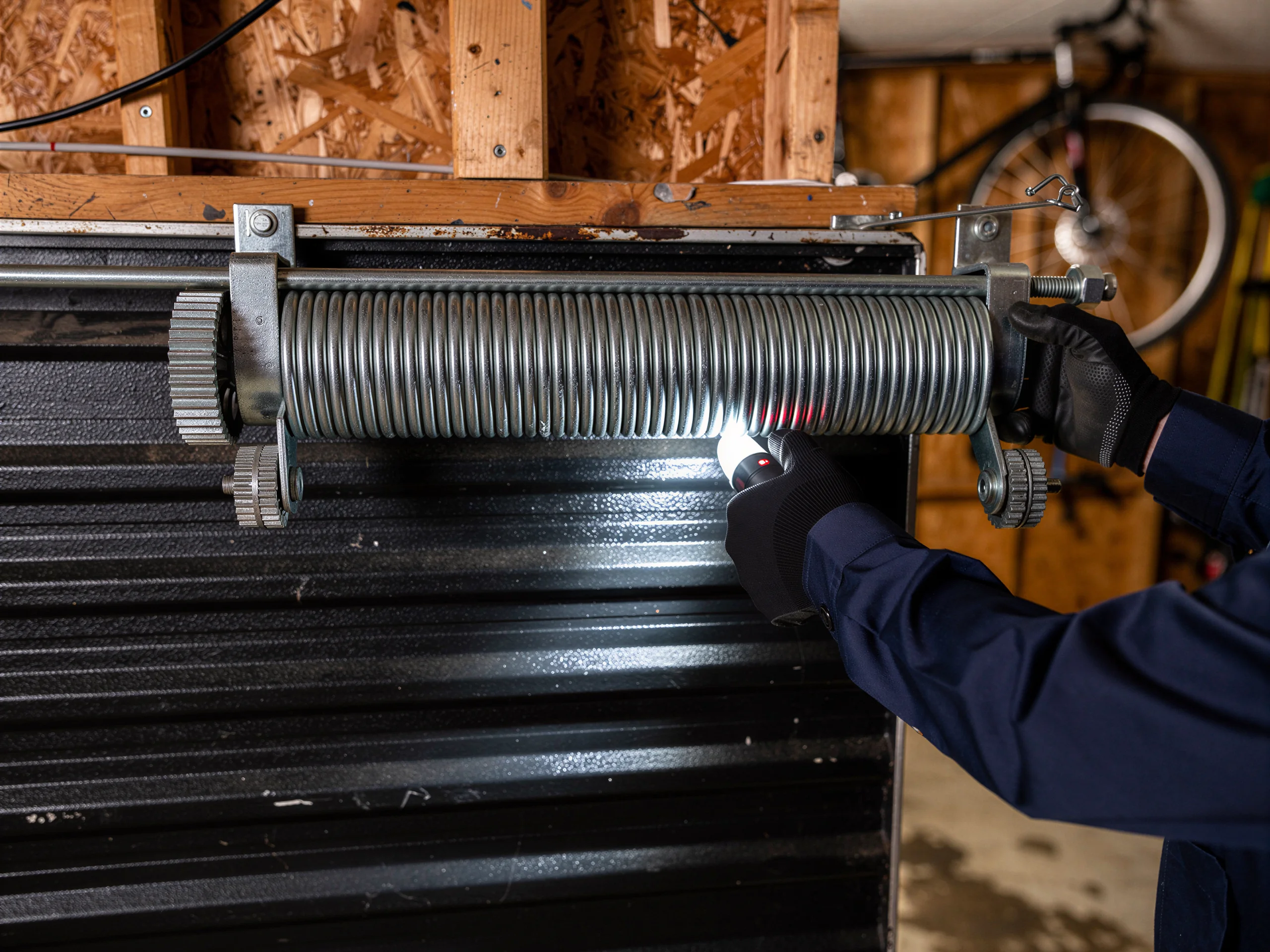
A technician's gloved hands adjust a garage door torsion spring with a flashlight.

Spring Repair

Homer Glen homes average a 1988 build year and a $128,546 median income - numbers that change whether a broken spring gets fixed or the door gets replaced. Learn more →

Ready when you are

Need a garage door sorted in Plainfield?

Plainfield Garage Door Pros repairs and installs garage doors, springs and openers in Plainfield, IL and the surrounding area.

CallGet a quote